
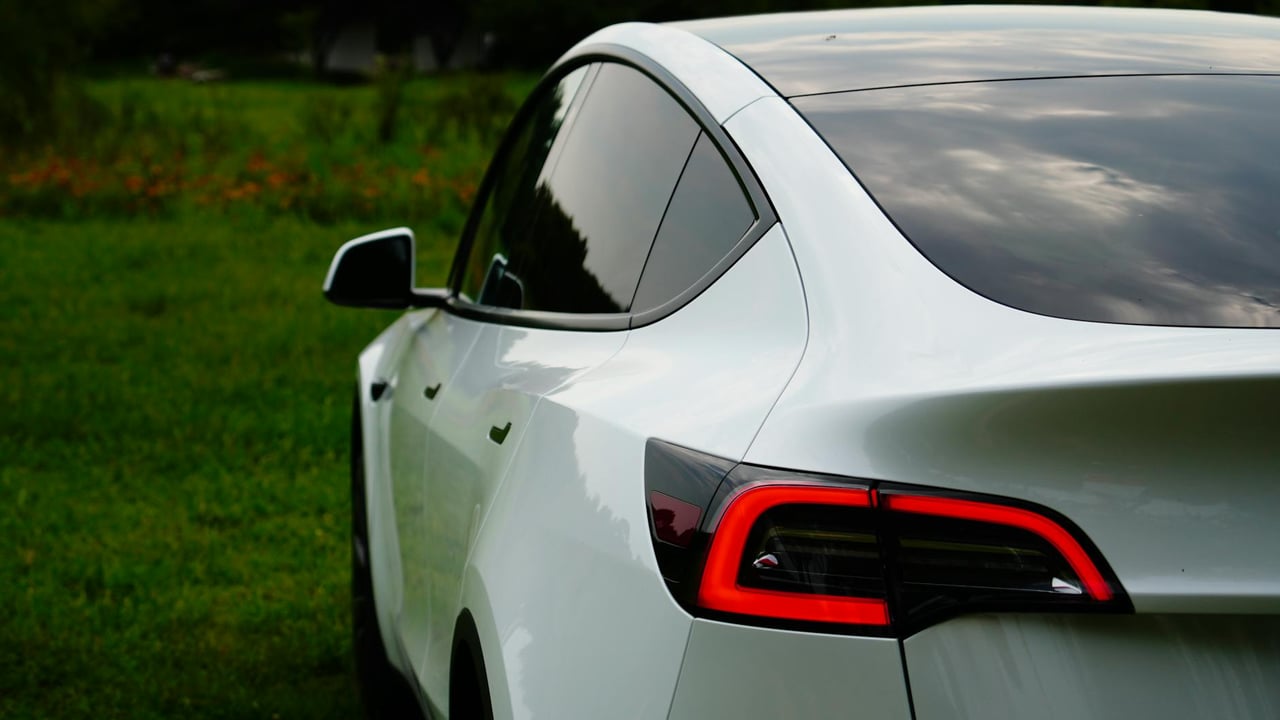

Xiaomi’s foray into the automotive sector has reached a critical juncture. In a high-stakes move to challenge the dominance of the Tesla Model Y, Xiaomi Chairman Lei Jun announced a tactical price reduction for the new YU7 Standard Edition. The revised pricing, set at 233,500 RMB, represents a calculated attempt to seize market share after a humbling performance cycle.
During the official launch event, Lei Jun offered a rare moment of corporate candor, admitting that the YU7 had achieved only 'two wins' against 'eight losses' in monthly sales volume compared to Tesla’s flagship SUV over the last ten months. This admission highlights the formidable brand stickiness Tesla maintains in the Chinese market, even when domestic competitors offer superior paper specifications at lower price points.
To bridge this gap, Xiaomi has positioned the YU7 Standard Edition at 30,000 RMB below the entry-level Model Y. This aggressive pricing comes despite rising costs for memory and hardware components. Lei Jun emphasized that the company is absorbing these costs internally through operational efficiencies rather than passing them on to consumers, reflecting a 'market share first' mentality characteristic of Xiaomi’s historical smartphone strategy.
While the base model fights for the mass market, Xiaomi is also moving upmarket with the debut of the YU7 GT. Priced at 389,900 RMB, this high-performance variant targets tech executives and driving enthusiasts. The GT model signals Xiaomi's intent to compete in the luxury segment, aiming to replicate the prestige of European grand tourers with an electric, tech-heavy twist.
Operations remain a double-edged sword for the tech giant. While total deliveries for the first four months of 2026 exceeded 110,000 units, production bottlenecks continue to plague the company. The YU7 GT, in particular, faces a slow manufacturing ramp-up with a projected monthly capacity of only 2,400 units. To address these systemic hurdles, Xiaomi has recruited Song Gang, a former Vice President of production at Tesla’s Shanghai Gigafactory, to lead its manufacturing and strategic planning.
Looking ahead, Xiaomi’s ambitions show no sign of cooling. With 200 billion RMB earmarked for R&D over the next five years, the company is reportedly preparing a second brand and investigating extended-range electric vehicles (EREVs). This massive capital deployment suggests that Xiaomi views its current automotive struggles not as a failure, but as an expensive yet necessary education in a market that rewards persistence over pedigree.