
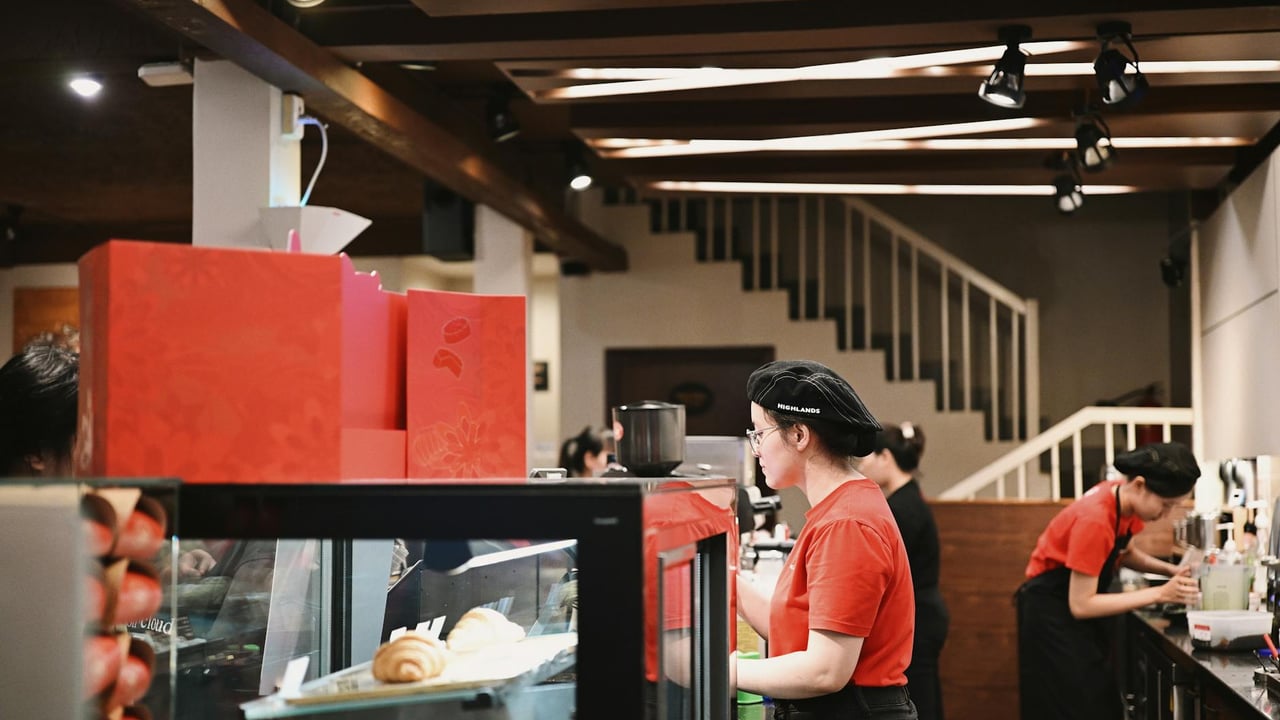

For years, the battle for China’s caffeine-addicted consumers was fought on the street corners of high-end shopping districts. From the minimalist chic of HeyTea to the relentless expansion of Luckin Coffee, the industry was defined by 'the cup'—freshly brewed, hand-shaken, and delivered via a sprawling network of physical storefronts. However, as the summer of 2026 approaches, the front line has moved from the counter to the refrigerator shelf.
This strategic pivot from freshly made drinks to ready-to-drink (RTD) bottled products marks a fundamental shift in the industry's lifecycle. After years of breakneck expansion, the freshly-made beverage sector has hit a structural ceiling. Data from 2025 reveals a sobering milestone: for the first time in the industry's history, more tea and coffee shops closed than opened, with a net reduction of nearly 40,000 outlets across the country.
Luckin Coffee has emerged as the primary provocateur in this new 'shelf war.' By launching its 'Ready-to-Enjoy' bottled line at a 6-7 RMB price point, Luckin is leveraging its massive brand equity to squeeze both premium players like Starbucks and low-end incumbents like Nongfu Spring. Initial results suggest the gamble is paying off, with the brand moving over a million bottles within its first 24 hours of online availability.
The economics of the 'bottle' are far more attractive than the 'cup.' While a 15 RMB hand-crafted tea might yield a net profit margin of barely 5% after accounting for labor, rent, and delivery fees, a 6 RMB bottled drink can command margins exceeding 30%. By moving into the RTD space, these brands are attempting to escape the 'delivery trap' where third-party platforms and high operational overheads cannibalize the bottom line.
However, the transition from a service-oriented catering model to a fast-moving consumer goods (FMCG) model is fraught with peril. Established giants like Nestle and Master Kong have spent decades perfecting the 'last mile' of distribution to convenience stores and rural kiosks. For tea-shop darlings, the challenge is no longer about perfecting a recipe, but about managing complex distributor networks and securing prime placement in crowded supermarket coolers.