
# Retail Strategy
Latest news and articles about Retail Strategy
Total: 22 articles found

Growth at Any Cost: Behind the Executive Shakeup at Walmart’s Crown Jewel in China
Walmart China has undergone a major leadership shakeup at Sam’s Club following regulatory scrutiny and a strategic shift toward rapid, tech-driven expansion. The departure of key procurement officials and the elevation of platform-retail veterans signal a move to prioritize scale and e-commerce over the brand's traditional boutique image.
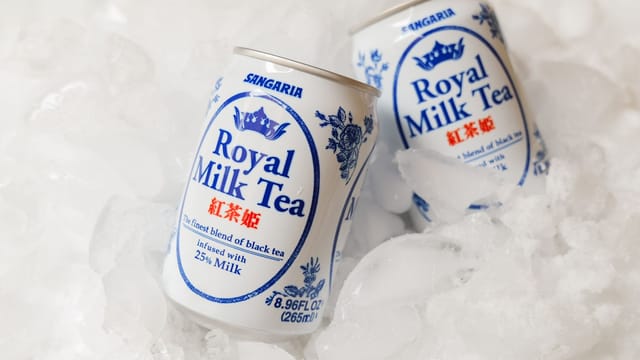
A Bitter Brew: The Precipitous Fall of Nayuki’s Tea and the Death of the Premium 'Third Space' Dream
Nayuki’s Tea has seen its stock price collapse by over 95% as its high-end 'Third Space' business model fails to adapt to China's price-sensitive and delivery-heavy market. Despite store optimizations and narrowing losses, the brand's late entry into franchising and weak supply chain continue to drag down performance.

The Great Convergence: Luckin and Mixue Blur the Lines in China’s Beverage Wars
China's leading beverage brands are abandoning product specialization to become 'all-day' drink providers, with Luckin Coffee's tea sales hitting 20 billion RMB while tea giants like Mixue invest heavily in coffee infrastructure. This strategic convergence is a response to market saturation and falling same-store sales growth across the industry.

Inheritance or Insurrection: Kelly Zong’s High-Stakes Gamble to Rebuild the Wahaha Empire
Kelly Zong, heiress to the Wahaha beverage empire, is attempting a 'strategic inversion' by prioritizing her personal Hongsheng Group over her father’s legacy brand. This aggressive restructuring has led to internal purges, a fallout with traditional distributors, and the launch of new products that struggle to match the market dominance of her father's era.

Tailoring a New Future: The Strategic Pivot of China’s Youngor Group
Youngor Group is shifting its core strategy from financial speculation to industrial brand building under new leadership. By divesting from volatile stocks and acquiring global fashion labels and retail channels, the company aims to transform into a modern, multi-brand apparel powerhouse.

The Tipsy Pivot: Why China’s Tea and Alcohol Giants are Swapping Playbooks
China's beverage industry is undergoing a structural shift as saturated tea brands and aging Baijiu distillers converge on the 'slight intoxication' market. Faced with slowing growth and demographic shifts, companies are blurring product lines to capture Gen Z consumers through lifestyle-driven, low-alcohol experiences.
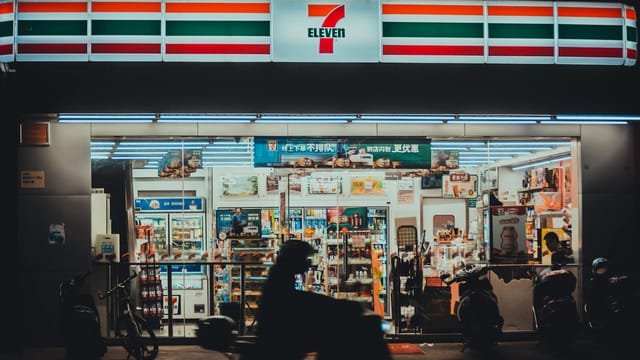
The Retail Resilience Manual: What Japan’s 'Lost Decades' Can Teach a Cooling Chinese Market
As China faces economic headwinds and consumption cooling, the management philosophy of 7-Eleven Japan provides a roadmap for growth during stagnation. By focusing on value over price, hyper-local density, and rigorous item-level management, the convenience store giant proved that corporate success is possible even during a 'lost decade.'

The Retail Alchemist: How Samuel Yin Outmaneuvered Global Giants and Bequeathed a Fortune to Science
Samuel Yin, the founder of RT-Mart who successfully outcompeted global retail giants in China and strategically sold his empire to Alibaba at its peak, has died at 76. His career was defined by academic excellence, engineering innovation, and a massive philanthropic commitment to donating 95% of his wealth.

The Bitter Aftertaste of Blitzscaling: Chagee’s ‘Oriental Starbucks’ Dream Hits a Wall of Franchisee Despair
Chagee, the Nasdaq-listed leader of China’s new tea movement, is facing a systemic crisis as net profits have halved and its massive franchisee network enters a period of severe financial distress. Despite a rapid global expansion to over 7,000 stores, the brand's premium positioning is failing to withstand a brutal domestic price war and a cooling consumer market.

From Cups to Caps: China’s Beverage Kings Pivot to the Supermarket Aisle
China's leading beverage brands are shifting focus from physical storefronts to the ready-to-drink (RTD) bottled market to combat saturation and rising costs. This transition reflects an industry move toward high-margin efficiency as the era of 'growth by store expansion' comes to a definitive end.

Beyond the Livestream: East Buy Pivots to Brick-and-Mortar to Hedge Against the Influencer Trap
East Buy has opened its first physical flagship store in Beijing, marking a strategic shift away from its reliance on superstar livestreamers toward a product-focused, multichannel retail model. The move follows significant leadership and talent reshuffling, signaling a 'de-anchoring' strategy aimed at long-term brand stability.

Roborock’s $675 Million Gamble: Trading Margins for a Global Moat
Roborock is sacrificing short-term profitability to secure a long-term global retail footprint, spending 4.9 billion RMB on marketing in a single year. While 2025 profits dipped significantly, a strong Q1 2026 performance suggests the strategy of securing major Western retail channels is beginning to pay off despite internal culture shifts.