
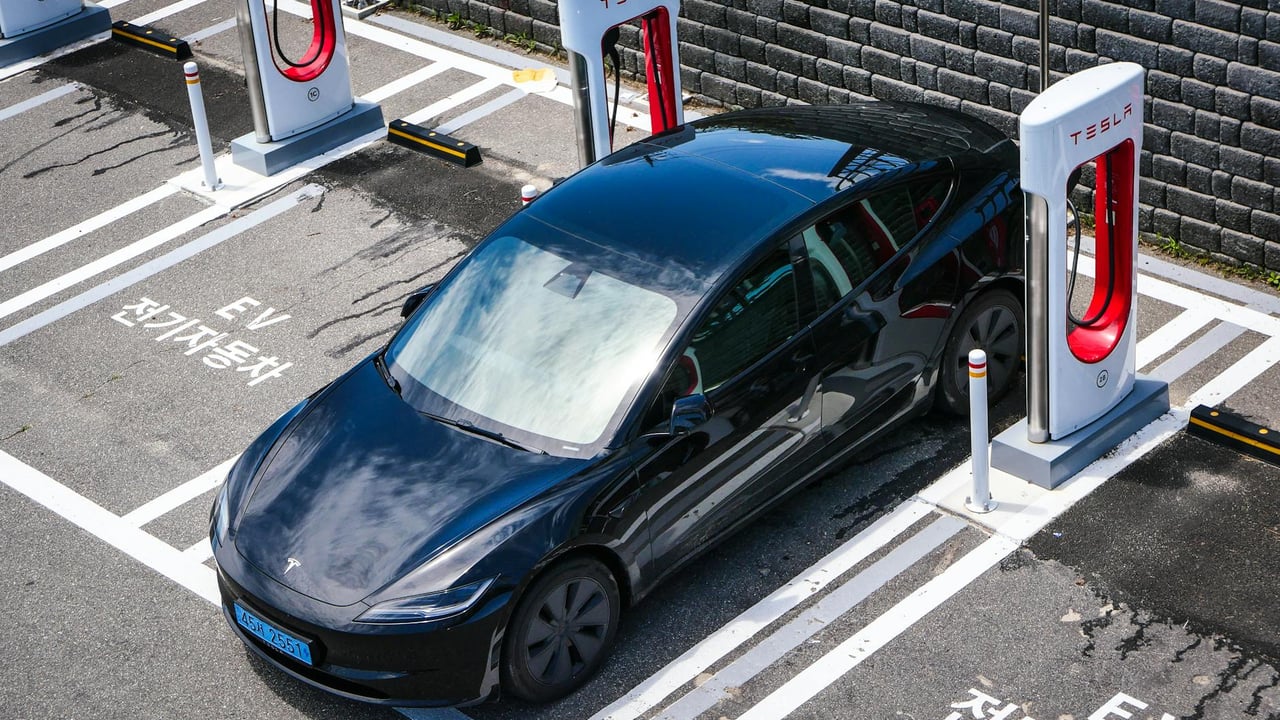

At the 2026 Xiaomi 'Human-Car-Home' ecosystem conference, Lei Jun, the billionaire founder of Xiaomi, delivered a rare dose of corporate humility. Reviewing the 10-month sales duel between the Xiaomi YU7 and its primary target, the Tesla Model Y, Lei admitted a lopsided defeat. With a scorecard of 'eight losses and two wins,' Xiaomi has faced the reality that dethroning the global EV benchmark is a marathon, not a sprint.
The sales figures are telling. From July 2025 to April 2026, the YU7 moved 232,000 units, while the Tesla Model Y maintained its dominance with 358,000 deliveries. Lei Jun candidly identified a strategic blunder: the decision to initially eliminate the standard, entry-level version of the YU7. Noting that 70% of Model Y buyers opt for the base trim, Xiaomi has now re-introduced its own standard version at 233,500 RMB—roughly 30,000 RMB cheaper than Tesla’s equivalent.
This shift reflects a broader maturation of Xiaomi’s automotive strategy. The aggressive 'Tesla killer' rhetoric that dominated the brand's 2021 entry into the market has been replaced by a posture of pragmatic learning. Lei acknowledged that while fans expect disruption, Tesla remains the global gold standard. Xiaomi’s new goal is not immediate conquest but a year-by-year narrowing of the gap through disciplined product iterations and price-to-performance advantages.
Beyond the automotive sector, Lei Jun issued a stark warning to the consumer electronics market. Driven by supply chain volatility and soaring component costs, memory chip prices have spiked several times over the past year. This pressure is now cascading from smartphones to laptops and televisions, threatening the thin margins that have long defined Xiaomi’s hardware business.
Lei predicts that memory costs will continue to climb for the next two years, signaling the end of the recent era of affordable hardware upgrades. His advice to consumers was uncharacteristically direct: buy now. As the cost of manufacturing rises, the next generation of smartphones will inevitably carry higher price tags, marking a challenging period for a brand built on the promise of 'innovation for everyone' at accessible prices.