
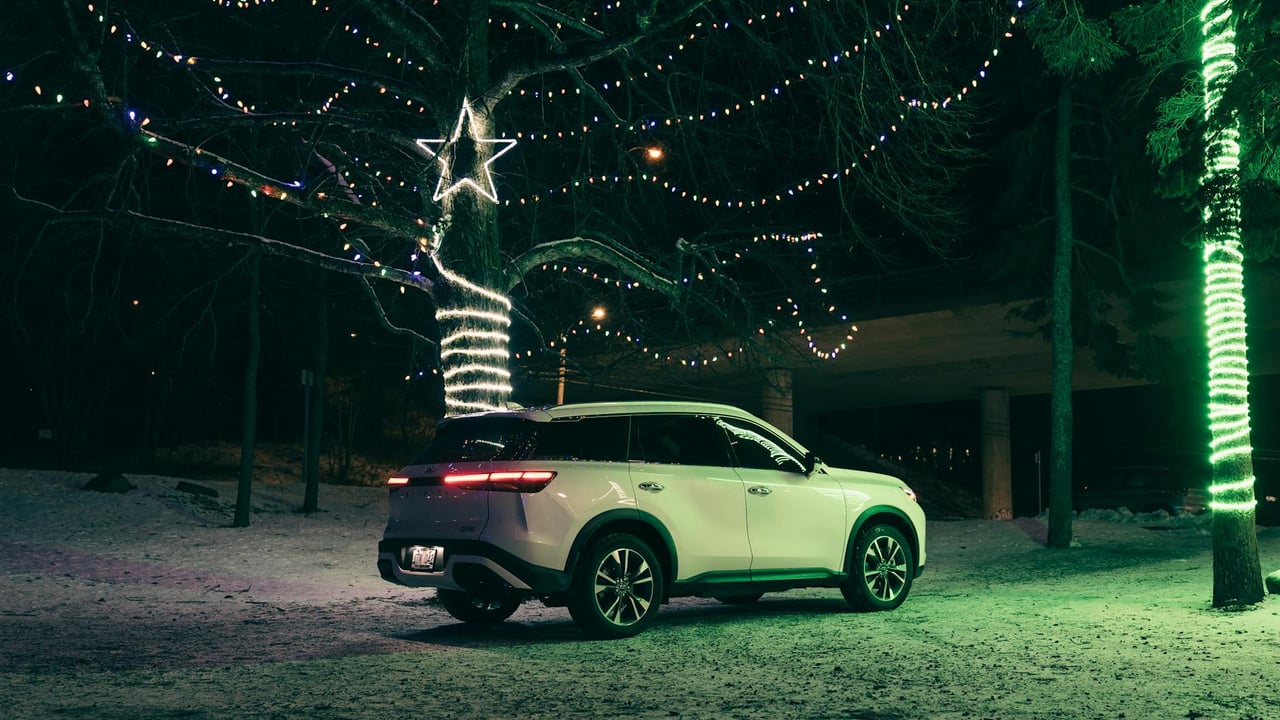

XPeng, the Chinese electric vehicle manufacturer often hailed as the protégé of Tesla’s software-centric approach, is attempting a difficult balancing act. Following a year where its volume was sustained by the budget-friendly MONA M03—a vehicle priced under $17,000—the company has officially launched the GX, a large three-row SUV aimed squarely at the lucrative 300,000 RMB ($42,000) segment. The launch represents more than just a new product; it is a strategic effort to rescue a brand identity that was beginning to skew toward the mass market at the expense of its 'premium tech' prestige.
During a marathon launch event in Beijing, CEO He Xiaopeng unveiled the GX with an aggressive pricing strategy that caught the industry off guard. Starting at 279,800 RMB, the entry price is a staggering 120,000 RMB lower than the initial pre-sale guidance. This 'price-to-performance' play is a calculated gamble to lure families away from dominant rivals like Li Auto and Huawei’s AITO. The market reacted with immediate optimism, sending XPeng’s US-listed shares climbing as the company reported over 24,000 firm orders within the first 12 hours.
To justify its premium aspirations, XPeng is leaning heavily on its technical moat rather than the 'fridge and sofa' luxury tropes of its competitors. The GX is marketed as the industry’s first mass-produced vehicle utilizing 'Robotaxi-grade' technology, featuring a second-generation Visual-Language-Action (VLA) model. Unlike traditional driver-assistance systems that merely track lines and obstacles, the VLA model attempts to understand complex traffic scenarios and generate driving actions autonomously, a move XPeng hopes will redefine its status as China’s leading AI-car company.
However, the path to the top is cluttered with obstacles. The GX enters an oversaturated market where nearly 40 new large SUV models are expected to debut by 2026. While XPeng has successfully used the GX to showcase high-end hardware like 800V platforms and steer-by-wire systems, it must now navigate the 'premium paradox.' Having relied on 100,000 RMB models to bolster 2025 delivery numbers, the brand must convince wealthy buyers that its high-tech flagship is a status symbol worth twice the price of its entry-level stablemates.
Profitability also remains a looming concern. With rising costs for lithium and semiconductors, the margins on a tech-heavy vehicle like the GX are razor-thin. XPeng executives admit that only one configuration of the GX currently meets internal profit targets, suggesting that the company is sacrificing short-term gains for market share. If the GX fails to maintain its early momentum, XPeng risks being permanently categorized as a high-volume, low-margin player, making the success of this SUV a matter of corporate survival.