Semantic Submission: Tesla Renames FSD for its High-Stakes China Launch

Tesla has officially rebranded its "Full Self-Driving" software to "Tesla Assisted Driving" in China to comply with local L2 autonomous driving regulations. The price remains unchanged at 64,000 yuan as the company prepares for a nationwide rollout following major data compliance breakthroughs.

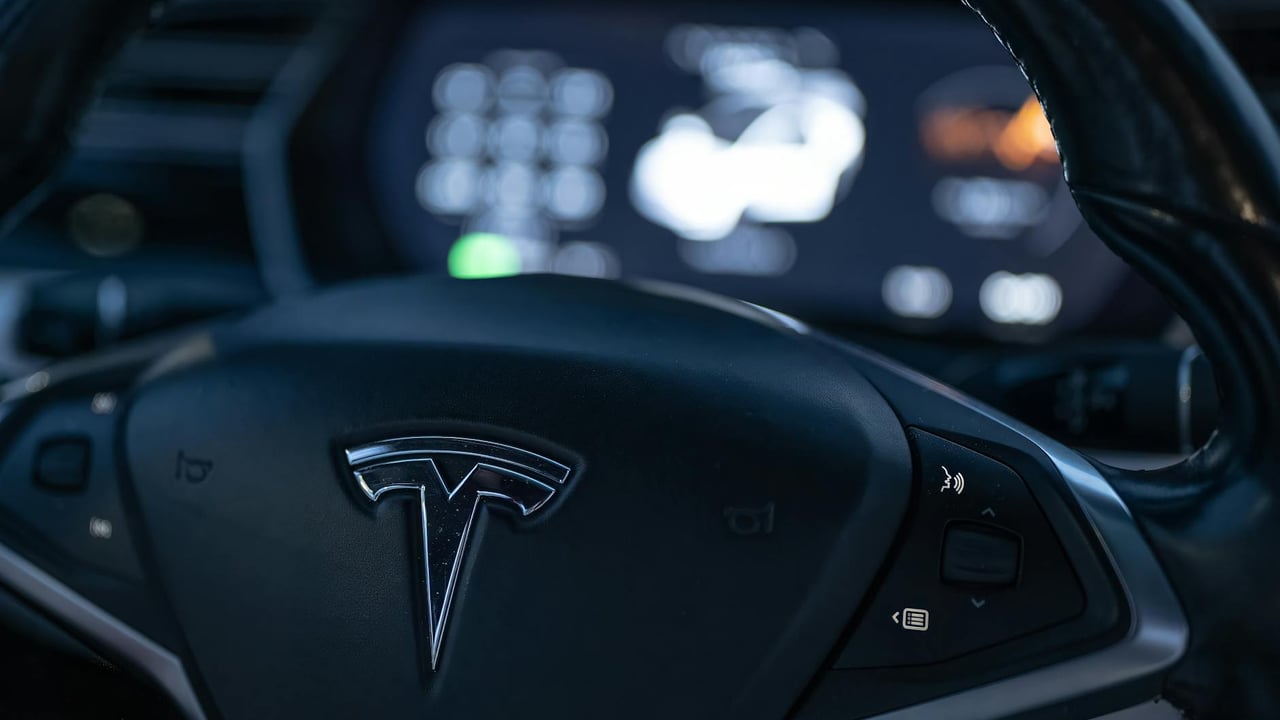
Detailed view of a Tesla steering wheel with dashboard display in focus, showcasing modern car interior design.

Key Takeaways

  • 1Tesla China has removed 'FSD' and 'Autonomous' branding to comply with L2 vehicle regulations.
  • 2The software price remains steady at 64,000 RMB despite the name change.
  • 3The move follows a period of regulatory scrutiny regarding driver supervision and marketing transparency.
  • 4Tesla is currently recruiting smart-driving test technicians in nine major Chinese cities including Beijing and Shenzhen.
  • 5Domestic competitors like Huawei and Xpeng face a new 'catfish effect' as Tesla’s advanced software enters the local market.

Editor's
Desk

Strategic Analysis

Tesla's decision to rename FSD is a masterclass in regulatory pragmatism. In the West, the 'Full Self-Driving' brand is a core part of the Tesla mythos, but in China's hyper-competitive and strictly regulated EV market, clarity is the price of entry. This rebranding suggests that the 'Supervised' nature of the system is the compromise Tesla must make to gain full access to Chinese roads. By bowing to local naming conventions, Tesla avoids the 'misleading marketing' traps that have previously snagged domestic carmakers. The real test now lies in whether Tesla’s vision-only system can outperform the LiDAR-heavy solutions of Huawei and Xpeng on China's complex, dense urban grids.

China Daily Brief Editorial
Strategic Insight
China Daily Brief

Elon Musk’s long-standing ambition to bring "Full Self-Driving" (FSD) to the streets of Beijing and Shanghai has hit a pragmatic wall of nomenclature. Tesla China has officially rebranded the software as "Tesla Assisted Driving," scrubbing all references to "autonomous" or "self-driving" from its digital storefronts and marketing materials.

The shift is a direct response to Chinese regulations that classify current consumer systems strictly under Level 2 (L2) assistance. By abandoning the evocative "Full Self-Driving" moniker, Tesla aims to mitigate legal risks and prevent consumer misconceptions that the vehicle can operate without constant human supervision.

Despite the semantic downgrade, the price of the package remains fixed at 64,000 yuan (approximately $8,800). The underlying technology, specifically the "Supervised" version of FSD, is reportedly undergoing rigorous testing across nine major Chinese cities, signaling that a full commercial launch is imminent after years of anticipation.

This strategic pivot comes as Chinese domestic rivals, such as Huawei and Xpeng, aggressively market their own sophisticated smart-driving suites. By aligning with local naming standards, Tesla is clearing the final bureaucratic hurdles to compete on even ground in a market where software-driven features have become the primary differentiator for electric vehicles.

Share Article

Related Articles

📰
No related articles found