
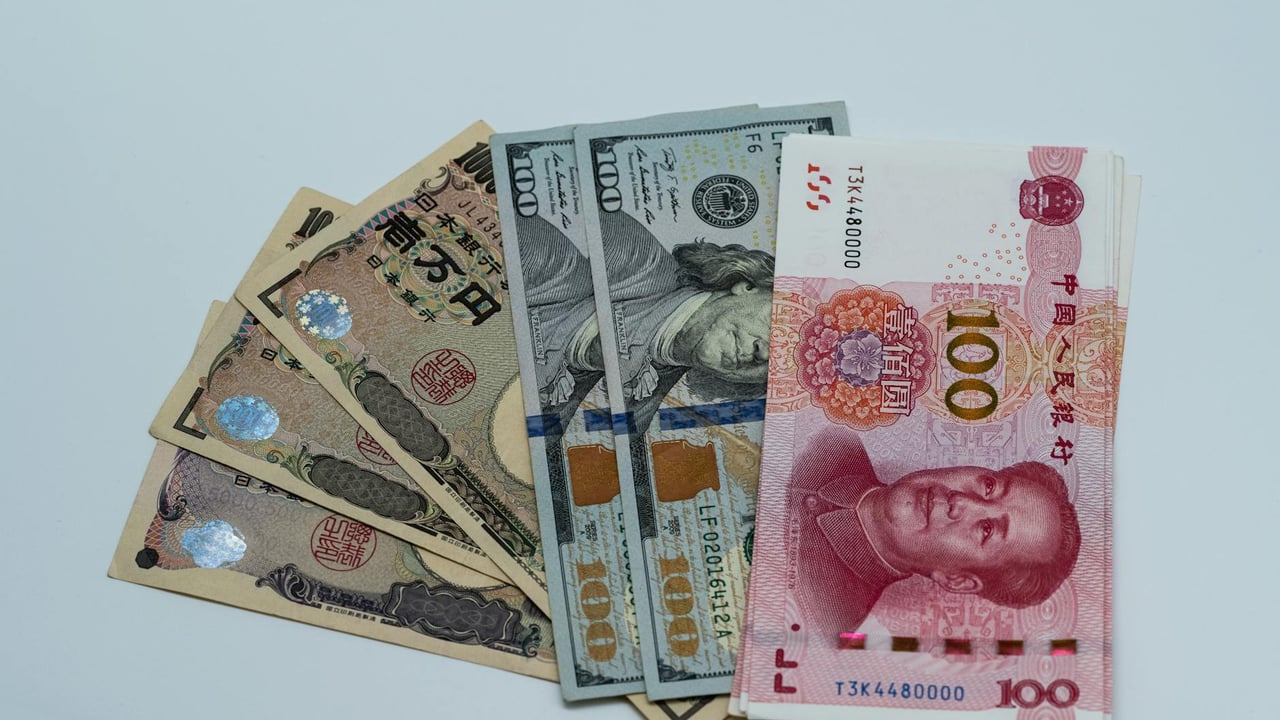

For decades, Japan has been the quiet, reliable cornerstone of the US financial system, acting as the largest foreign holder of American debt. That status quo shifted dramatically in March as Tokyo liquidated $47.7 billion in US Treasuries, reducing its total holdings to $1.19 trillion. While $47.7 billion represents a fraction of the trillion-dollar pile, the move marks Japan’s largest single-month divestment since 2022 and signals a profound change in the financial alliance.
This aggressive sell-off is not a simple portfolio rebalancing but a defensive maneuver in a tightening currency vice. As the Japanese Yen cratered toward historic lows against the dollar, Japanese authorities were forced to incinerate billions in foreign reserves to stabilize their domestic economy. Selling Treasuries is the most efficient way for Tokyo to generate the dollar liquidity needed for market intervention, which recently reached an estimated $54.7 billion in a single month.
Beyond currency stabilization, the divestment appears to be a response to escalating trade friction between the two allies. Washington’s imposition of reciprocal tariffs on Japanese electronics and automobiles has turned the economic relationship transactional. By withdrawing support for the Treasury market, Tokyo is signaling that it can no longer be expected to finance American deficits while its own core industries are being targeted by protectionist US trade policies.
The broader context is a US fiscal landscape that looks increasingly precarious to international creditors. With the US national debt ballooning past $39 trillion and interest payments now exceeding $1.2 trillion annually, the allure of the 'risk-free' asset is fading. Moody’s recent downgrade of the US credit rating to Aa1 has further eroded confidence, making Japan’s retreat look less like an anomaly and more like a harbinger of structural 'de-dollarization.'
If Japan’s departure continues, the impact on the global economy could be seismic. As the primary foreign financier of the American deficit, Japan’s move toward domestic rate hikes and debt reduction puts upward pressure on US yields, making it more expensive for the US government to borrow. This strategic retreat suggests that the world’s largest creditors are no longer willing to underwrite American fiscal expansion without reservation.