A Fragile Truce Tested: U.S. Strikes on Iranian Assets Highlight Rising Persian Gulf Tensions

U.S. forces launched 'self-defense' airstrikes against Iranian missile sites and naval vessels on May 25, 2026, following reports of imminent threats. The incident, which Tehran views as a ceasefire violation, marks a significant escalation in the ongoing maritime shadow war near the Strait of Hormuz.

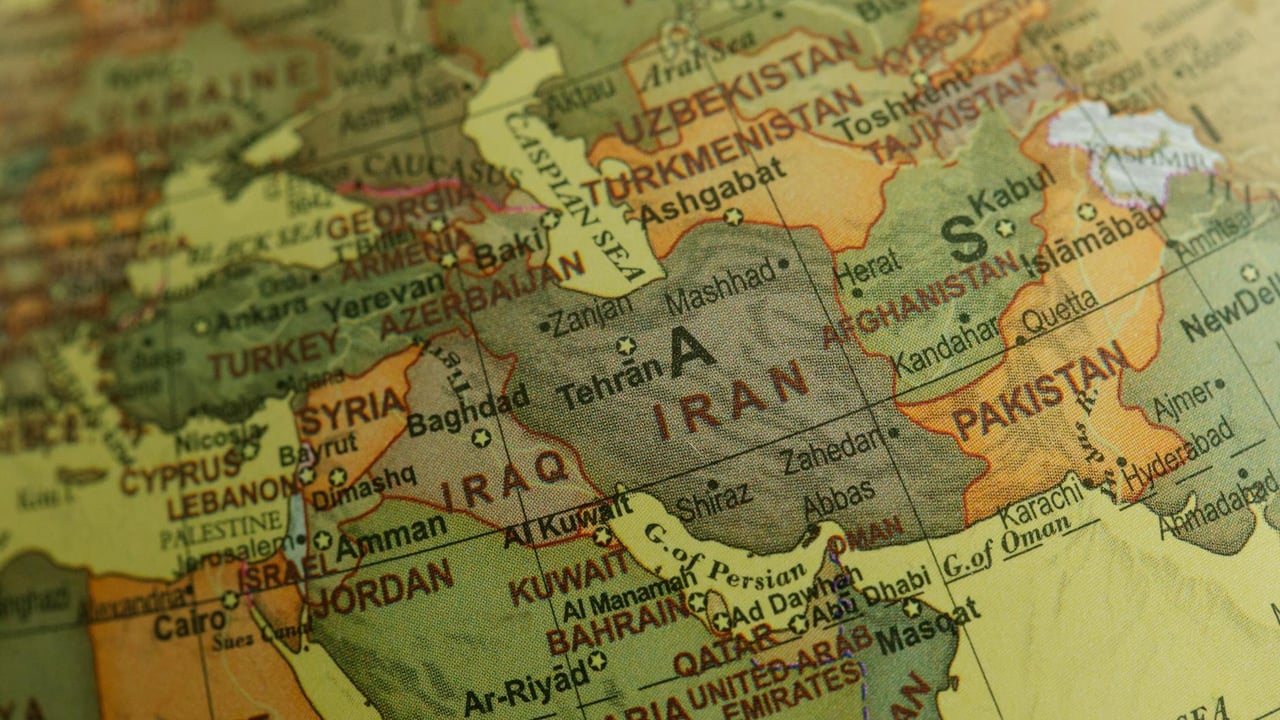
Close-up view of Middle East map highlighting countries and borders.

Key Takeaways

  • 1U.S. Central Command targeted Iranian missile launch sites and mine-laying boats near Bandar Abbas.
  • 2Iran claims the strikes violated an existing ceasefire, while the U.S. maintains the actions were defensive.
  • 3Reports indicate casualties among IRGC naval forces and retaliatory fire toward U.S. warships in the Gulf of Oman.
  • 4The incident follows a similar high-intensity exchange of fire that occurred between May 7 and May 8.
  • 5U.S. officials state the current operation has concluded, though regional tensions remain at a breaking point.

Editor's
Desk

Strategic Analysis

This engagement signals a shift from passive deterrence to active denial in the U.S. posture toward Iran’s 'gray zone' tactics. By targeting mine-laying vessels specifically, Washington is drawing a hard red line regarding the freedom of navigation in the Strait of Hormuz. However, the 'self-defense' label used by the Pentagon serves a dual purpose: it justifies immediate kinetic action to domestic and international audiences while providing a de-escalatory off-ramp by framing the strike as a finite reaction rather than the start of a new campaign. For Iran, the challenge is maintaining its 'resistance' narrative without triggering a conventional conflict it cannot win, leading to the predictable cycle of localized retaliation followed by calls for calm.

China Daily Brief Editorial
Strategic Insight
China Daily Brief

On May 25, the U.S. Central Command executed a series of targeted airstrikes against Iranian missile batteries and mine-laying vessels in southern Iran. Described by Washington as a 'self-defense' measure, the operation aimed to neutralize immediate threats to American forces operating in the region. The strikes focused on military installations near the strategically vital Port of Bandar Abbas and the coastal towns of Sirik and Jask.

While the U.S. maintains that its actions were a necessary response to Iranian provocation, Tehran has characterized the strikes as a blatant violation of a pre-existing ceasefire. Iranian state media reported multiple explosions near the Strait of Hormuz, claiming that the local situation remains under control despite the tactical surprise. Social media reports, however, suggest higher stakes, indicating that several Islamic Revolutionary Guard Corps (IRGC) naval personnel were killed when their fast-attack craft were intercepted by U.S. aircraft.

This latest flare-up follows a pattern of escalating kinetic exchanges that began in early May, when U.S. and Iranian forces traded fire near the Hormuz chokepoint. The recurring nature of these skirmishes underscores the extreme volatility of the current security architecture in the Persian Gulf. Despite both sides asserting they have no desire for a full-scale regional war, the margin for error is narrowing as tactical 'self-defense' becomes the primary mode of engagement.

For the global community, the immediate concern remains the security of international shipping lanes. The Strait of Hormuz serves as the world's most critical oil transit point, and any sustained disruption—whether through mine-laying or missile exchanges—threatens global energy stability. While American officials suggest this particular round of strikes has 'temporarily ended,' the underlying drivers of the conflict remain unresolved and prone to further ignition.

Share Article

Related Articles

📰
No related articles found