
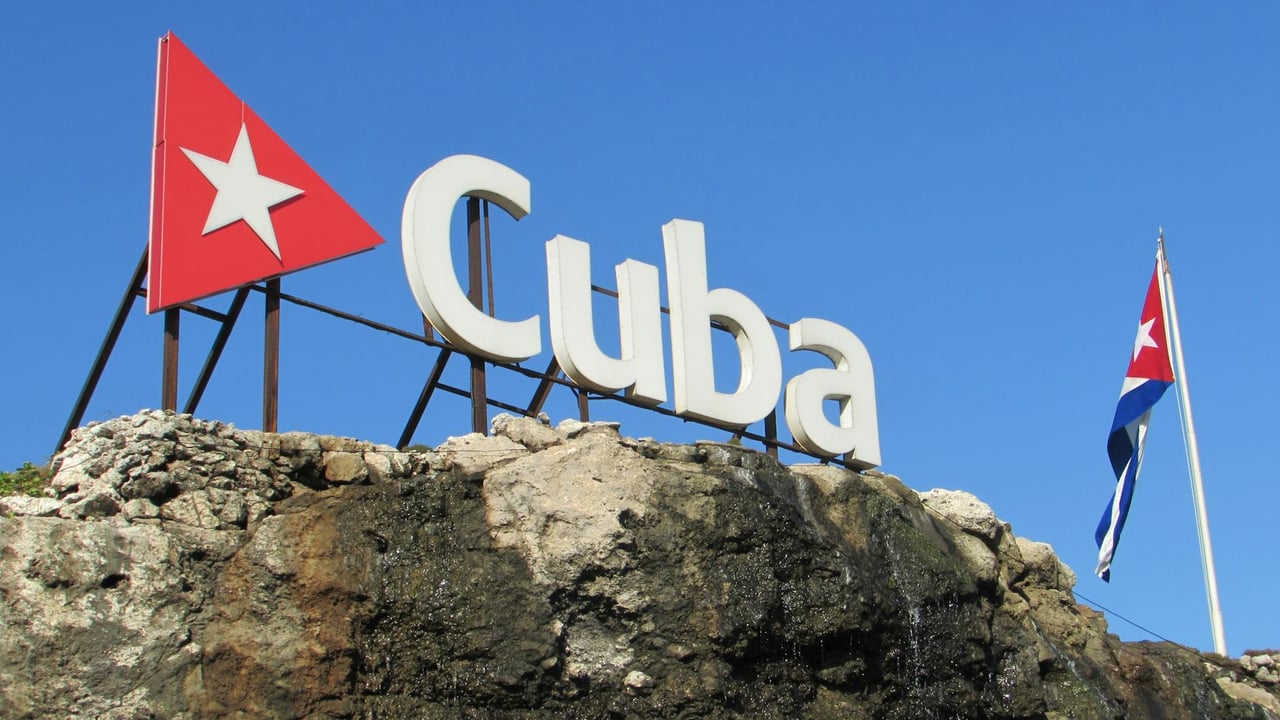

In a renewed display of diplomatic solidarity, the Chinese Ministry of Foreign Affairs has signaled its unwavering commitment to protecting Cuba’s sovereignty, security, and development interests. The announcement, though rhetorically consistent with Beijing’s long-standing foreign policy, arrives at a moment of heightened geopolitical friction, positioning the Caribbean island as a central theater in the broader competition between major powers.
The relationship between Beijing and Havana has evolved from shared revolutionary nostalgia into a pragmatic partnership characterized by mutual defiance of Western pressure. By explicitly mentioning 'security' and 'development interests,' China is telegraphing its intent to expand its footprint in the Western Hemisphere, likely through infrastructure projects and technological cooperation that bypass traditional US-led financial systems.
For Havana, the support of the world’s second-largest economy provides a crucial lifeline as it continues to grapple with the structural impacts of decades-long economic sanctions. For Beijing, the alliance serves as a potent rhetorical tool, allowing it to frame US policies as 'interference' while presenting itself as a champion of the Global South and a defender of 'non-interference' in domestic affairs.
This diplomatic posturing also underscores China’s ambition to deepen ties within the G-77 plus China framework, where Cuba holds significant symbolic weight. As Beijing seeks to diversify its strategic partners, its deepening investment in Cuban stability ensures it maintains a presence in proximity to American shores, offering both a diplomatic buffer and a strategic listening post in the Atlantic.