
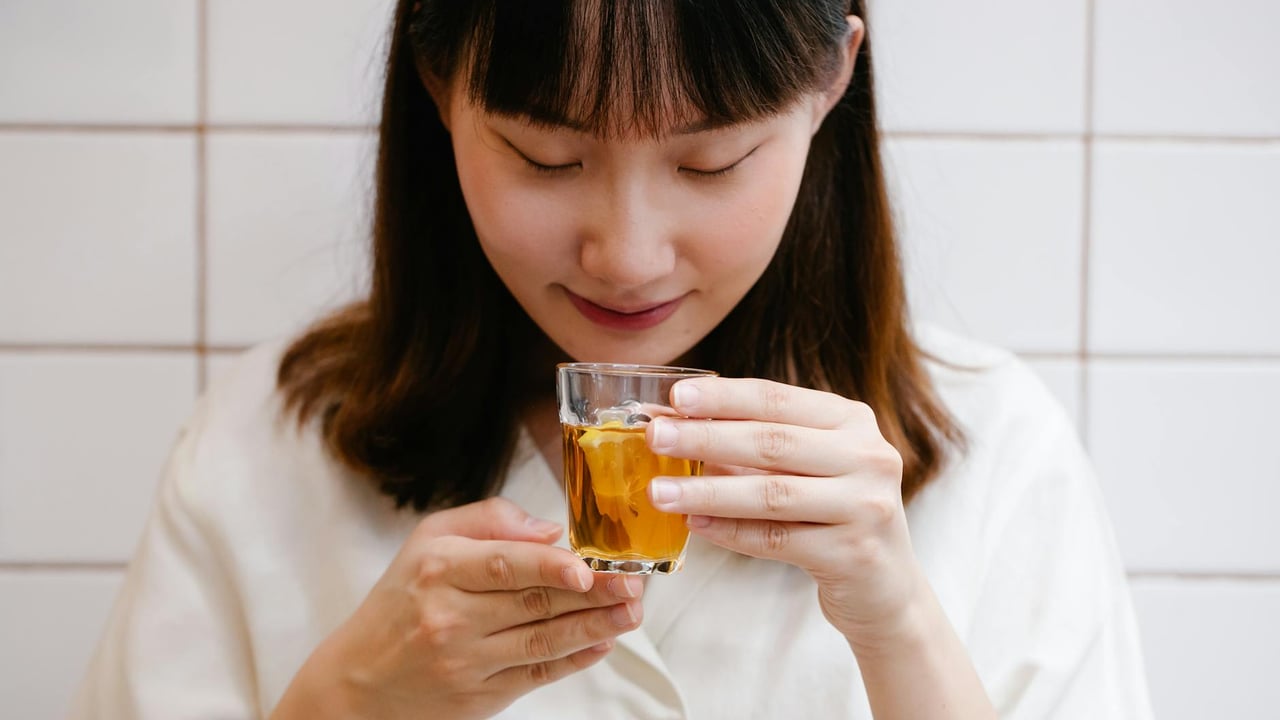

China’s beverage market is witnessing an unprecedented convergence as the boundaries between sober caffeine culture and the traditional spirits industry dissolve. This 'bilateral rush' sees new-style tea giants investing heavily in alcohol-infused menus, while heritage Baijiu (white liquor) distillers are shedding their stodgy images to experiment with coffee and lifestyle-centric dining. Driven by the 'slight intoxication economy,' both sectors are fixated on capturing the shifting preferences of Gen Z and young white-collar professionals.
From the high-profile relaunch of ChaPaiDao’s collaboration with Luzhou Laojiao to Luckin Coffee’s expansion into gin- and whisky-laced 'specialty blends,' the trend is no longer a fringe experiment but a core survival strategy. For the legacy distillers like Moutai and Wuliangye, the motivation is an existential threat: their traditional base of business banqueting is shrinking, and younger consumers view high-proof spirits as the relic of a previous generation. By embedding themselves in the daily routines of coffee and tea drinkers, these brands hope to transform from status symbols into lifestyle staples.
Meanwhile, the new-style tea industry is grappling with its own crisis of saturation. After a decade of explosive growth, the market reached a massive 300 billion yuan in 2024, but growth rates have plummeted from double digits to a mere 6.4%. Data shows that despite over 110,000 new store openings in the past year, more than 140,000 locations shuttered, resulting in a net decline in the total number of tea shops. This 'involution' has forced brands to seek a 'second growth curve' through higher-margin, emotionally resonant categories like low-alcohol beverages.
The strategic shift is visible in the physical footprint of these brands. Wuliangye’s 'Wu Liang Zhi Zao' experience centers in Chengdu now utilize a 'day coffee, night booze' model, serving premium lattes by sunlight and grilled meats with cocktails by moonlight. Similarly, Moutai has moved beyond simple ice cream collaborations to focus on 100ml mini-bottles and cultural merchandise designed for social media sharing. These initiatives lower the barrier to entry for young consumers, turning a daunting 53-proof spirit into a manageable, Instagrammable moment.
Ultimately, the rise of the 'slight intoxication' sector, which is growing at 25% annually—roughly five times faster than the traditional Baijiu market—represents a fundamental restructuring of Chinese consumption. As tea brands move 'upmarket' into alcohol and liquor brands move 'downmarket' into everyday beverages, the fight is no longer just for shelf space, but for the 'mindshare' of a generation that values emotional value and social experience over pure potency.