
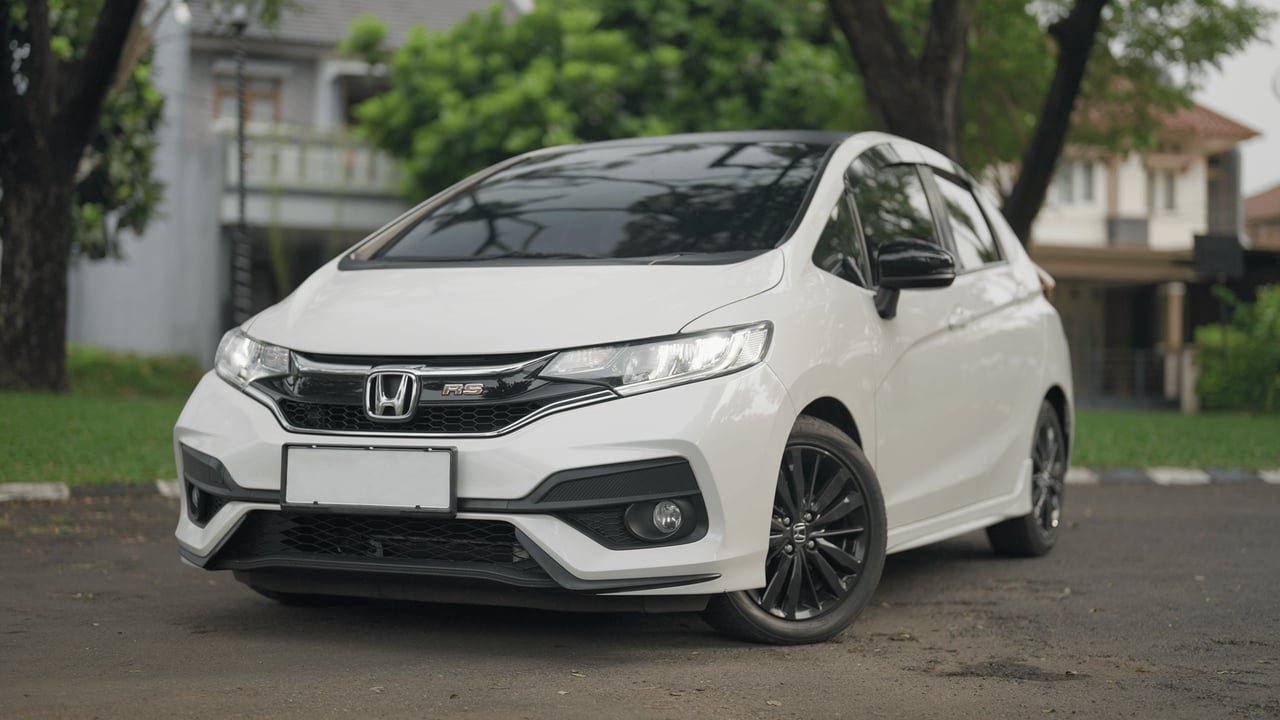

For decades, Japanese automakers were the undisputed paragons of profitability and manufacturing discipline. However, the fiscal year 2025 (ending March 2026) has shattered that aura of invincibility. A collective 'profit hemorrhage' has gripped the industry, with even the most storied names reporting historic losses or sharp declines in net income. Honda, a pillar of Japanese engineering, recorded its first annual net loss since listing on the Tokyo Stock Exchange in 1957, while Nissan’s deficit reached a staggering 533.1 billion yen.
The most visible theater of this decline is China, the world’s largest automotive market and formerly a reliable cash cow for Japanese brands. In a stunning reversal of fortunes, Japanese market share in China has collapsed from over 23% in 2020 to a mere 9.8% in 2025. As Chinese consumers pivot en masse to domestic electric vehicles (EVs), the internal combustion engine (ICE) models that defined Japanese success are being rendered obsolete. For Honda and Nissan, sales volumes in China have essentially halved from their historical peaks.
Even Toyota, the world’s largest automaker by volume, has not been spared. Despite crossing the 50 trillion yen revenue threshold—a first for any Japanese corporation—its net profit fell by nearly 20% for the second consecutive year. Beyond the 'China shock,' Japanese firms are navigating a perfect storm of macroeconomic headwinds, including soaring raw material costs, Middle Eastern geopolitical instability affecting shipping, and the looming specter of increased U.S. tariffs. Toyota alone reported a 91.7% collapse in exports to the Middle East due to regional conflict.
The crisis has forced a painful strategic retreat. Nissan is slashing its global workforce by 20,000 and closing seven factories, while Honda has admitted that its 2040 goal of eliminating fuel-burning cars may have been 'unrealistic.' This shift toward 'pragmatic' electrification—moving back toward hybrids and localized R&D—suggests that the industry is in survival mode. The global crown for sales volume has officially passed to Chinese brands, marking a structural shift in the global order that may be irreversible.