Shanghai’s Soft Power Pivot: Engineering a Digital Content Renaissance

Shanghai is aggressively positioning itself as China’s premier hub for digital content creators through a combination of brand density and targeted government subsidies. By establishing dedicated industrial clusters and support policies, the city aims to turn the 'attention economy' into a core component of its urban soft power and economic resilience.

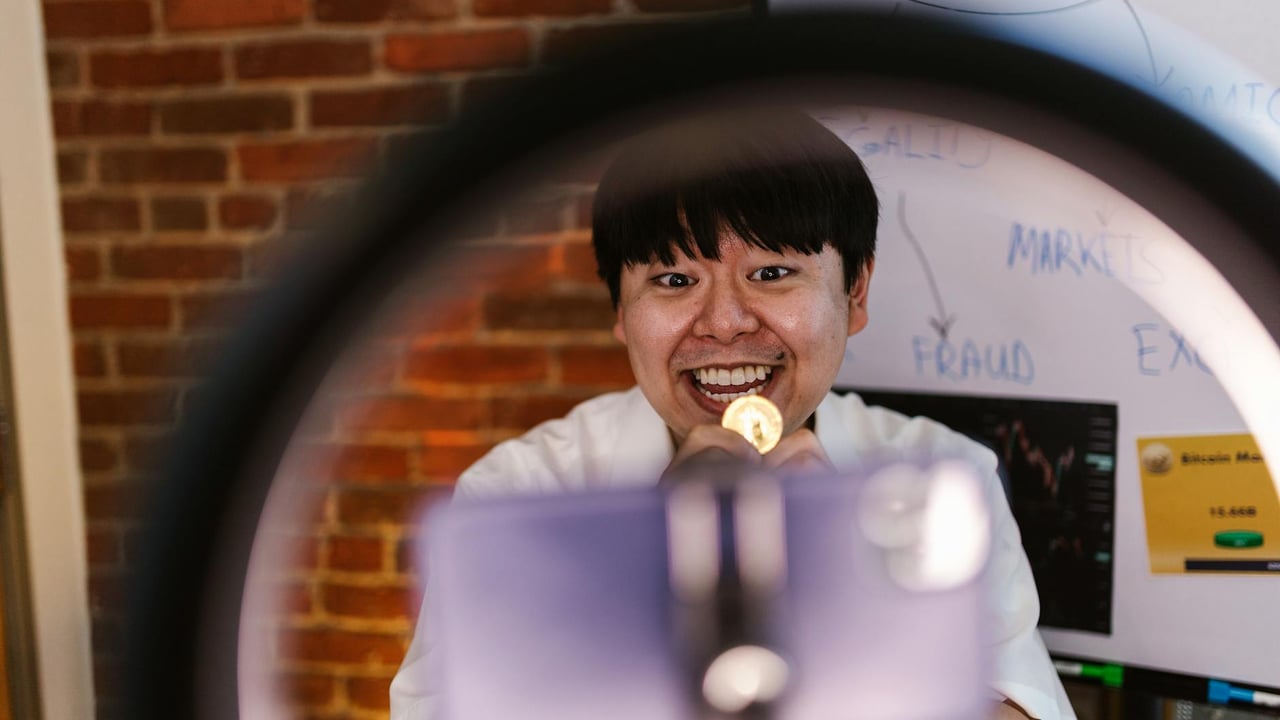
Excited Asian man presenting lively Bitcoin discussion with a smile indoors.

Key Takeaways

  • 1Shanghai has introduced the 'Nine Measures' policy to support the full lifecycle of internet content creation.
  • 2The city is leveraging its high concentration of international brands to attract creators who focus on premium commercial storytelling.
  • 3Dedicated zones in Huangpu and Yangpu districts are providing physical infrastructure like studios and 'green channels' for talent residency.
  • 4Shanghai is consolidating its lead in the podcasting industry, hosting major platforms and production houses to become a 'Podcast Capital.'
  • 5The strategy reflects a shift toward using digital culture as a driver for regional GDP and global soft power.

Editor's
Desk

Strategic Analysis

Shanghai's move to institutionalize content creation marks a significant shift in Chinese urban competition. For years, Hangzhou held the crown for digital commerce due to Alibaba’s presence, but Shanghai is now playing a different game: focus on high-end, brand-integrated content rather than raw sales volume. By treating influencers as 'talents' worthy of residency permits and tax incentives, the government is acknowledging that digital narratives are as essential to 21st-century urban competitiveness as shipping lanes or banking licenses. This policy-driven clustering suggests that the future of China’s soft power will not come from traditional state media, but from a state-supported, commercially-driven 'creator class' that is deeply embedded in the lifestyle and consumerism of China's most international city.

China Daily Brief Editorial
Strategic Insight
China Daily Brief

Shanghai is undergoing a strategic metamorphosis, evolving from a traditional hub of global finance and manufacturing into a primary destination for China’s burgeoning digital creator class. Once overshadowed by Hangzhou’s e-commerce dominance and Beijing’s tech conglomerates, the metropolis is now attracting a diverse spectrum of influencers, multi-channel networks (MCNs), and niche creators who see the city’s international flair as a vital ingredient for high-value branding.

The influx of talent is no longer purely organic; it is being meticulously engineered by municipal authorities. The city’s 'Nine Measures to Support High-Quality Internet Content' policy represents a sophisticated intervention in the attention economy. By integrating financial incentives with talent cultivation and physical infrastructure, Shanghai is attempting to build an end-to-end ecosystem that connects creators directly with the global brands headquartered within its borders.

Physical clusters are at the heart of this strategy, particularly in the Huangpu and Yangpu districts. New developments like 'V-Gather' and 'Bund FTC' provide more than just office space; they offer specialized livestreaming studios, production facilities, and co-working environments designed to alleviate the isolation often felt by independent creators. This urbanization of content production aims to transform digital media into a measurable pillar of the city’s cultural and economic soft power.

Beyond video, Shanghai is positioning itself as the undisputed capital of the Chinese podcasting scene. Home to major platforms like Ximalaya and Xiaoyuzhou, as well as several top-tier production houses, the city offers a unique ecosystem where the 'attention economy' can thrive alongside traditional high culture. Analysts suggest this concentration of high-quality audiovisual content will eventually redefine Shanghai’s position in the global digital landscape, creating a new 'popular arts' cluster that drives both domestic consumption and international influence.

Share Article

Related Articles

📰
No related articles found