

At the BEYOND Expo 2026 in Macau, the grand narratives that have long dominated artificial intelligence are finally meeting the friction of the physical world. While NVIDIA’s Deepu Talla projects a future inhabited by tens of billions of robots within two decades, the atmosphere among Chinese entrepreneurs and investors has shifted from utopian speculation to a gritty focus on the 'last mile' of implementation. The consensus is clear: the industry has moved beyond debating the necessity of physical AI to the much more difficult task of making it commercially viable.
Despite the spectacle of humanoid robots performing tasks from traffic direction to coffee brewing, the technical bottlenecks remain formidable. Industry leaders point to a massive 'data gap' as the primary hurdle, noting that while large language models (LLMs) flourished on digital text, embodied intelligence requires tens of millions of hours of real-world interaction to achieve generalization. Current humanoid models are often 'demonstration-grade,' capable in controlled environments but brittle when faced with the unpredictability of a warehouse or a street corner.
Investors are becoming increasingly discerning, moving away from pure-play software teams to favor 'full-stack' companies that control the holy trinity of hardware, software, and supply chain. The 'death bridge' between a working prototype and mass production remains the primary filter for startups, where cash flow management and inventory costs often sink promising firms before they reach scale. There is a growing realization that 'soft power' in this era is not just about code, but about the engineering capability to deploy and maintain heterogeneous systems in the field.
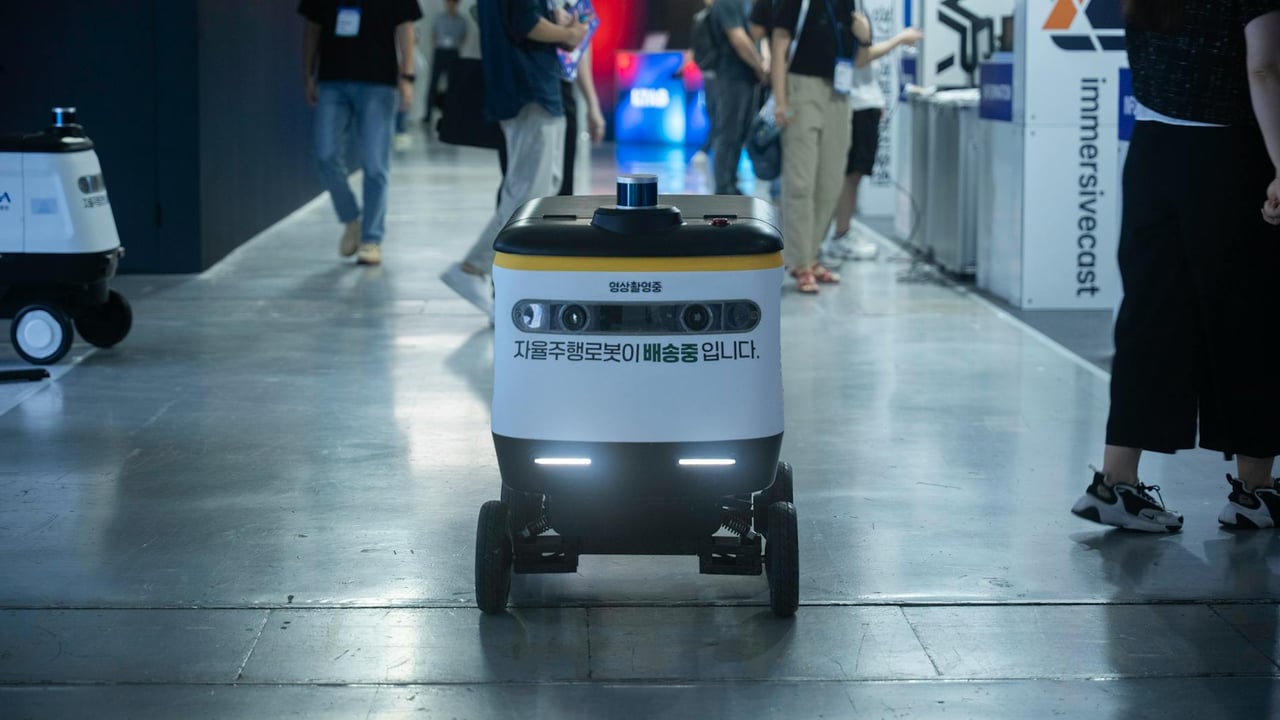
For many in the Chinese ecosystem, the strategy is shifting toward 'limited scenarios'—specialized robots for cleaning, inspection, and logistics—rather than the immediate pursuit of a general-purpose humanoid. These specialized machines are seen as the pragmatists' path to profitability, allowing firms to build the necessary 'feedback loops' with real users. In this hyper-competitive landscape, speed has become a primary moat, with product iteration cycles now compressed into less than a year as firms race to find the elusive product-market fit before their venture capital runs dry.