

On May 30, China’s National Science and Technology Workers Day, the Ministry of Science and Technology and other state agencies conferred the prestigious National Innovation Excellence Award upon Wang Xingxing, the 34-year-old founder and CEO of Unitree Robotics. This recognition marks more than just a personal accolade for the millennial engineer; it serves as a high-level state endorsement of the burgeoning humanoid robotics sector, which Beijing has identified as a critical pillar of its 'New Quality Productive Forces' initiative.
Founded in 2016 and based in Hangzhou’s burgeoning tech corridor, Unitree has rapidly emerged as a global frontrunner in quadruped and humanoid robotics. The company’s trajectory is now accelerating toward a landmark public listing, with the Shanghai Stock Exchange scheduled to deliberate on Unitree’s initial public offering on June 1. If successful, the company is projected to debut with an initial market capitalization of approximately 42 billion RMB ($5.8 billion), making it the first pure-play humanoid robot stock on China’s A-share market.
Unitree’s ambitions extend beyond industrial applications into the realms of high-end consumer hardware and science-fiction-inspired mobility. Earlier this month, the firm unveiled the GD01, a manned, transformable mecha priced at 3.9 million RMB. Weighing 500 kilograms, the machine is marketed as a dual-use vehicle for civilian transport and entertainment, showcasing the company’s ability to turn complex mechanical engineering into marketable luxury products.
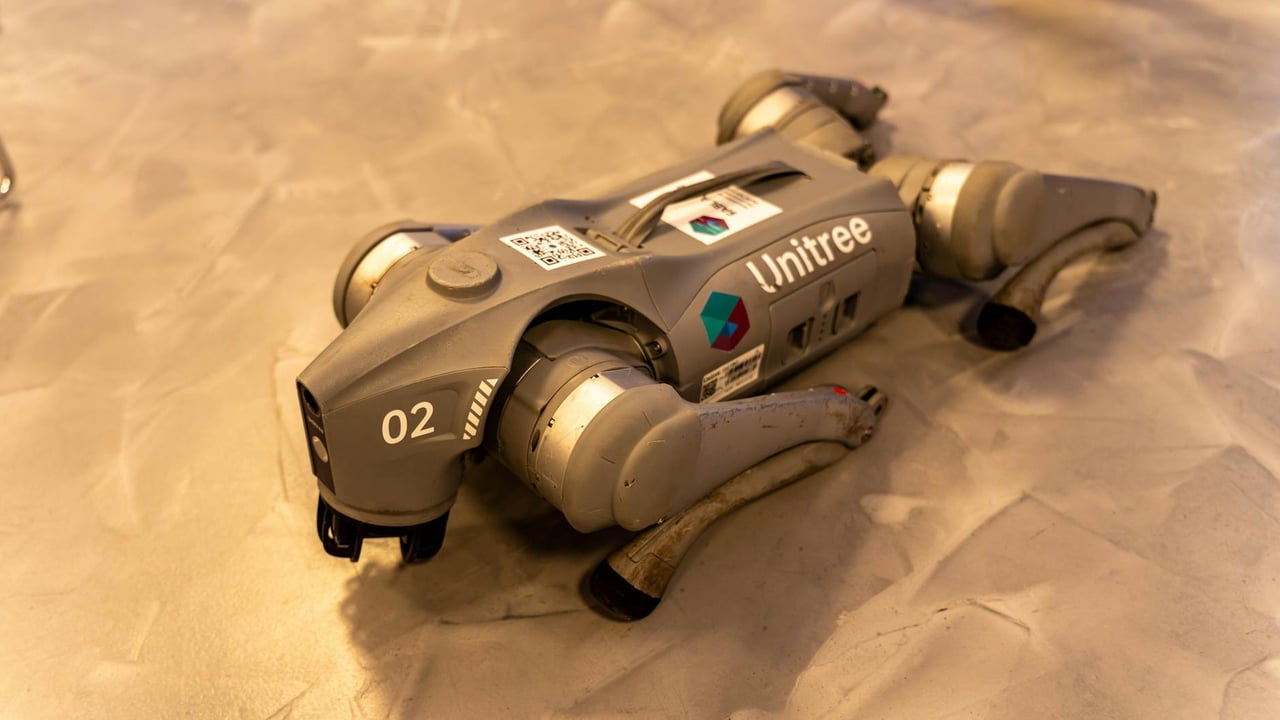
To bridge the gap between laboratory prototypes and mainstream consumers, Unitree is also aggressively expanding its retail footprint. On May 31, the company will open Asia’s first 'Embodied Intelligence' experience center in Shanghai’s high-end Nanjing West Road district. The showroom will feature accessible products like the Go2 robot dog and the R1 humanoid robot, the latter of which aims to disrupt the market with a starting price of under 30,000 RMB ($4,100), signaling a move toward mass-market affordability in a sector once reserved for research institutions.