Japan’s Defense Renaissance: Machinery Orders Triple as Tokyo Pivots to Counter Regional Threats

Japan’s defense machinery orders have tripled over the last five years, reaching 2.69 trillion yen in FY2025 and making up nearly half of all government machinery procurement. This surge, led by investments in missiles and aircraft, highlights Japan’s strategic pivot toward a more aggressive deterrent posture in the Indo-Pacific.

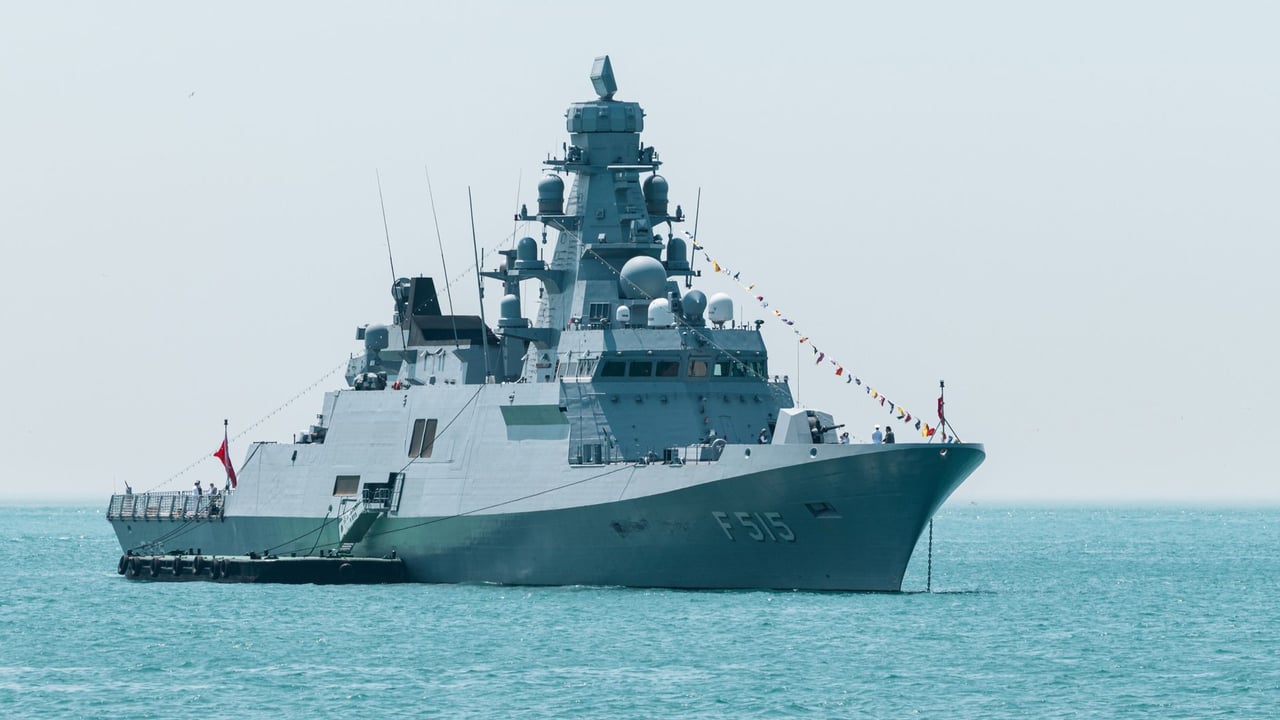
A naval warship with identification F515 sails on calm turquoise waters under a clear sky.

Key Takeaways

  • 1Japan's Ministry of Defense machinery orders hit 2.69 trillion yen in FY2025, a 300% increase since 2020.
  • 2Defense-related orders now represent nearly 50% of the total Japanese government public demand for machinery.
  • 3The procurement spike is largely driven by investments in surface-to-air missiles and modern aviation assets.
  • 4The spending reflects Japan's shift toward developing 'counterstrike' capabilities amid regional tensions with China and North Korea.

Editor's
Desk

Strategic Analysis

The tripling of Japan's defense orders is more than just a budgetary adjustment; it is the financial manifestation of a historic shift in Japanese grand strategy. By dedicating nearly half of its public machinery demand to the military, Tokyo is essentially prioritizing national security over other forms of industrial or infrastructure-led growth. This 'crowding out' effect signals that the Japanese government views the current regional security window as critical, necessitating a rapid build-up of hardware that was once politically unthinkable. Strategically, this places Japan on a path to becoming one of the world's largest defense spenders, which will inevitably alter the balance of power in the Indo-Pacific and tighten its security integration with the United States.

China Daily Brief Editorial
Strategic Insight
China Daily Brief

Japan’s Ministry of Defense has dramatically accelerated its procurement efforts, with machinery orders reaching nearly 2.69 trillion yen in fiscal year 2025. This surge represents a staggering three-fold increase over a five-year period, signaling a profound shift in the nation's post-war defense posture. The sheer volume of these orders now accounts for nearly half of the Japanese government’s total public demand for machinery, which stands at approximately 5.53 trillion yen.

The primary catalysts for this spending spree are high-ticket acquisitions including sophisticated surface-to-air missile systems and advanced aircraft. These investments align with Tokyo’s recently revised national security strategy, which prioritizes counterstrike capabilities and robust territorial defense. By channeling such significant resources into hardware, Japan is rapidly modernizing its Self-Defense Forces to address a deteriorating regional security environment.

This fiscal expansion reflects an urgent response to the growing military assertiveness of China and the persistent missile threats from North Korea. For decades, Japan maintained a cap on defense spending at roughly one percent of its GDP, but that ceiling has effectively been shattered in favor of a more proactive deterrent. The shift underscores a new reality where Japan seeks to become a more autonomous and capable security actor within the Indo-Pacific.

Beyond military readiness, this flood of capital is providing a massive windfall for Japan's domestic defense contractors. Heavyweights in the aerospace and engineering sectors are seeing their order books swell to unprecedented levels. This concentration of government spending on defense machinery suggests a long-term commitment to revitalizing the domestic industrial base as a pillar of national resilience.

Share Article

Related Articles

📰
No related articles found