
# Military Procurement
Latest news and articles about Military Procurement
Total: 10 articles found

The Rubber Meets the Road: Taiwan’s ‘Non-Red’ Supply Chain Ambitions Falter Over Chinese Tires
The discovery of mainland Chinese-branded Sailun tires on Taiwanese military vehicles has sparked criticism of the DPP's 'non-Red supply chain' policy. Despite the military's defense that the tires were produced in Southeast Asia, the incident underscores the difficulty of decoupling defense logistics from Chinese corporate entities.
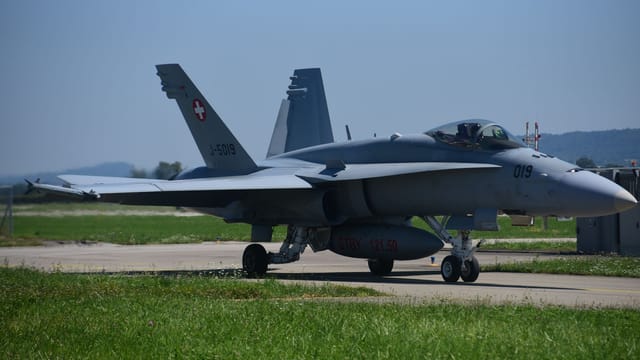
A Strategic Mosaic: Why Indonesia is Doubling Its Bet on Chinese Fighter Jets
Indonesia is reportedly planning to double its acquisition of Chinese J-10CE fighter jets as part of a broader strategy to diversify its air force. By mixing Chinese hardware with French and American jets, Jakarta seeks to build a cost-effective, large-scale fleet while maintaining a non-aligned geopolitical stance.

Misfires on the Coast: Technical Glitches in Taiwan’s HIMARS Drills Challenge the ‘Asymmetric Warfare’ Narrative
Recent live-fire drills in Taiwan saw four out of 36 HIMARS training rockets fail to fire, echoing previous technical issues despite U.S. maintenance efforts. While Taipei officials blame operator error to protect the image of U.S. defense quality, the recurring malfunctions raise questions about the reliability of the island's centerpiece asymmetric weapon system.
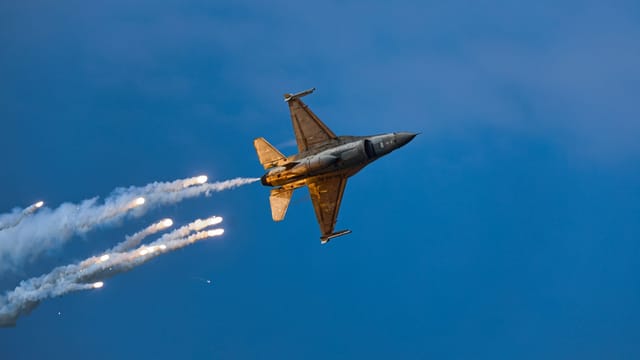
Yerevan’s Iranian Gambit: Why Armenia is Betting on Tehran’s ‘Stealth-Killer’ Missiles
Armenia has integrated the Iranian-made Majid air defense system into its military to counter low-altitude drone threats following lessons learned from the Nagorno-Karabakh conflict. This acquisition highlights Armenia's strategic move to diversify its defense suppliers away from Russia while embracing passive-tracking technology.
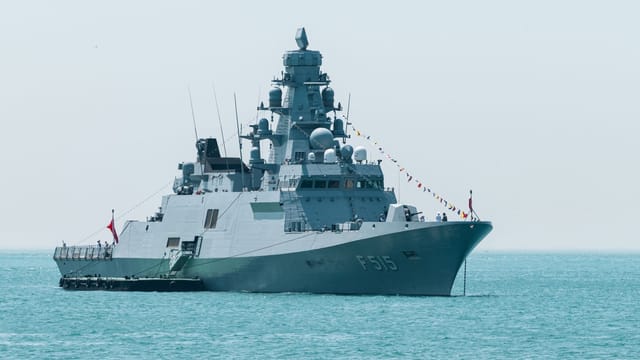
Japan’s Defense Renaissance: Machinery Orders Triple as Tokyo Pivots to Counter Regional Threats
Japan’s defense machinery orders have tripled over the last five years, reaching 2.69 trillion yen in FY2025 and making up nearly half of all government machinery procurement. This surge, led by investments in missiles and aircraft, highlights Japan’s strategic pivot toward a more aggressive deterrent posture in the Indo-Pacific.
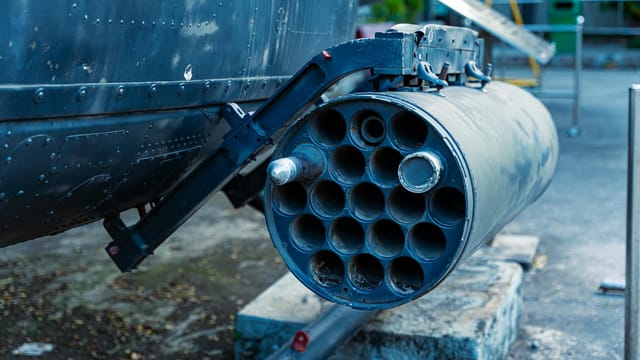
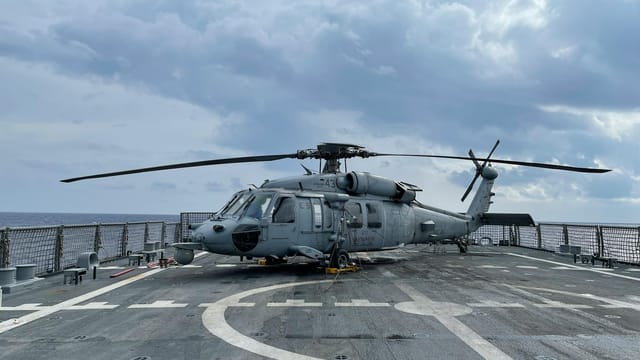
Fortifying the Peninsula: Washington Greenlights $4 Billion Strategic Helicopter Package for Seoul
The U.S. government has approved a $4 billion arms package for South Korea, including 24 MH-60R Seahawk helicopters and major upgrades for AH-64 Apache units. This move is designed to bolster Seoul's anti-submarine warfare and maritime surveillance capabilities while modernizing its existing attack helicopter fleet.

From Beijing to Brinkmanship: The Return of Trump’s High-Stakes Global Posture
Following a visit to China, the Trump administration has aggressively escalated its military rhetoric toward Iran while initiating broader operations in Africa and signaling potential intervention in Cuba. Supported by a massive new cruise missile procurement plan and coordination with allies like Israel and France, Washington appears to be moving toward a strategy of decisive global confrontation.

The High Cost of Alignment: Taiwan’s Budgetary Tensions and the Politics of Identity
The Lai Ching-te administration is struggling with significant military budget cuts and domestic criticism over its pro-Japan historical narrative. While Washington pressures Taipei to accelerate defense spending, opposition figures are calling for a return to the 1992 Consensus to avoid becoming a pawn in a U.S.-China conflict.
The End of the Seventy-Cent Siphon: Mark Carney Asserts Canadian Defense Autonomy
Prime Minister Mark Carney has announced a historic shift in Canadian defense policy, pledging to end the reliance on U.S. suppliers and keep 70% of military spending within Canada. The ten-year, $500 billion strategy aims to boost domestic defense revenue by 240% while fostering strategic autonomy.

A Cracking Shield: How an Aging AWACS Fleet Imperils U.S. Air Superiority
The U.S. Air Force's E-3 AWACS fleet has reached a critical breaking point following recent combat damage and decades of wear. With no immediate replacement available and the E-7 Wedgetail program facing delays, the military's ability to coordinate aerial warfare is under significant threat.