
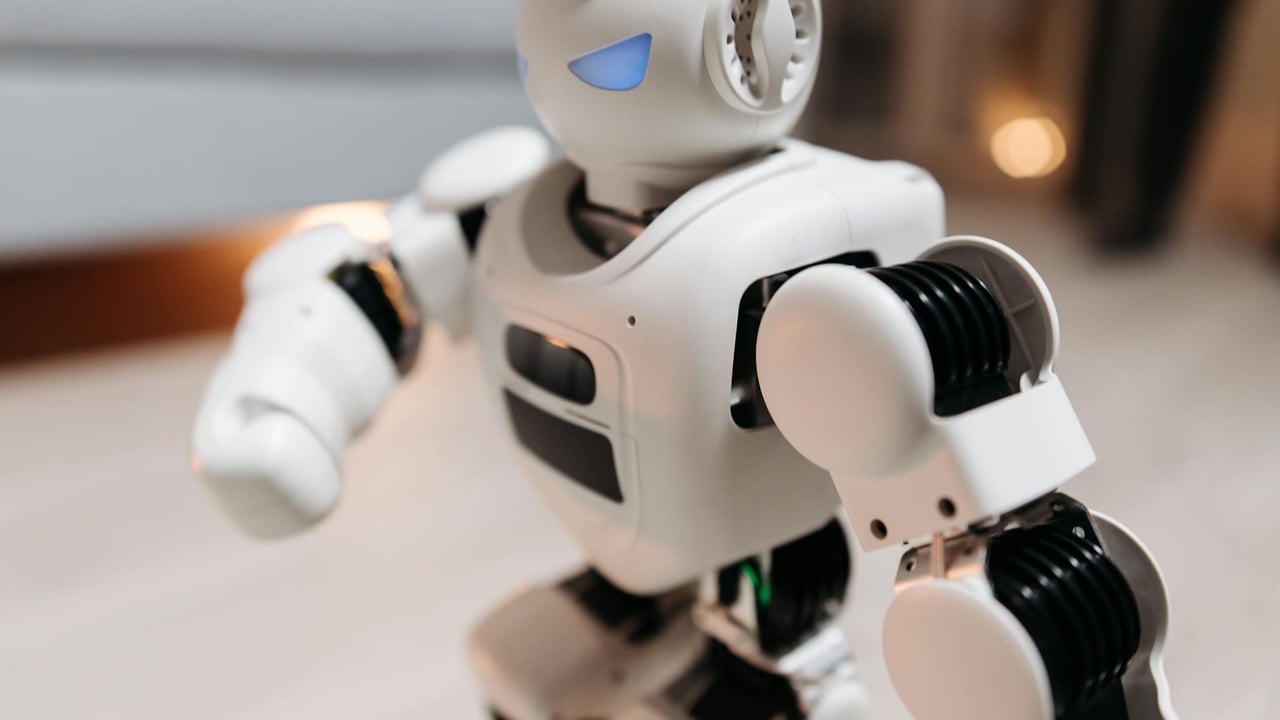

The global race to develop humanoid robots has reached a fever pitch, fueled by billions of dollars in venture capital and the rebranding of these machines as 'Physical AI.' Recent demonstration videos have captivated the public, showing robots that can navigate complex terrain, maintain balance when pushed, and even perform backflips. However, a growing chorus of industry experts and analysts suggests that the most critical hurdle to commercialization is not how well a robot walks, but how effectively it can use its hands.
While locomotion is a significant engineering feat, it merely represents the robot's ability to reach a workstation. The true value of a humanoid robot in a factory or warehouse setting lies in its terminal operations—tasks like grasping, screwing, plugging, and sorting. These actions require a level of dexterity and tactile feedback that current 'dexterous hands' struggle to replicate consistently outside of controlled laboratory environments.
In real-world industrial scenarios, robots must contend with inconsistent lighting, dust, varying temperatures, and objects with diverse shapes and textures. Unlike humans, who rely on a lifetime of tactile experience to adjust their grip strength and positioning instinctively, robots must be programmed or trained to handle every micro-variation. A successful demonstration video is a far cry from a machine that can perform a repetitive assembly task for eight hours without human intervention or failure.
For enterprise customers, the novelty of a robot that looks human quickly fades in the face of operational metrics. Procurement officers are less interested in a robot’s aesthetic resemblance to a person and more focused on its 'reliable work hours.' The success of the industry will ultimately be measured by抓取 (grasping) success rates, continuous runtime, and the frequency of maintenance required. If a robot frequently drops parts or requires constant calibration by an on-site engineer, it fails the cost-benefit analysis of modern manufacturing.
As the initial hype surrounding Physical AI begins to settle, investors are shifting their focus from viral videos to field data. The industry is entering a more sober phase where commercial viability is determined by a robot's ability to perform specific, value-added labor. The 'hand' has become the primary laboratory for testing whether these machines are truly productive tools or merely expensive curiosities. The transition from the showroom to the factory floor will be won by those who can master the nuances of the human touch.