NIO Surges as Rivals Falter: The Great Realignment of China’s Electric Vehicle Trio

May 2026 delivery data shows NIO pulling ahead of its traditional rivals with 62% growth, while Li Auto and XPeng suffered year-on-year declines. The results underscore a period of intense market reshuffling as new entrants like Xiaomi and sub-brands like Onvo redefine the competitive hierarchy.

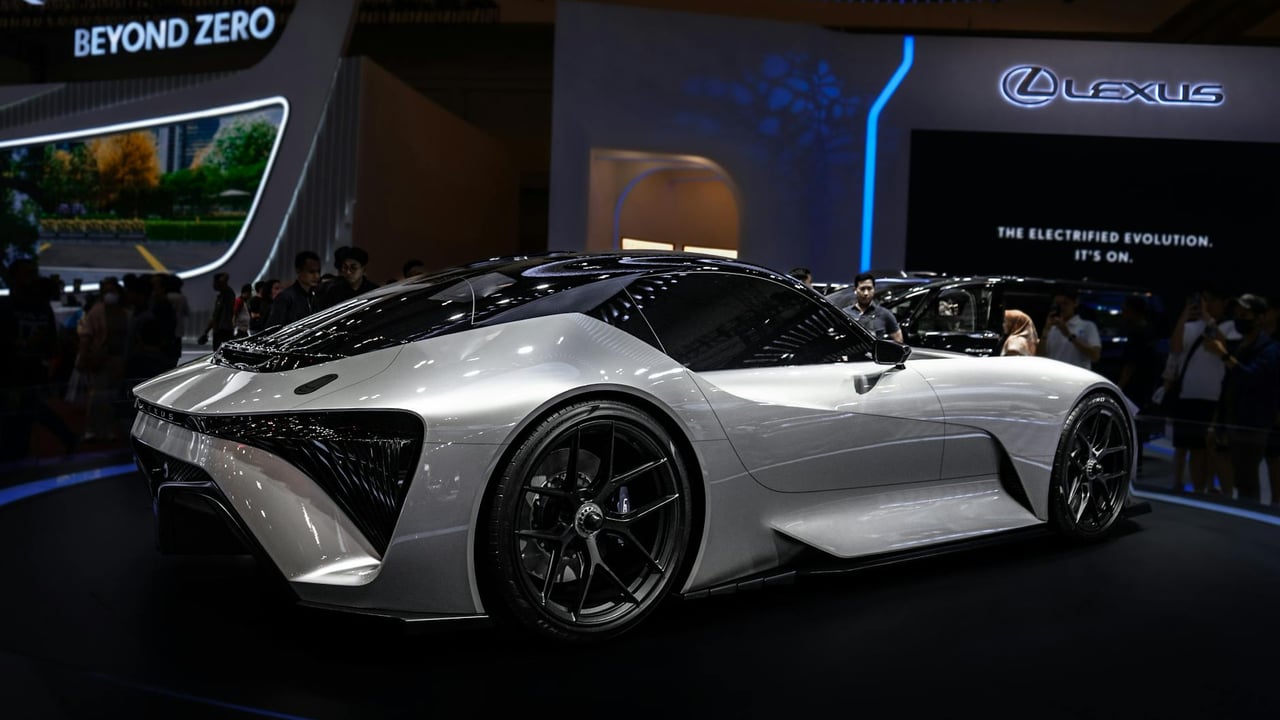
Modern electric sports car displayed at international auto show. Sleek design and futuristic features.

Key Takeaways

  • 1NIO outperformed its peers with 37,705 deliveries, a 62.24% year-on-year increase.
  • 2Li Auto saw a significant 18.37% decline in deliveries, totaling 33,350 units for the month.
  • 3XPeng deliveries dipped 4.08% to 32,158 units, signaling a cooling of its previous growth trajectory.
  • 4Emerging players like Zeekr and Xiaomi are rapidly scaling, with Zeekr seeing 81.8% growth.
  • 5NIO's sub-brand Onvo delivered 12,029 units, proving the viability of its multi-brand expansion strategy.

Editor's
Desk

Strategic Analysis

The divergence in May 2026 deliveries marks the end of the 'Wei Xiao Li' era as a cohesive market indicator. Li Auto’s double-digit decline is particularly telling; the company’s previous reliance on extended-range electric vehicles (EREVs) is being challenged by a massive influx of pure electric models with superior intelligent driving suites. Meanwhile, NIO’s success suggests that its 'ecosystem' approach—comprising luxury services and a growing battery-swap network—is creating a more defensible moat. The overarching trend for 2026 is no longer just about transition to electric, but about brand stratification. Companies that cannot successfully launch a high-volume secondary brand while maintaining premium margins on their flagship models risk being squeezed out by the sheer manufacturing scale of giants like BYD and the software agility of Xiaomi.

China Daily Brief Editorial
Strategic Insight
China Daily Brief

The landscape of China’s high-end electric vehicle (EV) market underwent a significant shift in May 2026, as the once-synchronized 'Wei Xiao Li' trio—NIO, XPeng, and Li Auto—reported wildly divergent delivery figures. NIO emerged as the month’s clear victor, delivering 37,705 vehicles and marking a robust 62.24% year-on-year increase. This surge suggests that NIO's long-term investments in battery-swapping infrastructure and its multi-brand strategy are finally yielding substantial market share gains.

In stark contrast, Li Auto and XPeng both struggled to maintain their momentum. Li Auto, which previously dominated the group in volume, saw deliveries drop 18.37% year-on-year to 33,350 units. XPeng recorded a more modest but still concerning decline of 4.08%, delivering 32,158 vehicles. The contraction for these two pioneers highlights the brutal competitive environment in a market now flooded with tech-heavy challengers like Xiaomi and premium sub-brands from legacy manufacturers.

The broader market data for May reveals a 'winner-takes-all' dynamic emerging among second-generation EV manufacturers. Zeekr reported a staggering 81.8% growth with over 34,000 deliveries, while tech giant Xiaomi surged past the 30,000-unit mark. These figures suggest that consumer loyalty is increasingly fluid, gravitating toward brands that can offer either superior ecosystem integration or aggressive pricing in the mid-to-high-end segments.

Industry analysts point to the rise of sub-brands as the new frontier for growth. NIO’s mass-market brand, Onvo (Leidao), is already making its presence felt with over 12,000 deliveries in May, even as it prepares for the high-profile launch of the L60 model in mid-June. This diversification allows premium players to capture the volume-heavy middle class without diluting their flagship brand’s luxury status, a move that XPeng and Li Auto are now racing to emulate.

Share Article

Related Articles

📰
No related articles found