
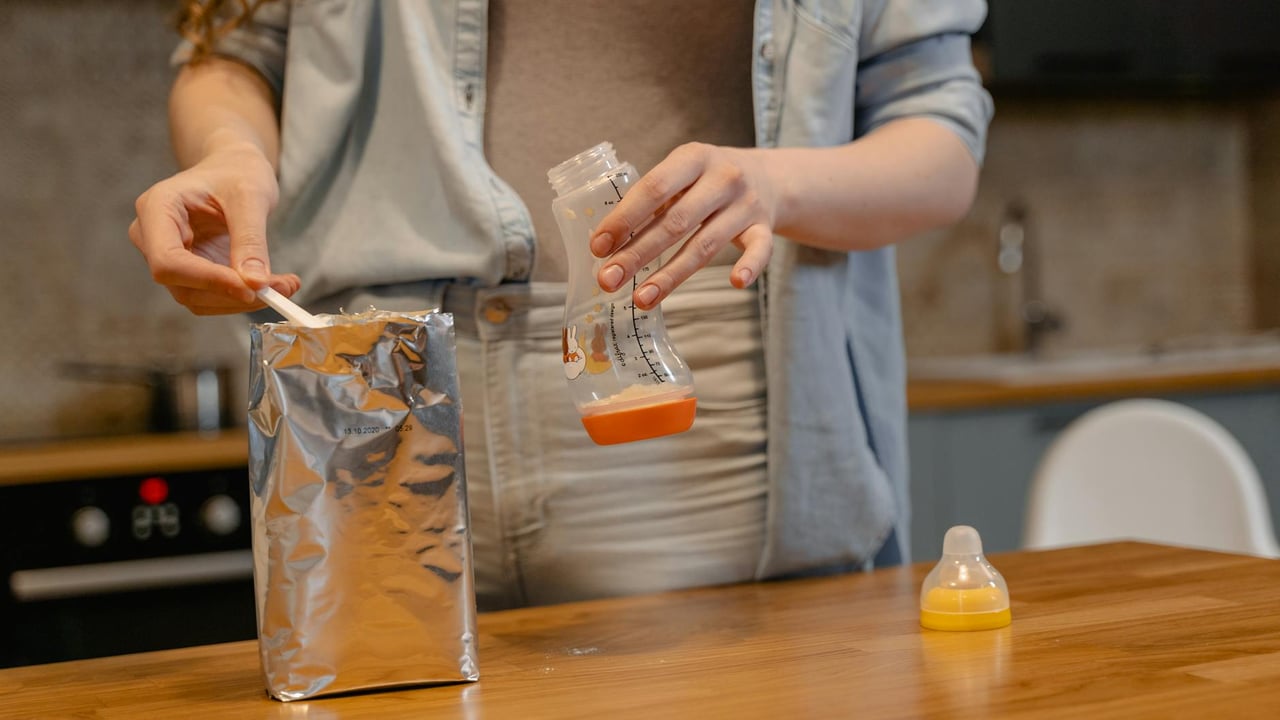

The specter of food safety has returned to haunt China’s dairy industry after Hong Kong health authorities ordered a preventive recall of a flagship infant formula brand. The Hong Kong Centre for Food Safety (CFS) announced on May 31 that a sample of Yili’s 'Jinlingguan Zhenhu Platinum' Step 3 formula tested positive for the heat-resistant toxin Cereulide, produced by the bacteria Bacillus cereus. The discovery has triggered an immediate halt in sales and a voluntary recall by the local importer.
While the CFS has not yet received reports of illness, the nature of the toxin has raised significant alarm among pediatric health experts. Unlike many common pathogens, Cereulide is remarkably resilient; it can withstand temperatures as high as 121°C for 90 minutes and remains active despite exposure to digestive enzymes or acidic environments. For infants with developing immune systems, the toxin can cause projectile vomiting and severe dehydration within hours of ingestion.
The affected batch, produced in Inner Mongolia in April 2025, consists of 1,320 cans, of which approximately 488 have been successfully seized and sealed by authorities. The importer, Hong Kong Jinze Trading, issued a statement characterizing the recall as a 'preventive voluntary' measure, emphasizing their commitment to consumer responsibility while noting that the presence of the toxin had not been definitively linked to a wider outbreak. Nevertheless, the incident serves as a stark reminder of the rigorous testing protocols maintained by Hong Kong’s regulatory framework.
For Yili, China’s largest dairy producer, the timing of this recall is particularly sensitive. The Jinlingguan line is a premium product designed to compete with international brands that have dominated the high-end market since the 2008 melamine scandal. As domestic brands struggle to rebuild long-term consumer confidence, any localized failure in quality control—especially regarding a pathogen as hardy as Bacillus cereus—threatens to ripple across the broader market and stall the industry's hard-won recovery.