
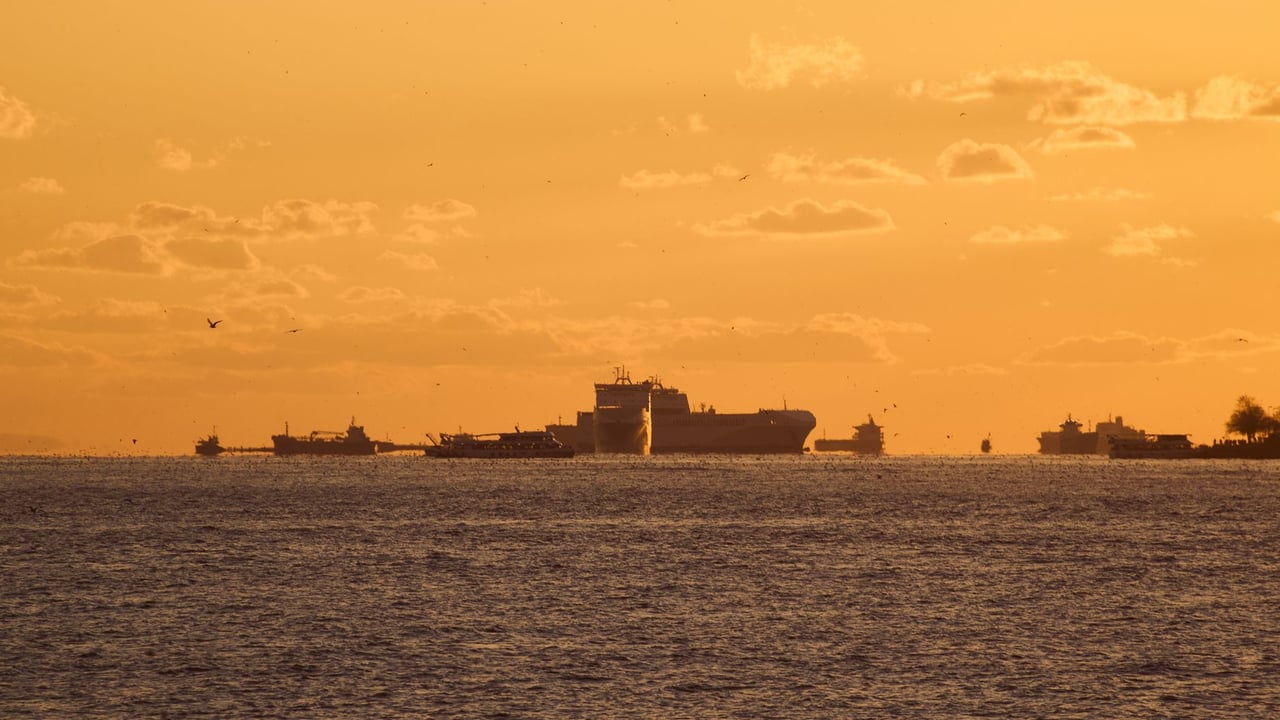

The Strait of Hormuz, once the throbbing jugular of global energy, has become a ghost-filled corridor of clandestine movements. In the three weeks following the escalation of military strikes by the United States and Israel against Iranian targets, the flow of commerce has slowed from a torrent to a trickle. Recent disclosures from U.S. officials reveal that the military has "quietly" guided roughly 70 merchant vessels through these volatile waters, a fraction of previous volumes.
While the current pace of three ships per day might suggest a nascent recovery, it pales in comparison to the pre-conflict era when over 100 ships transited the narrow chokepoint every single day. These operations are conducted under a veil of operational security, with vessels reportedly disabling their transponders to avoid detection. U.S. forces have steered these ships along routes closer to the Omani coast, intentionally distancing the hulls from the reach of Iranian coastal batteries.
The strategic reality remains grim, as the current level of maritime activity signifies that the global economy is far from reclaiming the stability it once took for granted. This limited success highlights the friction within the regional alliance, particularly following the abrupt suspension of the broader "Project Freedom" initiative. That ambitious plan was designed to clear the bottleneck but faced immediate political hurdles.
Project Freedom was reportedly halted by President Trump after a significant diplomatic fallout with Riyadh. Saudi authorities expressed sharp dissatisfaction over a perceived lack of prior coordination regarding the military operation, subsequently denying the U.S. military access to critical bases and sovereign airspace. This rift has severely hampered the Pentagon’s ability to project the necessary power to fully secure the shipping lanes.
Central Command (CENTCOM) is now pivoting toward a model of communication and "coordination" rather than direct, overt escorts. Spokesman Tim Hawkins emphasized that while the military is no longer providing formal escorts, it remains in contact with merchant vessels seeking safe passage. However, without the full cooperation of Gulf allies, the U.S. is forced to operate in the shadows, leaving the maritime industry in a state of perpetual anxiety.