The Gilded Retreat: China’s Gold Sector Faces a $20 Billion Reality Check

China's gold sector is experiencing a severe downturn with stock prices for major miners like Shandong Gold falling by more than 50% this year. In response, major shareholders have canceled divestment plans, while regulators and banks are easing trading restrictions to stabilize the market and attract retail buyers.

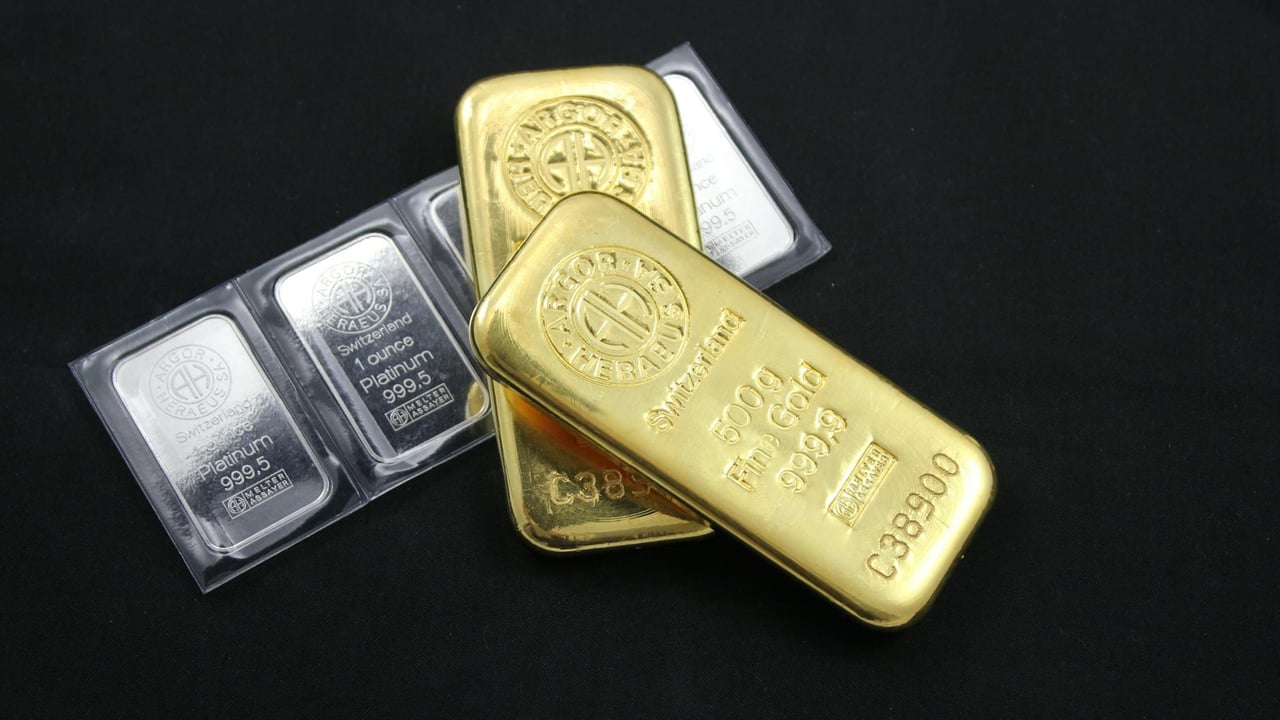
Close-up of gold and platinum bars depicting wealth and investment potential.

Key Takeaways

  • 1A-share gold stocks have experienced an average drawdown of over 40% this year, making them the worst-performing sector in the market.
  • 2Shandong Gold's market value has been halved, dropping from a January high of 65.55 RMB to approximately 28.87 RMB.
  • 3Major listed companies including Western Gold, Hengbang, and Caibai have terminated share-reduction plans due to unfavorable market prices.
  • 4The Shanghai Gold Exchange (SGE) has lowered margin requirements for gold and silver contracts to manage systemic risk and support liquidity.
  • 5Top commercial banks like ICBC and CCB have downgraded the risk ratings of gold investment products to encourage retail entry following the price correction.

Editor's
Desk

Strategic Analysis

The current collapse in Chinese gold stocks highlights a classic 'bull trap' where retail and institutional fervor overshot the underlying commodity's fundamentals. While gold often serves as a hedge against economic uncertainty in China, the extreme volatility of A-shares has transformed it into a speculative liability. The coordinated response by the Shanghai Gold Exchange and major state-owned banks is particularly telling; it suggests that Beijing is uncomfortable with the speed of the descent. By lowering margins and risk ratings, authorities are attempting to manufacture a 'soft landing' for the sector. However, the reluctance of major shareholders to sell at these levels indicates a standoff between current valuations and long-term corporate expectations, suggesting that while the floor may be near, a rapid recovery is unlikely without a significant macro-catalyst.

China Daily Brief Editorial
Strategic Insight
China Daily Brief

The luster has rapidly faded for China’s gold investors as the A-share precious metals sector enters a punishing correction. Once the darling of defensive portfolios, the industry is now reeling from a systemic sell-off that has wiped an average of 40% off the value of major mining stocks. Shandong Gold, a heavyweight with a market capitalization exceeding 130 billion RMB, has seen its share price plunge by over 50% from its yearly high, signaling a broader loss of confidence in the sector’s immediate upside.

This dramatic depreciation has fundamentally disrupted the capital strategies of China's gold giants. Major shareholders at firms like Western Gold and Hengbang have been forced to scrap or drastically scale back their planned divestment programs. The logic is simple: current market valuations have fallen so far below intrinsic expectations that selling now would represent a catastrophic loss of value. For many corporate insiders, the strategic 'exit window' that looked promising in January has effectively slammed shut.

Regulators and financial institutions are now pivoting from cooling a feverish market to preventing a total collapse in liquidity. The Shanghai Gold Exchange (SGE) recently lowered margin requirements and narrowed daily price limits across several gold and silver contracts. These technical adjustments are designed to reduce the cost of trading and mitigate the risk of forced liquidations during periods of high volatility, reflecting a cautious shift toward market stabilization.

Parallel to these exchange-level moves, China’s commercial banking giants are lowering the barriers for retail participation. Both ICBC and China Construction Bank have recently downgraded the risk ratings for their 'gold accumulation' products, reversing the restrictive measures implemented during the price surge earlier this year. By lowering the required investor risk-tolerance levels, banks are effectively signaling that the current price floor offers a safer entry point for the average consumer, even as the broader market remains skittish.

Share Article

Related Articles

📰
No related articles found