
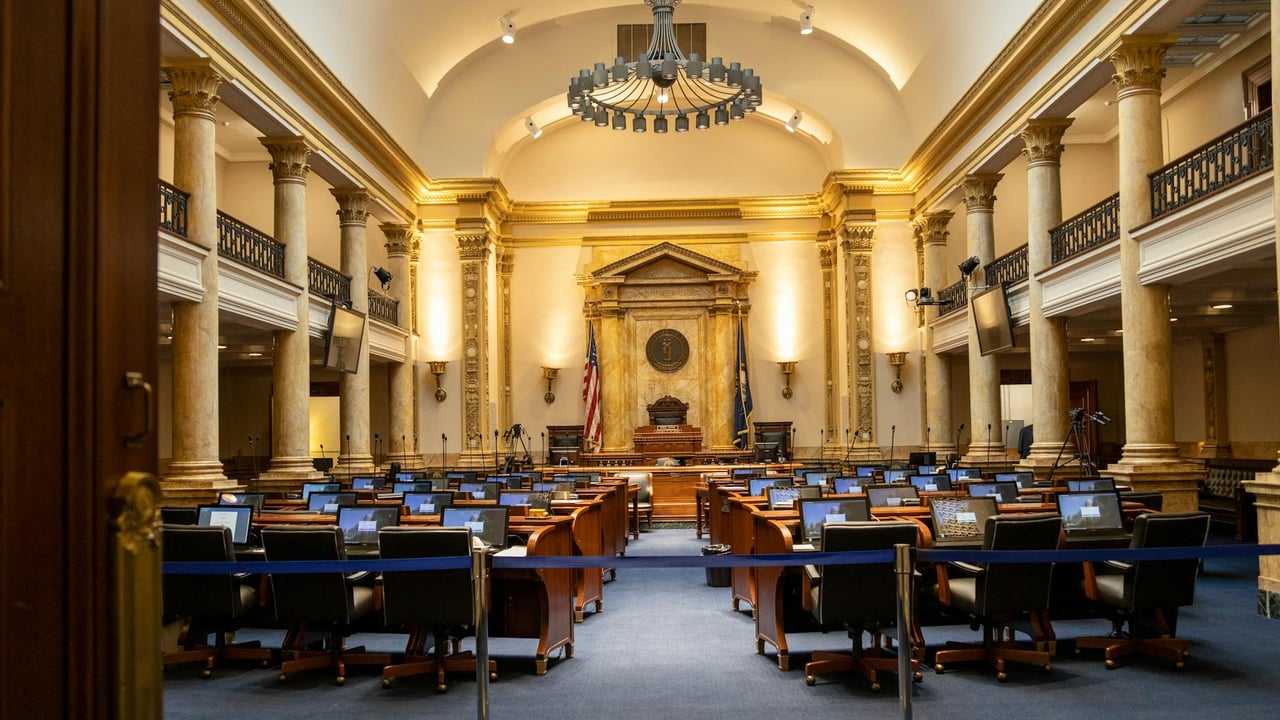

The halls of the U.S. Senate are echoing with a familiar and haunting skepticism as lawmakers confront the prospect of a full-scale military engagement with Iran. In a blistering critique that has resonated across global media, a prominent senator has labeled the current trajectory toward war a grave policy failure, alleging that the justifications for intervention are constructed on a foundation of falsehoods. This internal rift arrives at a precarious moment for American foreign policy, as the administration struggles to maintain a unified front against Tehran’s regional influence.
The rhetoric mirrors the disillusionment of the post-9/11 era, specifically the intelligence failures that preceded the 2003 invasion of Iraq. By framing the current intelligence as lies, dissenting voices in Washington are tapping into a deep-seated public fatigue with forever wars and the perceived manipulation of national security data for geopolitical ends. This domestic friction is not merely a political spat; it risks paralyzing the executive branch’s ability to project strength in a region already on the brink of a broader conflagration.
For international observers, the Senator’s remarks signal a significant breakdown in the bipartisan consensus that once governed American posture in the Middle East. If the administration cannot convince its own legislature of the necessity of its actions, it faces an uphill battle in securing the cooperation of European and Asian allies who are equally wary of the economic and humanitarian costs of a Persian Gulf war. The skepticism also provides fertile ground for adversaries to portray American leadership as erratic and untrustworthy on the world stage.
As the 2026 political calendar advances, the debate over Iran is poised to become a defining wedge issue for the American electorate. The fallout from these allegations of dishonesty could potentially shift the balance of power in Congress, leading to a more isolationist or constrained foreign policy. For now, the global community remains on edge, watching whether the internal dissent in Washington will act as a brake on military escalation or merely serve as a footnote to another cycle of intervention.