

Meituan, once viewed primarily as a consumer-facing delivery giant, is undergoing a profound strategic transformation into a technology powerhouse. The company's Q1 2026 financial results reveal a significant narrowing of operating losses, which dropped to 6.5 billion RMB from 16.1 billion RMB in the previous quarter. However, the true narrative lies beneath the balance sheet, where a 22% surge in research and development spending signals a decisive shift toward what CEO Wang Xing calls "Physical AI."
Unlike traditional tech competitors focusing on purely digital large language models (LLMs), Meituan is leveraging its massive on-the-ground logistics network to bridge the gap between the digital and physical worlds. The company’s newly unveiled LongCat-2.0-Preview model, boasting over a trillion parameters and trained entirely on domestic compute clusters, is not just a chatbot. It is the brain behind a suite of tools designed to automate the complexities of local commerce, from AI assistants serving 100 million users during peak holidays to "smart shopkeepers" supporting 700,000 merchants.
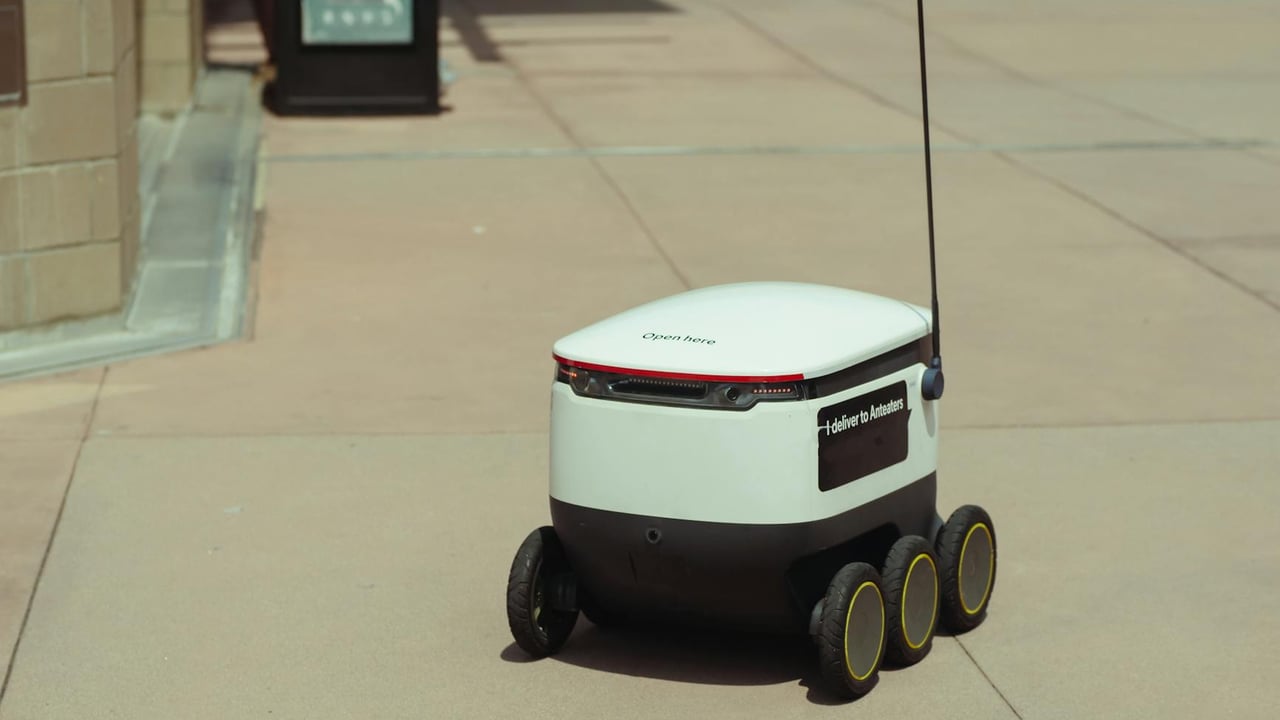
Meituan’s competitive edge in the AI race is its unrivaled access to real-world data. With a delivery network spanning over 2,800 cities and counties, the company possesses a unique "physical laboratory" for training autonomous systems. This is most evident in its low-altitude logistics network, where Meituan drones have now surpassed 900,000 commercial orders globally. By integrating AI into the chaotic variables of urban delivery, Meituan is building a barrier to entry that digital-only platforms cannot easily replicate.
Parallel to its internal R&D, Meituan has quietly assembled one of China’s most formidable venture portfolios in "hard tech." The company is now the largest external shareholder in Unitree Robotics and holds significant stakes in high-profile unicorns like Zhipu AI and Moonshot AI. This investment strategy creates a symbiotic ecosystem: Meituan provides the real-world scenarios and data for training, while its portfolio companies provide the cutting-edge hardware and algorithmic breakthroughs in embodied intelligence and semiconductors.
As the era of easy growth in consumer internet subsides, Meituan is betting that its future lies in the automation of the physical economy. The company’s transition from a "retail + technology" strategy to a "Physical AI" platform represents a long-term play to dominate the infrastructure of future urban life. While the path to profitability remains a work in progress, the deepening integration of AI into its core operations suggests that Meituan is no longer just delivering meals—it is engineering the autonomous nervous system of Chinese cities.