
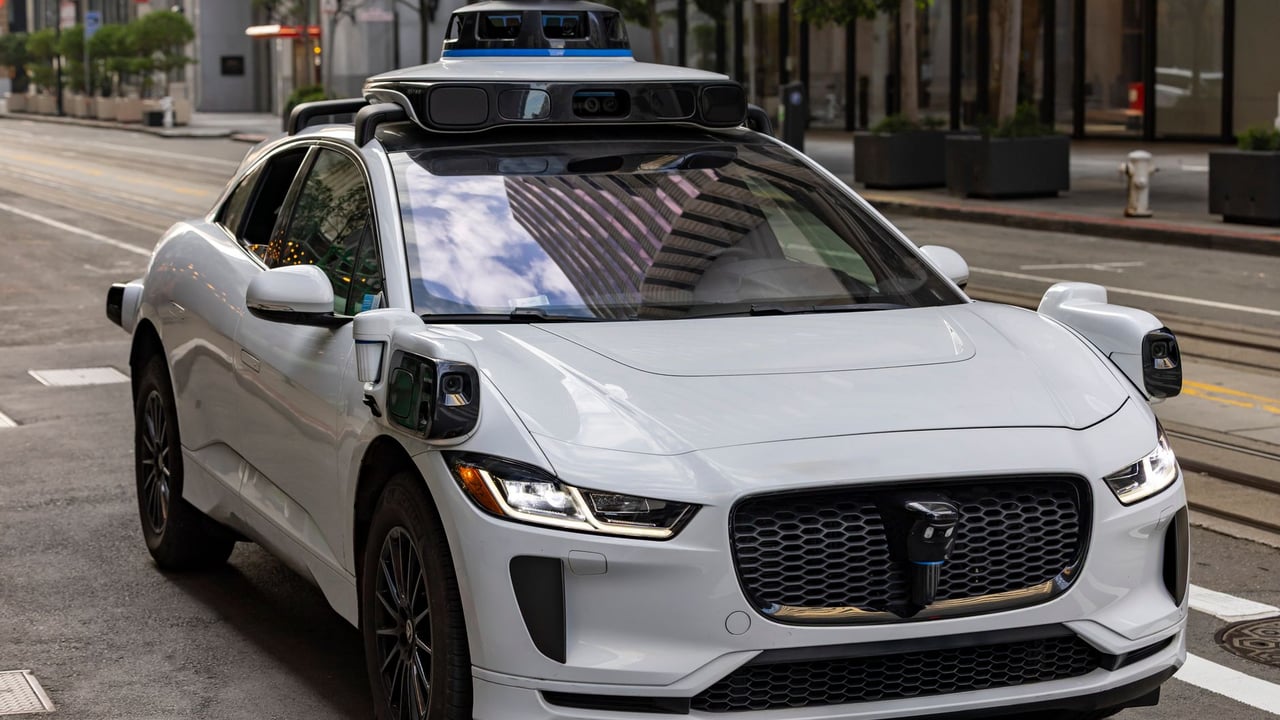

Shenzhen is once again positioning itself as the vanguard of China’s technological transition, this time by addressing the regulatory and financial friction points of the autonomous driving revolution. The city's financial and industrial regulators have jointly issued a sweeping directive aimed at fostering high-quality insurance products tailored specifically for new energy vehicles (NEVs) and smart driving systems. This move signals a shift from purely technical testing to the creation of a sustainable commercial ecosystem for driverless transport.
At the heart of the new policy is a call for property insurance companies to pioneer comprehensive coverage for autonomous taxis, buses, and logistics fleets. While the technology for Level 4 autonomy has matured rapidly in Chinese tech hubs, the lack of standardized insurance frameworks has remained a significant barrier to large-scale commercialization. By encouraging dedicated products for 'Vehicle-Road-Cloud' integration, Shenzhen is effectively building the legal and financial safety net required for a world where the driver is an algorithm.
The directive also tackles the persistent headaches of the consumer NEV market, where owners often face significantly higher premiums than their internal combustion counterparts. To address this, regulators are proposing a 'base + variable' pricing model and flexible coverage for the millions of part-time ride-hailing drivers who operate in the gig economy. These measures aim to make NEV ownership more economically viable while reflecting the unique risk profiles of software-defined vehicles.
Furthermore, the policy looks beyond China’s borders, urging the insurance industry to build global service networks that support the 'going global' strategy of domestic automakers. By utilizing co-insurance and reinsurance mechanisms, Shenzhen seeks to provide a robust risk-management foundation for Chinese EVs as they navigate complex international regulatory landscapes. This comprehensive approach ensures that Shenzhen remains not just a manufacturing hub, but a global architect of future mobility standards.