
# new energy vehicles
Latest news and articles about new energy vehicles
Total: 24 articles found
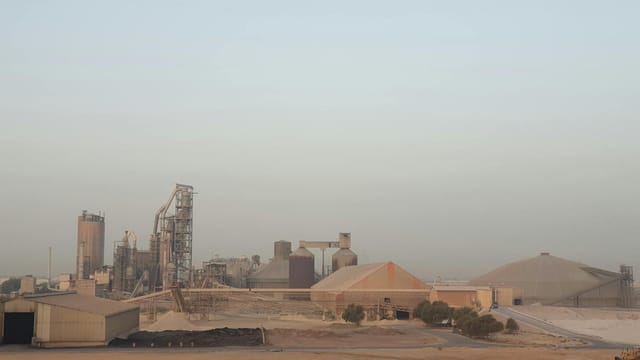
China’s Factories Keep Chugging: Industrial Output Rises 6.3% as Electronics and Equipment Outpace Autos
China’s industrial output rose 6.3% year‑on‑year in January–February 2026, led by manufacturing and a strong performance in electronics and heavy equipment. The private sector expanded fastest, while automobile and new‑energy vehicle production fell sharply, highlighting uneven demand across industries.

China’s Car Market Stumbles in February as Exports and Finance Deals Cushion the Blow
February retail sales of passenger cars in China plunged 25.4% year‑on‑year to about 1.034 million units, with domestic independent brands hardest hit. Automakers have responded with long‑tenor, low‑interest financing to boost demand, while exports—especially of new energy vehicles—hit record highs and provided an offset to the domestic slowdown.
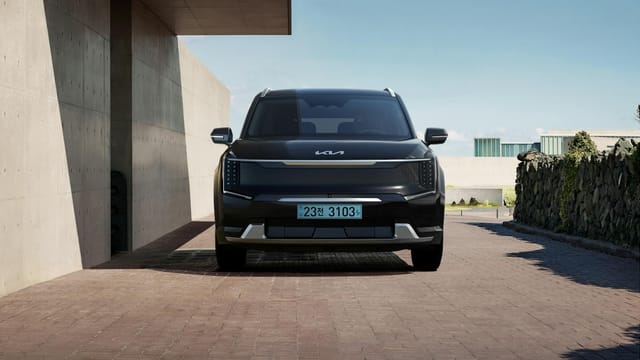
Domestic Upset: AITO M9 Tops China’s EV Resale Rankings as Low Residuals Shadow Market
China’s February 2026 NEV residual-value report shows domestic models leading short-term resale charts: AITO’s M9 tops both one-year pure-electric and plug-in hybrid lists. Yet the sector faces a wider headache as three-year retention for NEVs remains well below that of petrol cars, driven by fast tech obsolescence, high battery costs and aggressive new-car pricing.

China auto executive urges policy parity for petrol and electric cars to kick‑start consumption
Liu Yiyan, a SAIC Volkswagen executive and NPC deputy, has proposed that China stop differentiating between conventional and new energy vehicles in future subsidy and policy design, and accelerate measures to boost auto consumption, finance, autonomous driving laws, and AI‑auto talent development. Her recommendations aim to unlock short‑term demand while urging clearer legal frameworks for automated vehicles and deeper ties between industry and education.

China Pushes Auto Demand with Provincial Trade‑In Schemes as New EV Makers Rack Up Deliveries and Xiaomi Unveils Supercar Concept
Provincial rollouts of China’s 2026 vehicle subsidy and trade‑in rules aim to stabilise car demand and accelerate fleet renewal, with Shenzhen offering significant purchase rebates for NEVs and small petrol cars. February delivery figures show strong volumes from several new EV makers and mixed results among incumbents, while Xiaomi’s Vision GT concept and ADAS usage data underscore the sector’s technological pivot and intensifying competition.
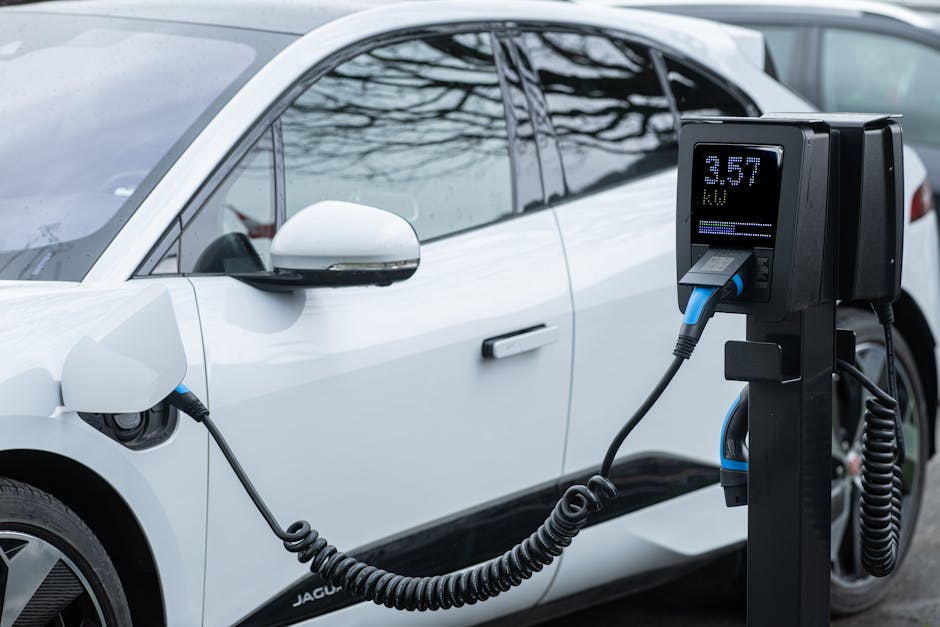
China’s EV Upstarts Hit a Chilly February — Winners Hold Ground, XPeng Slumps as Market Shifts from Volume to Tech
February deliveries among China’s new EV makers showed divergence: Leapmotor, Li Auto and NIO returned to roughly 20,000‑unit monthly ranges, while XPeng’s sales halved year‑on‑year. The slowdown reflects a long Lunar New Year holiday and fading tax incentives, but also signals a strategic pivot across the sector toward charging networks, AI features and global expansion.
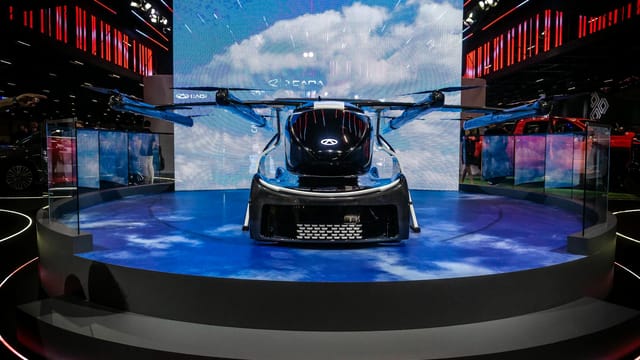
Li Auto Keeps Up Momentum — February Deliveries Reach 26,421 as Cumulative Sales Top 1.59 Million
Li Auto reported 26,421 vehicle deliveries in February 2026, lifting its cumulative deliveries to 1,594,304. The figure signals continued demand for the company’s family‑oriented new‑energy vehicles, even as it contends with safety concerns and intensifying competition in China’s EV market.

China’s 2025 Economy: Modest 5% Growth, Deep Property Slump and Accelerating Clean‑Tech Transition
China’s economy grew 5.0% in 2025 to about 140.2 trillion yuan ($19.6 trillion), driven by services and export resilience even as a deep real‑estate correction and a first population decline in decades weigh on domestic demand. Industrial upgrading and a rapid clean‑energy expansion — notably in solar, wind and new‑energy vehicles — stand out, while investment and fiscal indicators point to a cautious, targeted policy approach.

BYD and Geely Target Mexican Assembly Plant as China Accelerates a North American Push
BYD and Geely have been named among finalists to buy a Nissan–Mercedes‑Benz plant in Guanajuato, Mexico, a strategic asset that would provide tariff‑free access to the U.S. and Canada under USMCA. The potential deal reflects a broader shift: China’s auto exports surged in 2025, and Mexico became the largest destination for Chinese vehicles, as manufacturers pursue local production to deepen their foothold in the Americas.

Coastal Giants Still Spend Most as Inland Provinces Drive China’s 2025 Retail Surge
In 2025 Jiangsu, Guangdong and Shandong were China’s largest retail markets, each topping four trillion yuan in social retail sales, while inland provinces Shaanxi, Hebei and Henan posted the fastest growth. The patterns reflect structural differences in population, urbanisation and targeted subsidy policies, with implications for China’s domestic demand strategy and foreign firms seeking Chinese market opportunities.
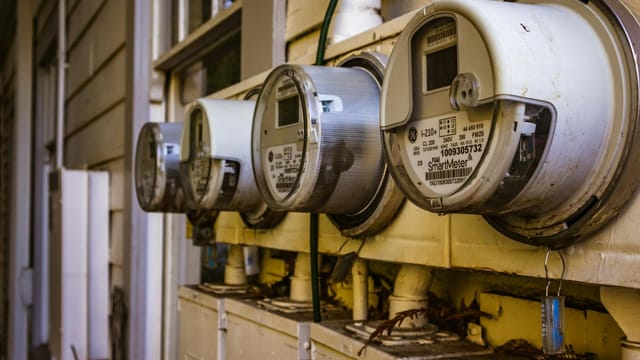
China’s New ‘No.1’ Policy Pushes EVs, Smart Appliances and Green Materials into the Countryside to Drive Rural Consumption
China’s central No.1 document for the new Five‑Year period targets a boost to rural consumption by promoting NEVs, smart appliances and green building materials in the countryside and by improving recycling systems. Recent data show rural retail growth already outpaced urban areas in 2025, and policymakers hope to translate rising rural incomes into sustained demand, while facing infrastructure and implementation challenges.

Chengdu–Chongqing Reunited: China’s Western Twin-Cities Top 10 Trillion Yuan and Redraw Regional Balance
Sichuan and Chongqing together have surpassed 10 trillion yuan in GDP, underscoring the re-emergence of the Chengdu–Chongqing twin-city economic corridor as China’s largest western growth pole. The milestone reflects not just fiscal transfers and infrastructure spending but the maturation of industrial clusters in electronics, advanced manufacturing and new energy.