Beijing Asserts 'Sovereign Right' to Operations in Disputed Scarborough Shoal

China's Foreign Ministry has reaffirmed its claim to Scarborough Shoal, describing its maritime activities as a matter of sovereign right. This stance highlights Beijing's continued rejection of international legal rulings and signals persistent tensions with the Philippines and its allies.

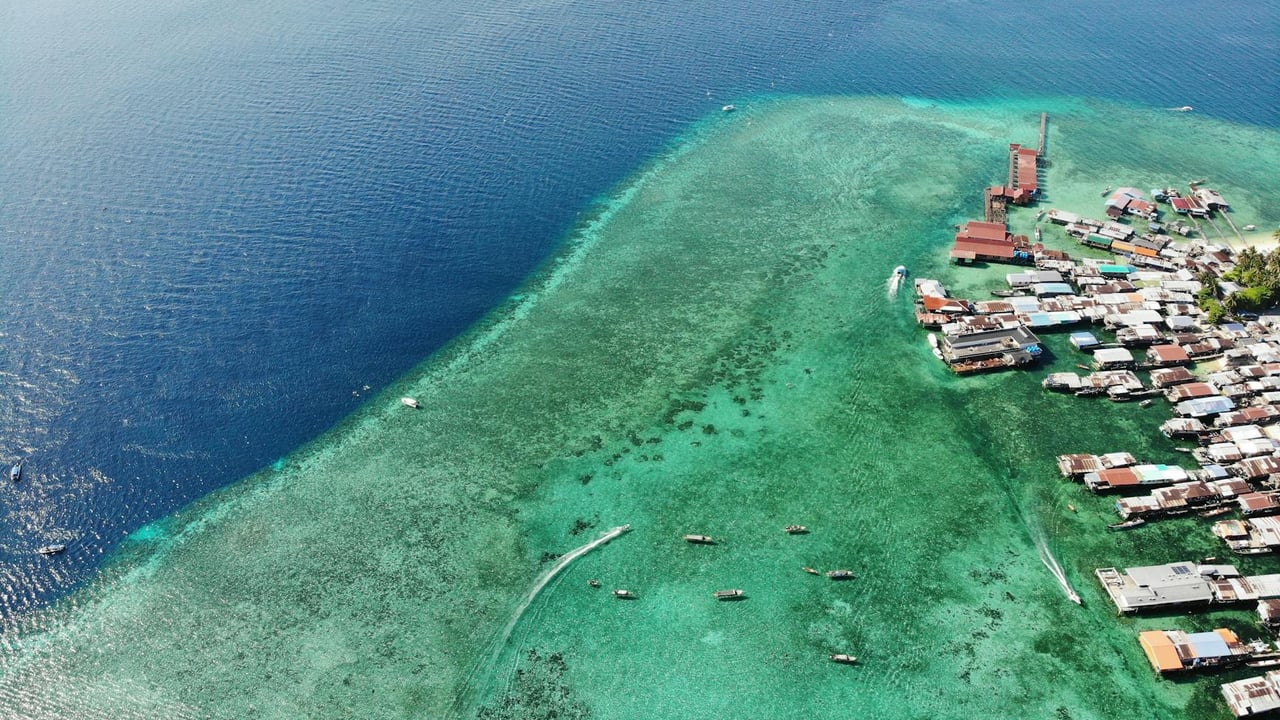
Boats floating on rippling endless sea near island with various residential houses in tropical country on summer day in nature

Key Takeaways

  • 1China officially categorized its activities at Scarborough Shoal as 'legitimate sovereign rights'.
  • 2The statement reinforces Beijing's refusal to recognize the 2016 South China Sea arbitration ruling.
  • 3Scarborough Shoal remains a critical strategic point for maritime control and regional security.
  • 4The rhetoric signals a potential increase in 'gray zone' tactics to enforce territorial claims.

Editor's
Desk

Strategic Analysis

Beijing's latest framing of 'legitimate rights' is a calculated move to normalize its presence in the South China Sea while delegitimizing the legal objections of the Philippines and the United States. By moving beyond mere territorial claims to the language of 'sovereign exercise,' China is attempting to create a 'new normal' where its maritime enforcement is seen as an internal administrative matter rather than a geopolitical provocation. For global observers, this indicates that the Chinese Communist Party is prepared to endure significant reputational and diplomatic costs to maintain its strategic foothold, suggesting that any future 'Code of Conduct' negotiations will be heavily skewed toward Beijing’s terms.

China Daily Brief Editorial
Strategic Insight
China Daily Brief

The Chinese Ministry of Foreign Affairs has once again reinforced its firm stance regarding the South China Sea, declaring that all activities conducted at Scarborough Shoal—known in China as Huangyan Island—are the 'legitimate rights' of a sovereign state. This latest assertion comes at a time of heightened friction between Beijing and Manila, as both nations grapple for control and influence over the resource-rich waters that remain a primary flashpoint in the Indo-Pacific.

Beijing’s rhetoric underscores a long-standing refusal to acknowledge the 2016 Permanent Court of Arbitration ruling, which invalidated China’s expansive 'nine-dash line' claims. By framing its maritime presence as a fundamental exercise of sovereignty, the Chinese leadership is signaling to both regional neighbors and the international community that its territorial integrity is non-negotiable, regardless of external diplomatic or legal pressures.

The strategic importance of Scarborough Shoal cannot be overstated. Situated just 120 nautical miles from the Philippine coast, the feature serves as a crucial gateway for monitoring naval movements and securing fishing grounds. For China, maintaining a permanent presence there is essential to its broader goal of achieving maritime dominance within the 'first island chain' and pushing back against the perceived 'containment' strategy led by the United States.

This hardening of positions suggests that a diplomatic resolution remains elusive. As Beijing continues to deploy coast guard vessels and maritime militia to enforce its claims, the risk of miscalculation or accidental kinetic conflict increases. The situation at Scarborough Shoal has become a litmus test for the resilience of international maritime law versus the reality of regional power politics.

Share Article

Related Articles

📰
No related articles found