
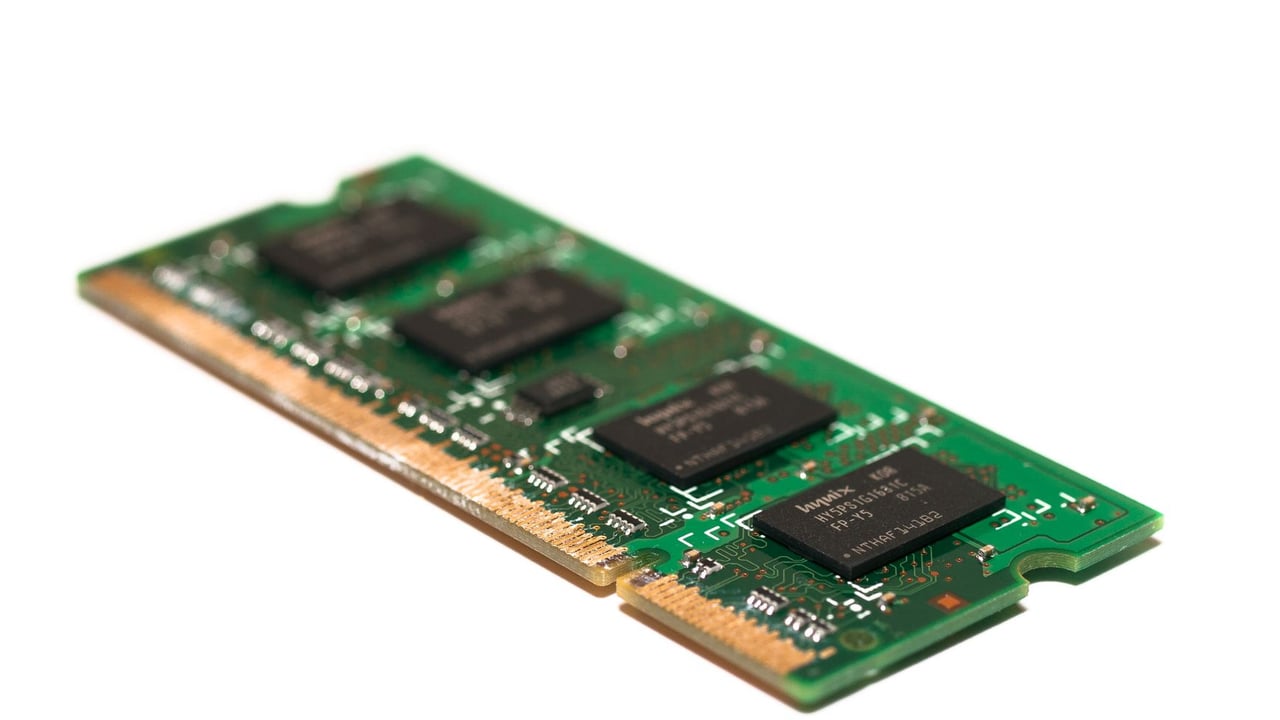

For months, the narrative surrounding China’s electric vehicle market was one of relentless price wars and razor-thin margins. However, a sudden spike in the cost of automotive-grade memory chips is forcing a tactical retreat. Over the last ninety days, these critical components have seen prices skyrocket by 180%, sending shockwaves through the supply chains of the world’s most advanced NEV (New Energy Vehicle) sector.
In showrooms across Beijing, the impact is already visible to consumers. Sales staff report that while base sticker prices for some models remain steady, the cost of technology-heavy add-ons is climbing. One popular autonomous driving hardware package recently jumped from 9,900 yuan to 12,000 yuan, a direct response to the ballooning cost of the storage hardware required to process vast amounts of sensor data.
This trend is not isolated to a single manufacturer. At least ten major Chinese NEV makers have recently adjusted their pricing strategies, either through outright price hikes or by significantly tightening previous sales incentives. These adjustments typically range between 2,000 and 6,000 yuan per vehicle, a shift that signals a temporary cooling of the aggressive discounting that defined the market in early 2024.
While EV makers grapple with rising hardware costs, the traditional internal combustion engine (ICE) sector is moving in the opposite direction. Gas-powered vehicles continue to see deep discounts, with promotional intensity hovering at a high of 23% for nine consecutive months. This divergence highlights a growing paradox: while EVs are becoming the technologically superior choice, their reliance on a volatile semiconductor market makes them increasingly susceptible to external supply chain shocks that their analog predecessors simply do not face.