A Terminal Dispute: Tehran and Washington Clash Over Kuwait Airport Blast

Iran and the United States are trading accusations following damage to a terminal at Kuwait International Airport. Tehran claims a malfunctioning U.S. Patriot missile caused the damage, while Washington has issued an official denial, heightening regional tensions.

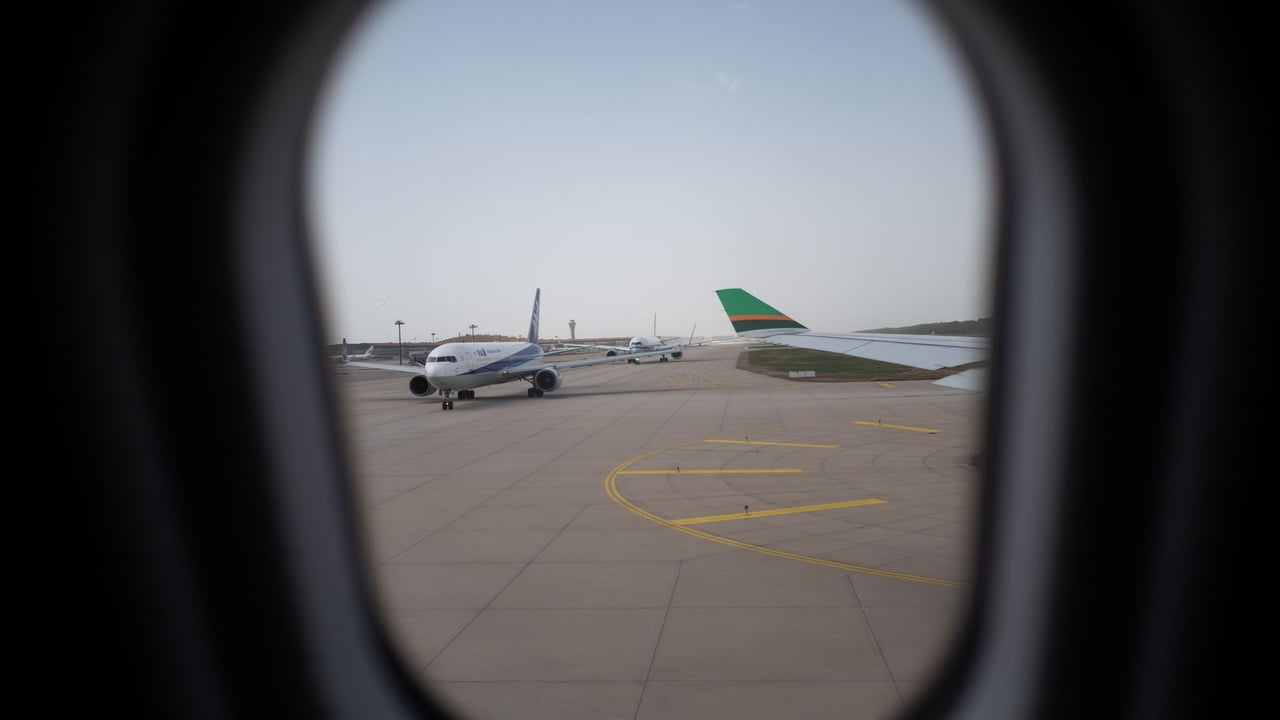
Airplane seen through a window, parked on the airport runway, capturing a travel moment.

Key Takeaways

  • 1The IRGC denied launching any missiles at Kuwait International Airport.
  • 2Iran claims the terminal damage resulted from a failed U.S. Patriot missile interceptor falling to the ground.
  • 3U.S. Central Command (CENTCOM) has officially denied the Iranian claims.
  • 4The incident occurred during a period of heightened regional tension in June 2026.
  • 5Kuwait’s civilian infrastructure has become a focal point in the ongoing U.S.-Iran information war.

Editor's
Desk

Strategic Analysis

This blame game is less about the physical damage to Kuwait's airport and more about the credibility of the U.S. 'security umbrella' in the Middle East. By attributing the damage to a Patriot missile failure, Tehran is employing a sophisticated psychological operation designed to sow doubt among Gulf states regarding the efficacy of American defense technology. If America's allies begin to perceive U.S. defensive systems as more of a liability than a shield, it creates a vacuum for Iran to expand its regional influence. Conversely, the U.S. denial is a mandatory move to maintain the market dominance and perceived reliability of its defense exports, which are essential for maintaining the current balance of power against Iranian drone and missile capabilities.

China Daily Brief Editorial
Strategic Insight
China Daily Brief

A sudden eruption of damage at Kuwait International Airport’s passenger terminal has rapidly evolved from a localized incident into a high-stakes diplomatic and military dispute between Tehran and Washington. While structural damage was reported at the primary aviation hub, the cause remains a point of fierce contention that reflects the volatile security landscape of 2026.

Officers from Iran’s Islamic Revolutionary Guard Corps (IRGC) have officially denied launching any projectiles toward Kuwait, instead pivoting the narrative toward American military presence. Tehran asserts that the destruction was actually caused by a malfunctioning interceptor from a U.S.-manufactured Patriot missile defense system, which they claim fell back to earth after a failed deployment.

The U.S. Central Command (CENTCOM) has issued a sharp rebuttal, dismissing the IRGC’s claims as a strategic fabrication. For the United States, the integrity of its missile defense systems is not just a technical matter, but a pillar of its security architecture in the Gulf. Any perceived failure of the Patriot system would challenge the reliability of U.S. protection for its strategic partners in the region.

This incident highlights the precarious position of Kuwait, which often serves as a neutral mediator in regional frictions. As the investigation continues, the focus remains on whether the damage was the result of a direct strike or a technical failure of defensive measures. The outcome will likely influence the defense procurement policies and security trust levels between the GCC nations and their Western allies.

Share Article

Related Articles

📰
No related articles found