
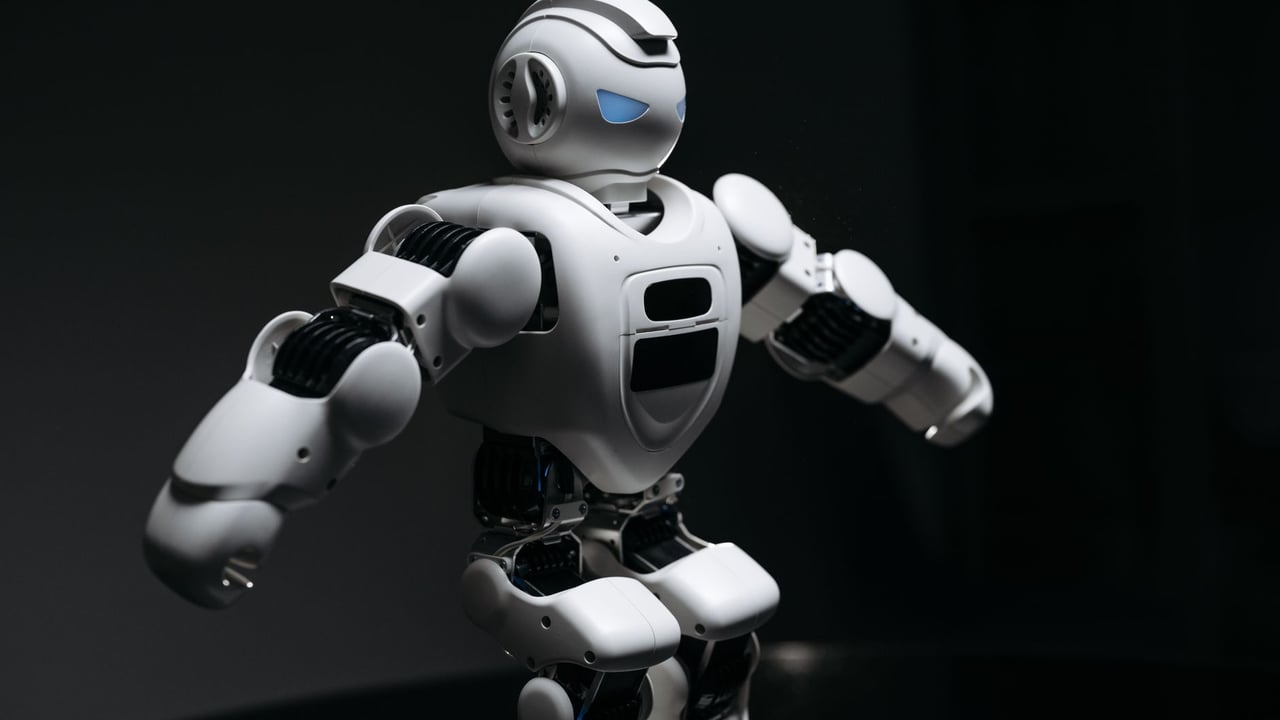

Speculation regarding a secret robotics project at BYD has reached a fever pitch, following unverified reports that the Chinese electric vehicle titan was preparing to deploy an army of 20,000 humanoid robots across its manufacturing facilities. The rumored project, reportedly codenamed 'Yao Shun Yu'—invoking the names of China’s legendary sage kings—was said to be slated for full internal integration by 2026. However, BYD has officially issued a denial, attempting to quell the hype surrounding what many saw as a direct challenge to Tesla’s 'Optimus' program.
While the specific details of the 'Yao Shun Yu' project may be fabricated, the rumor highlights the intense pressure on global automotive leaders to diversify into general-purpose robotics. As the world’s largest manufacturer of plug-in vehicles, BYD possesses the unique vertical integration and battery expertise required to power complex mobile hardware. This perceived synergy has made the market particularly sensitive to any sign that the Shenzhen-based company is moving beyond the assembly line and into the realm of autonomous bipedal labor.
Despite the current denial, BYD’s footprint in the robotics ecosystem is undeniable and growing. The company has previously collaborated with Nvidia to integrate Isaac robotics platforms and has made strategic investments in Chinese startups like Agibot, which was founded by a former Huawei genius. These moves suggest that while a 20,000-unit deployment might be premature, the strategic logic of using robots to insulate the company from China’s shrinking manufacturing workforce remains a core long-term objective.
The automotive industry is increasingly viewed as a training ground for the broader AI and robotics revolution. Techniques perfected in autonomous driving—such as computer vision, sensor fusion, and path planning—are directly transferable to humanoid form factors. By dismissing these rumors now, BYD may be managing expectations while it continues to refine its underlying technological stack away from the public eye, avoiding the premature 'prototype' pitfalls that have occasionally plagued its competitors.