Trump’s Shadow Diplomacy: A High-Stakes Intervention in the Iran-Israel Brinkmanship

Donald Trump and Benjamin Netanyahu held two urgent calls in less than 24 hours as Israel and Iran exchanged direct military strikes. The high-level dialogue coincided with a temporary pause in Iranian military action, highlighting a shift in how Middle Eastern diplomatic crises are being managed.

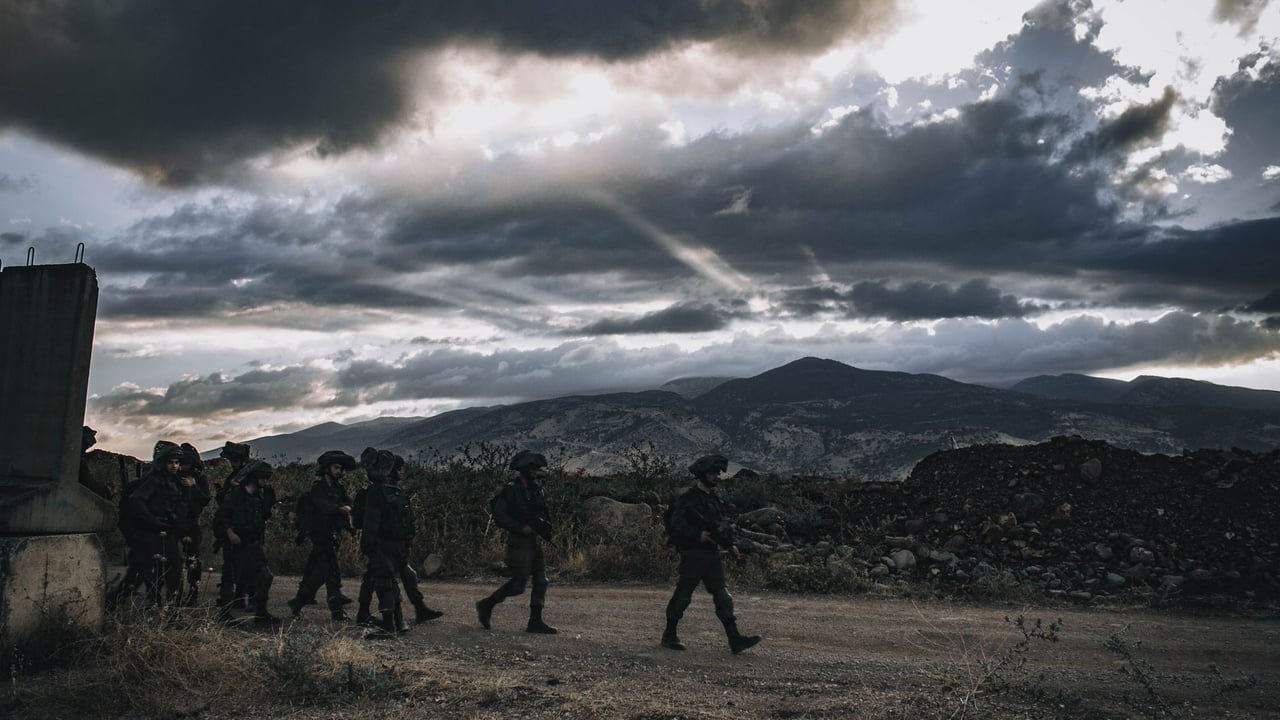
A group of soldiers march through a rugged landscape under a threatening sky in Israel.

Key Takeaways

  • 1Trump and Netanyahu spoke twice between June 7 and June 8, 2026, amid direct military conflict.
  • 2Trump reportedly advised the Israeli Prime Minister to delay retaliatory strikes against Iran.
  • 3The calls preceded Iran's announcement that it would temporarily halt military operations against Israel.
  • 4Military exchanges included Israeli strikes on Beirut and Iran, alongside Iranian missile barrages toward Israel.
  • 5Tehran warns that more 'destructive' measures will follow if Israeli operations in southern Lebanon continue.

Editor's
Desk

Strategic Analysis

The frequency of these calls reveals a significant shift in the locus of diplomatic power. By intervening directly, Trump is positioning himself as the primary arbiter of Israeli security policy, effectively sidelining conventional State Department channels. This 'personalist' diplomacy can provide immediate de-escalation by offering Netanyahu a political 'off-ramp' that an official U.S. demand might not. However, it also creates a precarious situation where regional stability relies on the volatile relationship between two leaders rather than institutional agreements. If Iran perceives that the U.S. is operating with a dual-track foreign policy, it may lead to miscalculations regarding where the actual 'red lines' lie, potentially leading to a more catastrophic escalation if these private assurances ever fail.

China Daily Brief Editorial
Strategic Insight
China Daily Brief

The urgency of the Middle East crisis reached a fever pitch this week as Donald Trump and Benjamin Netanyahu engaged in rapid-fire diplomacy. Within less than 24 hours, the two leaders spoke twice, a frequency that underscores the gravity of the escalating exchange of fire between Israel and Iran. This direct line of communication suggests a bypass of traditional diplomatic channels during one of the most volatile periods in recent regional history.

The timing of these communications is particularly significant, occurring just before Tehran announced a temporary suspension of military operations. Reports indicate that during the first call, Trump urged Netanyahu to hold off on immediate retaliatory strikes against Iranian territory. This intervention appears to have coincided with a calibrated tactical pause, highlighting how personal rapport is being leveraged to manage a potential regional conflagration.

The military backdrop for this dialogue remains perilous. Following a heavy Israeli airstrike on Beirut’s southern suburbs, Iran responded with multiple rounds of missile attacks on Israel. Israel subsequently conducted precision strikes against military targets in western and central Iran, including sites near Tehran and Isfahan. The back-and-forth has brought the two regional powers closer to all-out war than at any point in the current decade.

For the international community, the prominent role of Trump in these negotiations signals a shift in the geopolitical landscape. While the official stance of the current U.S. administration continues to emphasize containment, the direct intervention by Trump suggests a 'shadow' foreign policy is in effect. This dynamic introduces a new layer of complexity to the region’s security architecture, where personal alliances may prove more decisive than formal treaties.

Share Article

Related Articles

📰
No related articles found