
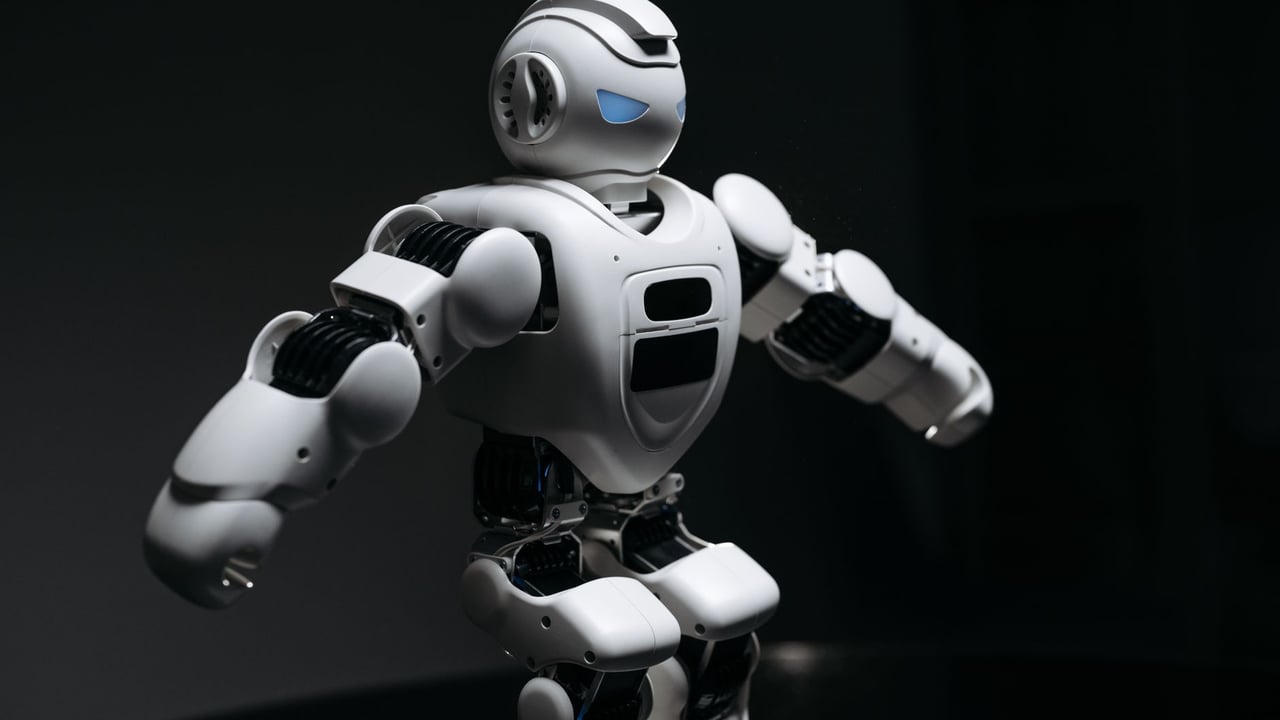

The race for embodied artificial intelligence has reached a critical milestone as Beijing-based innovators signal a definitive shift from prototypes to industrial-scale deployment. The Tiangong 3.0, a full-sized general-purpose humanoid robot, is now officially scheduled for mass production and delivery in the second half of 2026. This timeline places China at the forefront of the global scramble to integrate sophisticated AI 'brains' into versatile physical forms capable of navigating complex 3D environments.
Developed through a strategic partnership between the Beijing Humanoid Robot Innovation Center and Digua Robot, the Tiangong 3.0 will be powered by the Sunrise S600 chip, a high-performance processor designed specifically for embodied intelligence. The hardware is being optimized for applications across industrial manufacturing, commercial services, and high-precision labor. This development is driving a surge in the domestic supply chain, with companies like Qiaofeng Intelligence and Yi'an Technology pivoting toward specialized components such as robotic joints, actuators, and electronic skins.
While China accelerates its hardware output, the global semiconductor landscape is undergoing a parallel transformation driven by capacity constraints. Google has reportedly placed orders for over three million Tensor Processing Units (TPUs) with Intel, marking a significant move to secure a backup manufacturer as TSMC struggles to meet overwhelming demand. This shift underscores a broader industry trend where tech giants are diversifying their foundry dependencies to maintain the momentum of their AI model training and inference workloads.
Advancements in materials science are also emerging as the next bottleneck-breaker for high-performance computing. SK Group’s Absolics is accelerating the commercialization of semiconductor glass substrates, a technology that offers superior thermal stability and flatter surfaces compared to traditional organic materials. This pivot toward glass-based packaging, mirrored by research at Intel and TSMC, is expected to become the industry standard for AI and high-performance computing (HPC) by late 2028.
On the software front, China’s digital giants are aggressively rolling out AI Agent ecosystems to bridge the gap between large language models and practical consumer utility. Tencent has opened its WeChat AI ecosystem to developers, with JD.com and Ctrip among the first to integrate autonomous agents into their platforms. These 'Working Agents' represent the next evolution of the digital economy, moving beyond simple chatbots to entities capable of managing complex logistics, sales, and administrative tasks within existing social and commercial networks.