
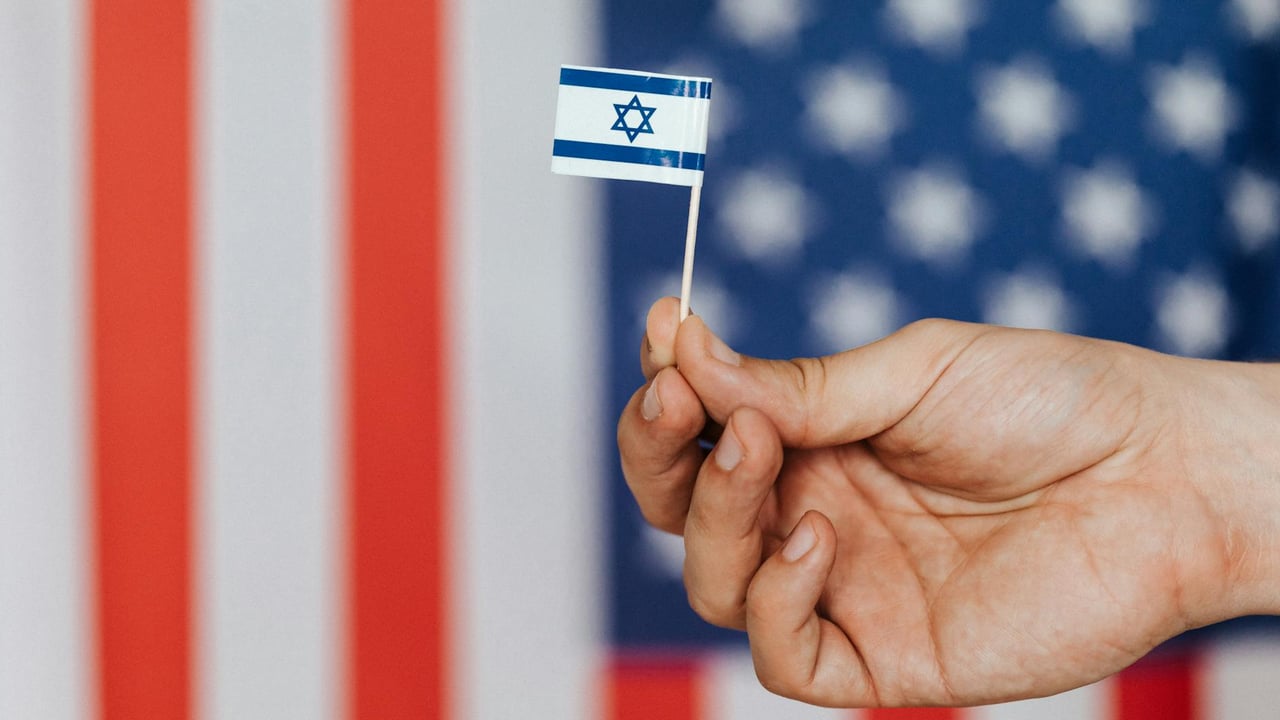

The traditional lockstep between Washington and Jerusalem is showing visible signs of strain as the Trump-Vance administration pursues a transactional 'Grand Bargain' with Tehran. Vice President J.D. Vance recently signaled a significant shift in American foreign policy, acknowledging that U.S. national interests regarding a potential Iranian nuclear deal may no longer align perfectly with those of Israel. This admission marks a departure from decades of diplomatic orthodoxy that prioritized a unified front against the Islamic Republic.
At the heart of this shift is President Trump’s renewed conviction that a long-term diplomatic resolution to the Iranian nuclear program is not only possible but necessary. By framing the negotiation as a pursuit of the 'best interests of the United States,' the administration is asserting a brand of realism that decouples American strategic goals from the security redlines of its regional allies. This approach suggests that the White House is willing to tolerate a degree of friction with the Netanyahu government to secure a deal that stabilizes the region.
The timing of these comments is particularly pointed, following a volatile cycle of Israeli airstrikes in Beirut and subsequent Iranian retaliation. While Israel remains committed to a strategy of 'maximum pressure' and military deterrence, Washington appears increasingly wary of being drawn into a broader regional conflagration. Vance’s rhetoric implies that the U.S. will no longer outsource its Middle East policy to Jerusalem, especially when the risk of escalation threatens to derail broader American domestic or international priorities.
When questioned on the risks of Iranian manipulation during these high-stakes negotiations, Vance’s response was characteristically blunt, describing the process as a mutual struggle for leverage. This perspective rejects the binary of 'winning' or 'losing' in favor of a cold-eyed assessment of advantage. It highlights a burgeoning doctrine where the objective is not the total capitulation of the adversary, but rather a stable equilibrium that allows the United States to reduce its footprint in the Middle East and focus resources elsewhere.