
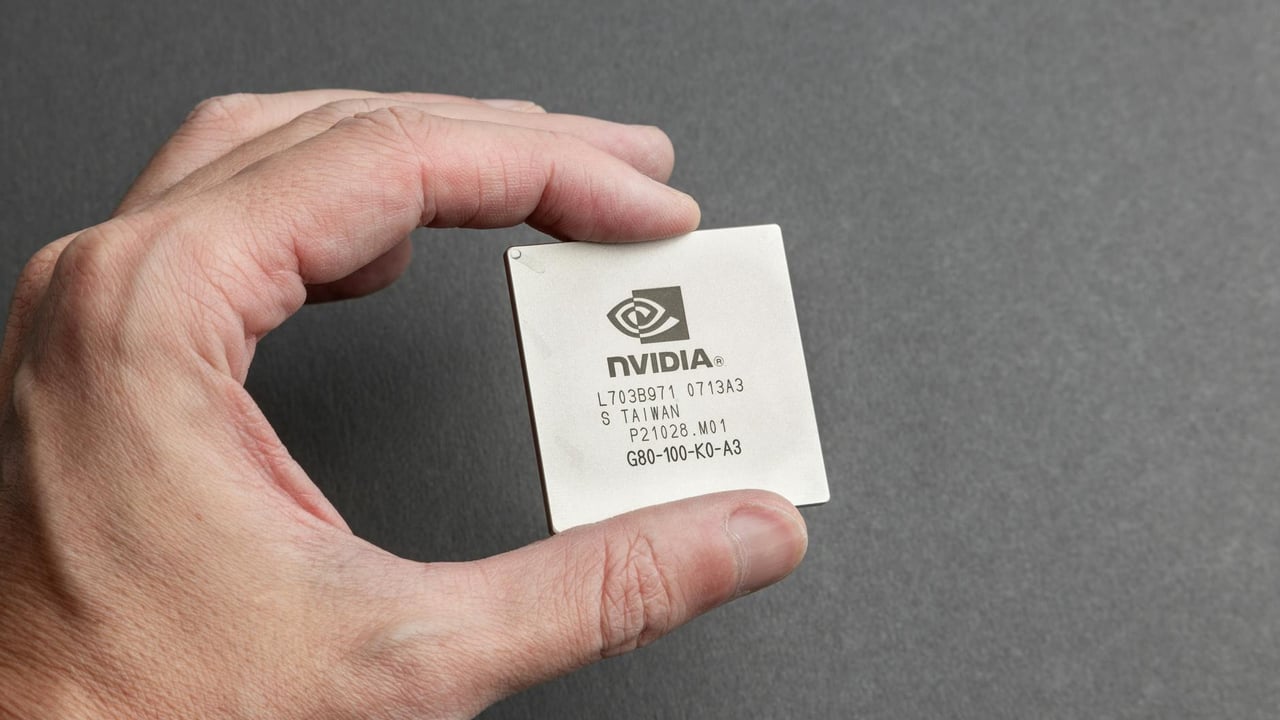

The semiconductor industry is bracing for a supply-side pivot as Nvidia reportedly moves to halve the memory capacity of its upcoming Vera Rubin Superchip modules. According to market research firm TrendForce, the decision to reduce the capacity of SOCAMM (System-on-Chip Attached Memory Modules) is not a sign of cooling demand for AI hardware. Instead, it is a strategic compromise forced by projected shortages in the global DRAM supply chain as production lines struggle to keep pace with the Silicon Valley giant’s relentless roadmap.
At the heart of the adjustment is the LPDDR5X memory standard, which is becoming a critical component for next-generation AI accelerators. Industry data suggests that memory manufacturers will face significant capacity constraints by early 2027, leaving Nvidia with a difficult choice: ship fewer high-capacity chips or ship more units with leaner specifications. By opting for the latter, Nvidia aims to maintain its aggressive market share and ensure that its hardware remains the primary architecture for global data centers, even if individual module specs are dialed back.
This architectural shift underscores a growing tension between the ambitions of AI chip designers and the physical realities of semiconductor fabrication. While Nvidia's demand for memory remains at record highs, the move to reduce per-unit capacity reflects a pragmatic approach to volume. TrendForce emphasizes that this is a "supply-led architecture compromise," meaning the overall consumption of memory across Nvidia's entire product line will likely remain stable or even grow as the total volume of modules shipped increases to compensate for the lower per-unit density.
For the broader market, this serves as a bellwether for the mid-term future of AI infrastructure. The persistent gap between LPDDR5X supply and demand highlights a structural challenge for the industry. As AI models grow more complex, the bottleneck is shifting from raw processing power to the availability of high-performance memory. Nvidia’s decision to prioritize volume over individual unit density suggests that in the coming years, the battle for AI dominance will be won through supply chain management and logistical agility as much as through engineering breakthroughs.