
# TrendForce
Latest news and articles about TrendForce
Total: 10 articles found
The LPDDR5X Bottleneck: Why Nvidia is Trimming its Next-Gen Vera Rubin Superchip
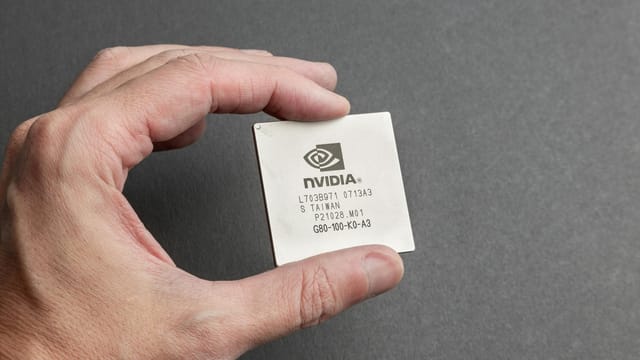
Nvidia has decided to halve the SOCAMM memory capacity for its next-generation Vera Rubin Superchip to mitigate projected supply shortages in the LPDDR5X market by 2027. This move is a strategic attempt to maintain high shipment volumes and market share despite significant manufacturing constraints in the DRAM sector.
Memory Fatigue: Surging Component Costs Forecast to Squeeze Global Smartphone Production by 2026
Rising memory chip costs are projected to drive a 16.2% decline in global smartphone production by 2026. As manufacturers exhaust low-cost inventories and face shrinking margins, the industry is entering a period of production adjustment and potential retail price hikes.

The Memory Squeeze: Rising Component Costs Threaten to Stall Global Smartphone Production
Global smartphone production is projected to plummet by 16.2% in 2026 as surging memory costs force manufacturers to scale back. While low-cost inventory buffered the market in Q1, the exhaustion of these stocks is expected to trigger a significant industry-wide recession starting in Q2.

The AI Ripple Effect: Global TV Shipments Rise on Strategic Stockpiling Amid Supply Fears
Global TV shipments reached 47.12 million units in Q1 2026, marking a 3.3% year-on-year increase. This growth was primarily driven by manufacturers stockpiling components to hedge against rising memory prices caused by the global AI server boom.
Beyond the Screen: How Micro LED is Becoming the Secret Backbone of AI Infrastructure
Micro LED technology is pivoting from consumer displays to AI data center infrastructure, with the CPO transceiver market projected to reach $848 million by 2030. Driven by generative AI demands, the technology offers superior energy efficiency and lower error rates than traditional copper or existing optical solutions.
DDR5 Price Softening Signals a Shift in the Global Memory Cycle
DDR5 memory prices have dropped by 1.29% to an average of $38.167, signaling a normalization of the high-speed DRAM market. This decline, affecting both DDR4 and DDR5, suggests that supply is catching up with demand as the industry moves past early adoption phases.
Micro‑LED 'Chip‑on‑Panel' Could Cut Data‑Centre Intra‑Rack Power to 5% of Copper, TrendForce Says
TrendForce says Micro‑LED chip‑on‑panel (CPO) interconnects could shrink intra‑rack transmission energy to about 5% of copper cabling, a change driven by surging bandwidth needs from generative AI. The technology promises big operational savings and higher port density but must overcome manufacturing, coupling and standardization hurdles before it can displace existing optical and copper solutions.

Panel Prices Turn Mixed: TV Panels Poised to Rise as Laptop Screens Come Under Pressure
TrendForce expects February 2026 TV panel prices to rise across most sizes, while laptop panels are likely to see price declines due to weak PC demand. The divergence stems from inventory and capacity shifts as panel makers prioritise large-screen TV production and face structural changes in the wider display market.

Memory Market Hits a 'Super Cycle' as Prices Surge and Chinese Suppliers Reap Windfall
From Q3 2025 a sharp rally in global memory prices has produced a 'super cycle' that propelled DRAM and NAND spot prices up more than 300% cumulatively. Chinese storage suppliers have reported improved earnings, and research houses forecast continued price gains into early 2026 driven by AI and datacentre demand, though cyclical risks and capacity responses could temper the upswing.

Global 8‑inch Wafer Market Tightens as Chip Giants Cut Capacity — China Fabs Cash In with Price Hikes
A supply squeeze in 8‑inch wafer manufacturing, driven by capacity cuts at TSMC and Samsung and growing AI‑era demand for power and analog chips, has pushed prices up by roughly 5–20%. Chinese mainland foundries including SMIC and Hua Hong are filling the gap, raising prices and running near full capacity, but the longer‑term migration to 12‑inch production continues to shape the market.