
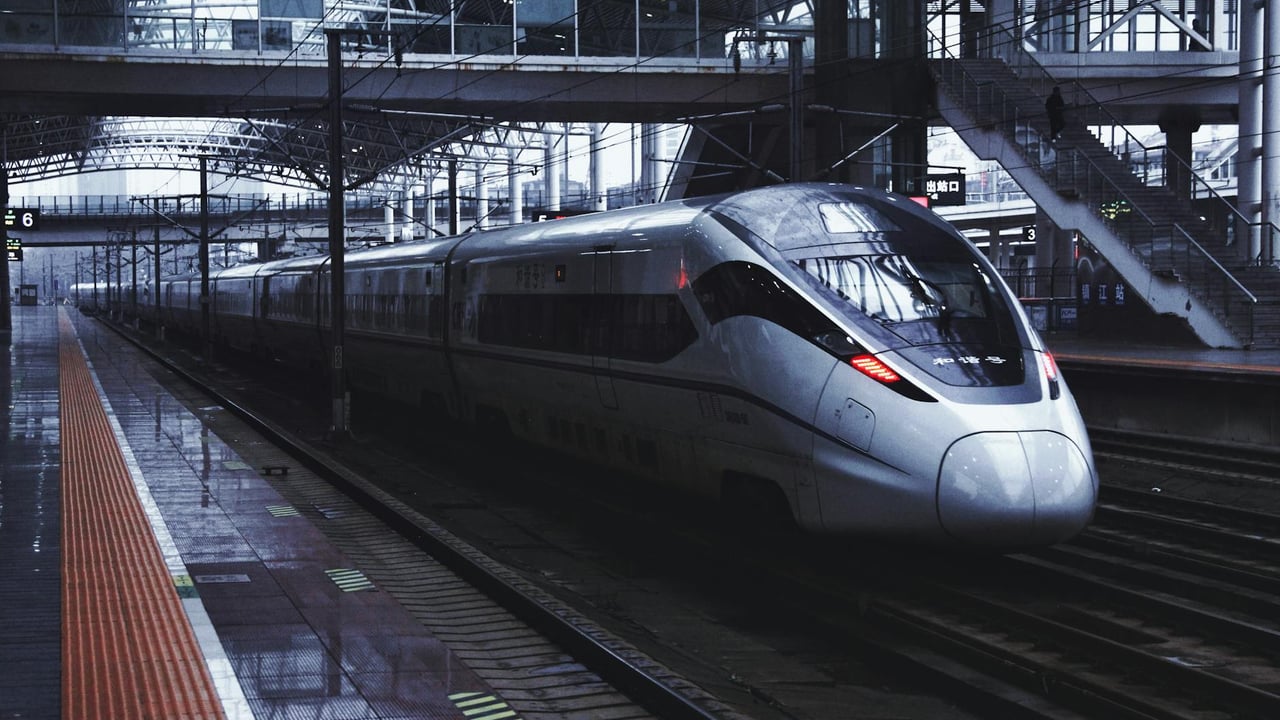

China is pivoting its massive railway infrastructure toward a more experiential economic model. A new policy framework, jointly issued by the Ministry of Commerce and seven other government agencies, outlines a strategic roadmap to integrate the nation’s rail network with its burgeoning tourism sector. The central goal is the deployment of more than 160 specialized tourism-dedicated train sets across the country by the end of the decade.
This initiative represents a significant shift from viewing rail purely as a transport utility to treating it as a premium service consumption platform. Beijing is actively courting social and private capital to fund the retrofitting of existing equipment and the manufacturing of new, high-quality rolling stock. The focus is on creating a diverse portfolio of offerings, ranging from short-haul excursions to luxury long-distance journeys, tailored to specific demographic niches such as the 'silver economy' for retirees, educational study tours for students, and wellness-focused retreats.
To enhance market appeal, the guidelines encourage railway operators to collaborate with high-profile intellectual properties (IPs) for cross-branded themed carriages. This strategy aims to replicate the success of international luxury rail models while scaling them for a mass-market audience. The policy also mandates the development of differentiated pricing and tiered discount systems, signaling a more market-oriented approach to rail operations that have traditionally been strictly state-controlled.
The broader economic objective is clear: stimulating domestic spending. As China’s traditional drivers of growth—such as the property sector—cool, the government is looking to 'service consumption' to pick up the slack. By leveraging the world's most extensive rail network, China hopes to unlock value in remote regions, providing a high-speed link between urban wealth and rural cultural assets, thereby revitalizing local economies through high-yield tourism.