China’s Regulatory Crackdown Hits CP Group Over Banned Preservatives in Pre-prepared Meat

Thai conglomerate CP Group is under fire after Chinese regulators found banned preservatives in its pre-prepared meat products. The incident highlights the company's failure to comply with new national food safety standards and underscores growing scrutiny of the 'yuzhicai' or pre-prepared food industry.

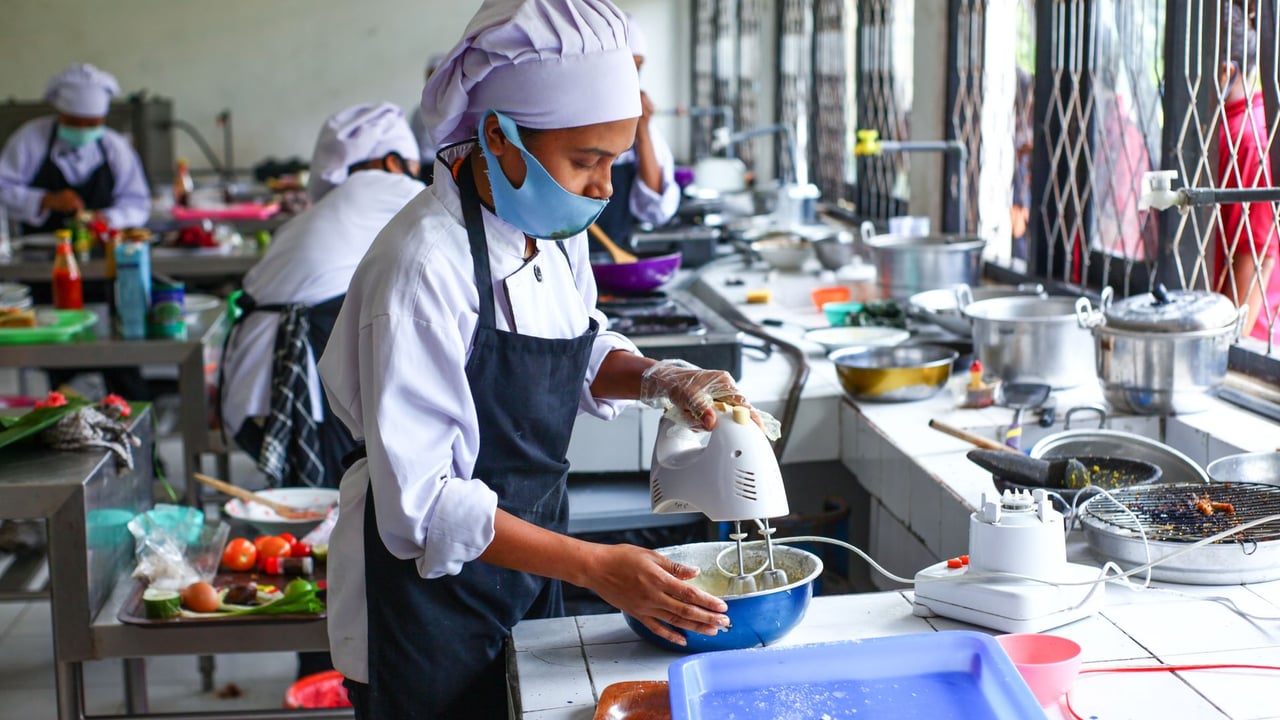
Culinary students in Indonesia learn food preparation techniques in a professional kitchen.

Key Takeaways

  • 1SAMR detected sodium dehydroacetate in CP Food's 'Sumi Crispy Pork,' a chemical banned in meat products since early 2025.
  • 2The detected levels and production dates indicate a clear violation of the revised GB 2760—2024 food safety standards.
  • 3Sodium dehydroacetate is being phased out in China due to health risks associated with liver, kidney, and nervous system damage.
  • 4CP Group has faced multiple past citations for pesticide residues and unauthorized additives, suggesting a recurring quality control issue.
  • 5The scandal comes at a critical time for the 'pre-prepared food' industry as it struggles to gain consumer trust amid stricter government oversight.

Editor's
Desk

Strategic Analysis

The targeting of CP Group—a massive, traditionally well-connected multinational—signals that China's market regulators are prioritizing food safety over corporate pedigree. This incident serves as a 'shot across the bow' for the pre-prepared food (yuzhicai) sector, which Beijing is promoting as a new economic driver but which remains a source of deep-seated public mistrust. By enforcing the ban on sodium dehydroacetate so strictly against a major player, the SAMR is demonstrating that the grace period for the 2025 standards has officially ended. For international food companies operating in China, this underscores the necessity of a highly localized and agile compliance strategy that can keep pace with some of the world's fastest-evolving food safety regulations.

China Daily Brief Editorial
Strategic Insight
China Daily Brief

A high-profile food safety scandal has hit Charoen Pokphand (CP) Food, one of the most prominent foreign-invested agribusinesses in China. The State Administration for Market Regulation (SAMR) recently issued a bulletin identifying a batch of CP's "Sumi Crispy Pork" that tested positive for sodium dehydroacetate. This preservative, while common in the past, was strictly banned for use in pre-prepared meat products under China’s updated food safety standards that took effect in February 2025.

The detection of the substance in products labeled for production in June 2025 suggests a significant lapse in regulatory compliance and internal quality control. Sodium dehydroacetate is a broad-spectrum preservative used to inhibit mold growth and extend shelf life. However, Chinese health authorities recently prohibited its use in several categories, including bread and pre-prepared meats, citing potential long-term risks to liver and kidney function, as well as the nervous system.

While CP Group’s official flagship stores have moved to delist the affected product, a fragmented response has seen the crispy pork remain available through various third-party vendors. The company’s public statement, which merely claimed that the matter is "under investigation," has done little to soothe consumer anxieties. This lack of transparency is particularly sensitive given the explosive growth of China’s pre-prepared food sector, which is currently undergoing a period of intense public and regulatory scrutiny regarding additives.

This incident is not an isolated blemish on CP Food’s record in the Chinese market. The company has faced previous penalties for excessive pesticide residues in vegetables and has seen its exported products questioned abroad for unauthorized food colorings. As China tightens its "General Standard for the Use of Food Additives" (GB 2760—2024), major industry players are finding that the era of lax oversight and "extended shelf life" at any cost is rapidly coming to an end.

Share Article

Related Articles

📰
No related articles found