Hormones and Hanfu: The High-Stakes Business of China’s ‘Male Dog’ Theater

China’s Gonggou Theater has achieved massive commercial success by targeting female consumers with a blend of male physical appeal and traditional culture, though it faces significant regulatory risks. Led by a former elite dancer, the troupe’s data-driven, 'light-asset' model has secured a 10% share of the national dance market while inviting scrutiny for its 'edge-pushing' content.

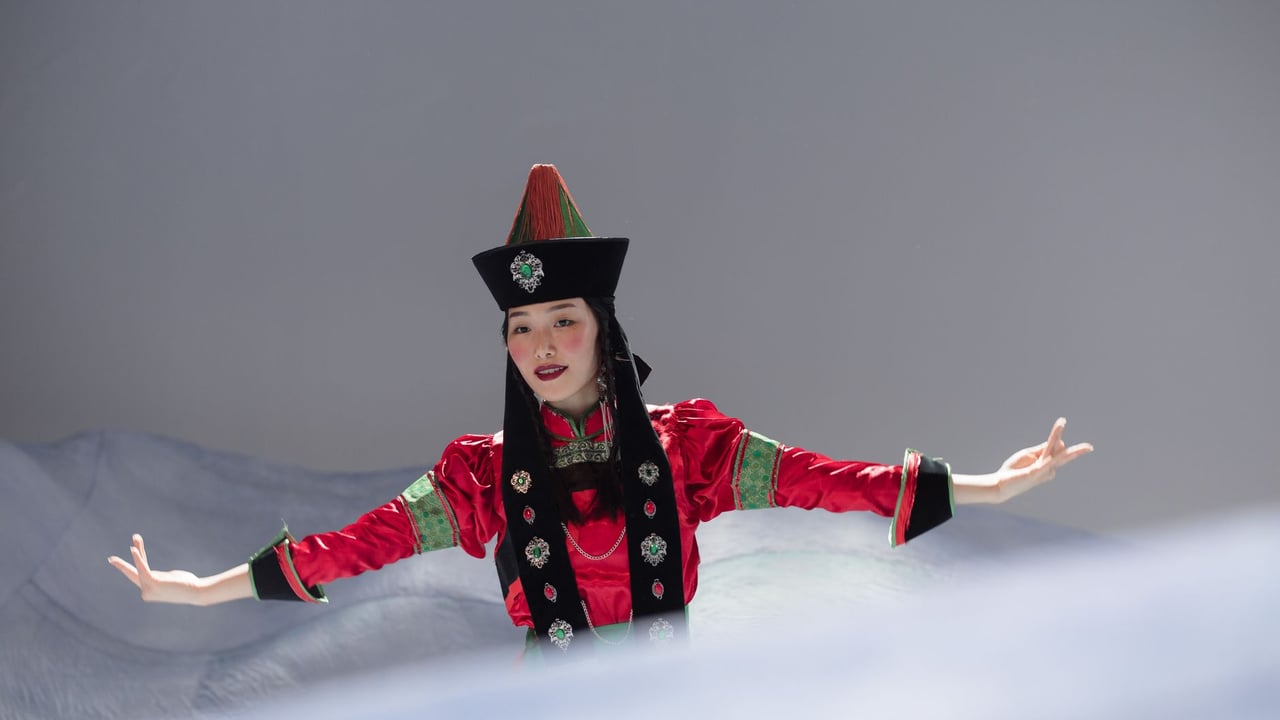
Asian woman in Mongolian traditional attire performing dance.

Key Takeaways

  • 1Gonggou Theater is projected to earn 200 million RMB in 2026, capturing roughly 10% of China's total dance market revenue.
  • 2The troupe utilizes a 'National Style' aesthetic to market male physical attractiveness to a predominantly female audience, a sector known as the 'She-Economy.'
  • 3Performers are subject to rigorous physical standards and are required to act as social media influencers to drive ticket sales.
  • 4Despite commercial success, the troupe faces the 'Sword of Damocles' in the form of potential crackdowns on 'ca bian' (vulgar) content by Chinese regulators.
  • 5Founder Ge Junyi transitioned from elite traditional dance to this commercial model to solve the chronic underpayment of professional dancers in China.

Editor's
Desk

Strategic Analysis

The success of Gonggou Theater is a quintessential study of the tension between China's burgeoning 'She-Economy' and its rigid regulatory environment. By commodifying the male form, Ge Junyi is exploiting a vacuum left by the 2021 crackdown on 'sissy' idol culture, but he is doing so with a pragmatic, almost defensive, focus on 'masculine' and 'traditional' imagery. This 'National Style' branding serves as a vital political insurance policy; by aligning with the state's push for cultural confidence, the troupe makes it harder for censors to label the show as purely Western decadence or vulgarity. However, as the 'She-Economy' evolves from purchasing products to purchasing 'emotional value' and 'hormonal experiences,' the troupe's reliance on physical intimacy and fan interaction puts it on a collision course with Beijing’s 'Clean Up' campaigns. For international observers, this represents a broader trend: in the 'new normal' of Chinese business, commercial genius consists not just of finding a market gap, but of finding a way to fill it while wearing a cultural suit of armor.

China Daily Brief Editorial
Strategic Insight
China Daily Brief

In the crowded landscape of China’s live entertainment sector, a provocative new phenomenon known as 'Gonggou Theater' (Male Dog Theater) is rewriting the rules of the 'She-Economy.' What began in 2019 as a struggling traditional modern dance troupe has transformed into a commercial juggernaut, projected to rake in over 200 million RMB ($27.5 million) in 2026. By pivoting from high-brow narrative dance to a high-octane blend of 'National Style' (guofeng) aesthetics and raw male physical appeal, the group has tapped into a goldmine of female consumer desire for emotional and visual stimulation.

The troupe’s strategy is as calculated as it is controversial. Their flagship production, 'Sighing in the Spring Breeze,' features tall, athletic men in traditional attire—specifically the 'Mamian' pleated skirt—engaging in high-energy, interactive performances that frequently involve the shedding of layers. This 'Hormone-Fueled National Style' has resulted in a staggering 98% occupancy rate and a 35% repeat purchase rate, figures that dwarf the performance metrics of traditional state-run dance troupes. Top performers now command monthly salaries of 100,000 RMB, a fortune compared to the pittance earned by traditional artists.

Founder Ge Junyi, a former protégé of the legendary dancer Yang Liping, defends the shift as a necessary evolution for survival in a market where traditional dancers often face poverty. By standardizing his performers—requiring a height of at least 180cm and body fat below 15%—Ge has created a 'male model' management system that treats dancers as influencers. Each performer must manage a social media presence where engagement metrics directly impact their compensation, creating a seamless loop between viral short videos and sold-out theater seats.

However, the troupe operates under a perpetual shadow of regulatory scrutiny. State media has already issued veiled warnings about 'edge-pushing' (ca bian) content, a term used for material that tests the boundaries of China’s strict morality and censorship laws. To insulate the business, Ge has cleverly wrapped the performances in the cloak of cultural heritage, using traditional music and attire to frame the displays of masculinity as a celebration of 'Eastern spirit.' Whether this 'patriotic shield' will be enough to protect the troupe from future crackdowns on 'vulgarity' remains the most pressing question for its investors.

Share Article

Related Articles

📰
No related articles found