
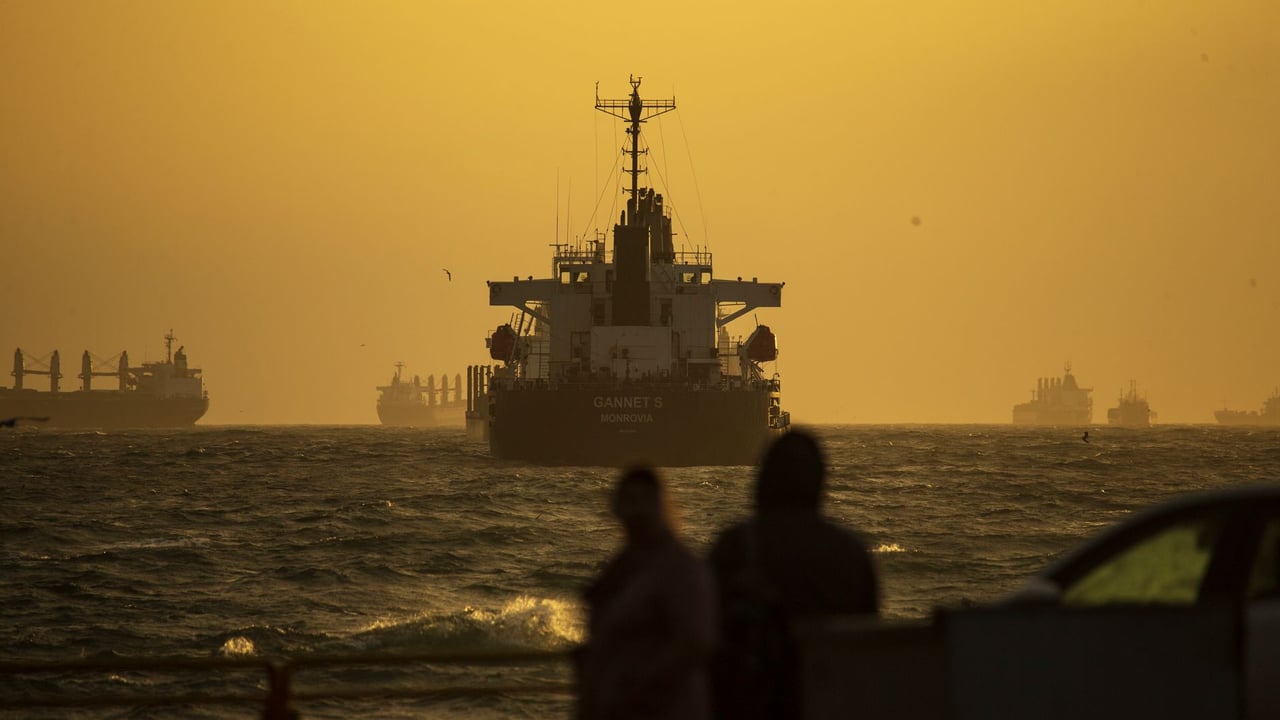

The global energy market faces a moment of acute tension following a declaration by the Islamic Revolutionary Guard Corps (IRGC) Navy that the Strait of Hormuz has been closed until further notice. This move, announced on June 11, is framed by Tehran as a direct response to what it characterizes as repeated American violations of a standing ceasefire agreement.
However, the reality on the water remains a subject of intense dispute between the two adversaries. Just hours before the Iranian announcement, U.S. Central Command (CENTCOM) issued a statement dismissing claims of a closure as false, asserting that commercial vessels were continuing to transit the vital waterway without interruption.
This discrepancy suggests a high-stakes game of psychological warfare and maritime brinkmanship. The Strait of Hormuz is the world’s most critical oil transit point, with nearly 20% of global petroleum consumption passing through its narrow waters daily, making any threat to its accessibility a matter of global economic security.
For Iran, the threat to shutter the strait is a recurring geopolitical lever, typically pulled when external diplomatic or military pressure reaches a boiling point. By targeting the flow of global trade, Tehran seeks to force concessions or demonstrate the cost of Western interference in its regional sphere of influence.
Whether the IRGC intends to enforce a physical blockade or is merely engaging in aggressive signaling remains to be seen. Any actual attempt to prevent the movement of merchant ships would likely trigger a massive military response from the U.S. and its allies, who maintain a robust naval presence in the Persian Gulf to guarantee the freedom of navigation.