
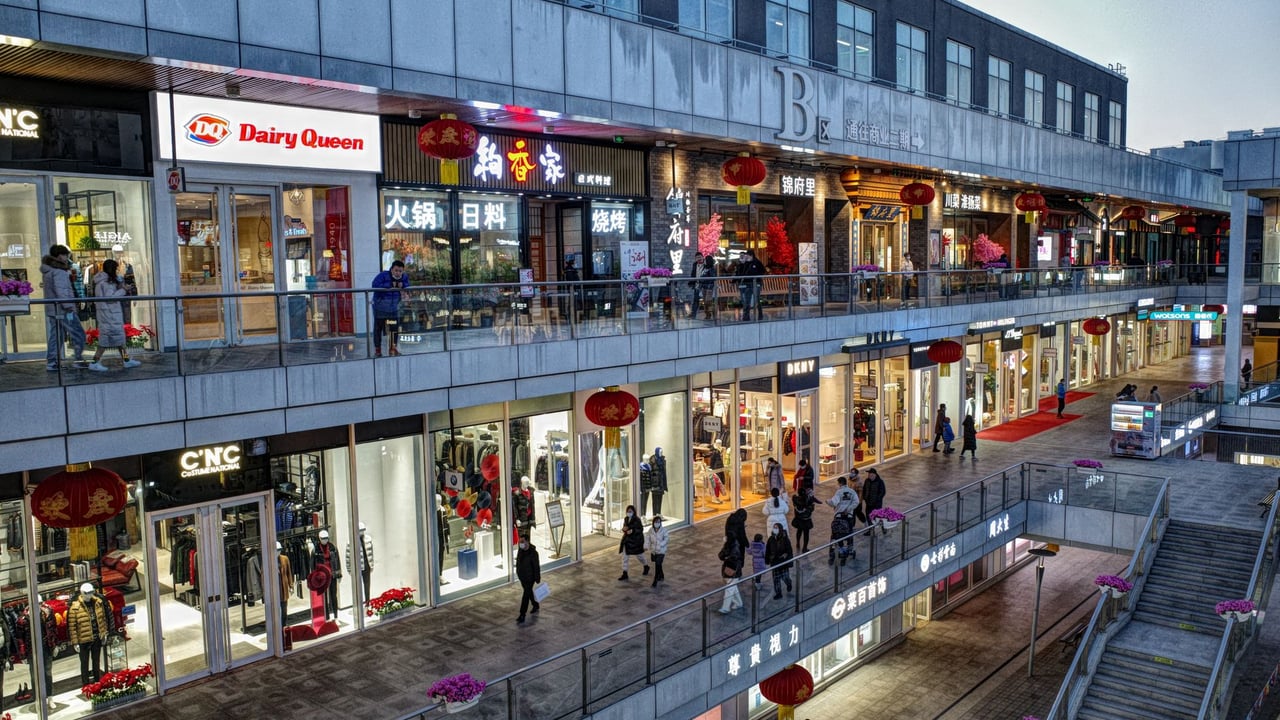

If you have recently waited three hours for a seat at Longge Buffet Hotpot or grabbed a pastry at Donggengdao, you have likely entered the expanding culinary map of Geng Yuanshan. While his name remains unfamiliar to the average diner, Geng is rapidly becoming the most influential 'invisible' player in China’s commercial real estate. Through his Bantianyao Group, he has built a multi-brand ecosystem that is systematically taking over the dining floors of shopping malls across the country.
Geng’s strategy is a masterclass in risk diversification and scale. Rather than relying on a single flagship brand, he oversees a portfolio of nine distinct culinary concepts ranging from Guizhou stir-fry to Italian casual dining. This approach allows his group to negotiate with landlords as a conglomerate, offering a 'bundle' of brands that can fill multiple vacancies simultaneously from the basement to the upper floors. This strategy provides developers with one-stop solutions for their tenant mix while securing prime locations for Geng’s brands at favorable rates.
Unlike the industry giant Haidilao, which leans heavily on internal incubation and high-end service, Geng adopts a model inspired by the sportswear giant Anta. He avoids the high-risk 'zero-to-one' phase of brand building, preferring to invest in or partner with existing brands that have already proven their profitability and operational maturity. By providing these smaller players with Bantianyao’s massive supply chain and digital infrastructure, he enables them to scale at a speed that was previously impossible for independent operators.
This aggressive expansion has been particularly successful in China’s 'lower-tier' cities—the third- and fourth-tier urban centers where consumer spending remains resilient but price sensitivity is high. Most of Geng's brands target a 'sweet spot' price range of 40 to 80 RMB ($6 to $11 USD). By focusing on cost-efficiency and high turnover, Bantianyao has managed to thrive during a period of economic recalibration that saw more premium competitors forced to shutter hundreds of locations.
However, the long-term viability of this 'brand platter' model faces the inevitable challenge of culinary fatigue. The Chinese dining market is notoriously fickle, with food trends shifting faster than almost any other consumer sector. Geng’s ultimate test will be proving that his centralized management and supply chain can sustain these brands once their initial novelty fades and their pandemic-era low-cost leases eventually expire.