Ink Across the Strait: Why Beijing is Reviving the Politics of Nostalgia

Zhang Guizhu, an 80-year-old resident of Xiamen, exemplifies the use of personal nostalgia and 'cross-strait family letters' to maintain cultural ties between mainland China and Taiwan. Her story highlights Beijing's strategic use of soft power to emphasize shared heritage amidst ongoing political and military tensions.

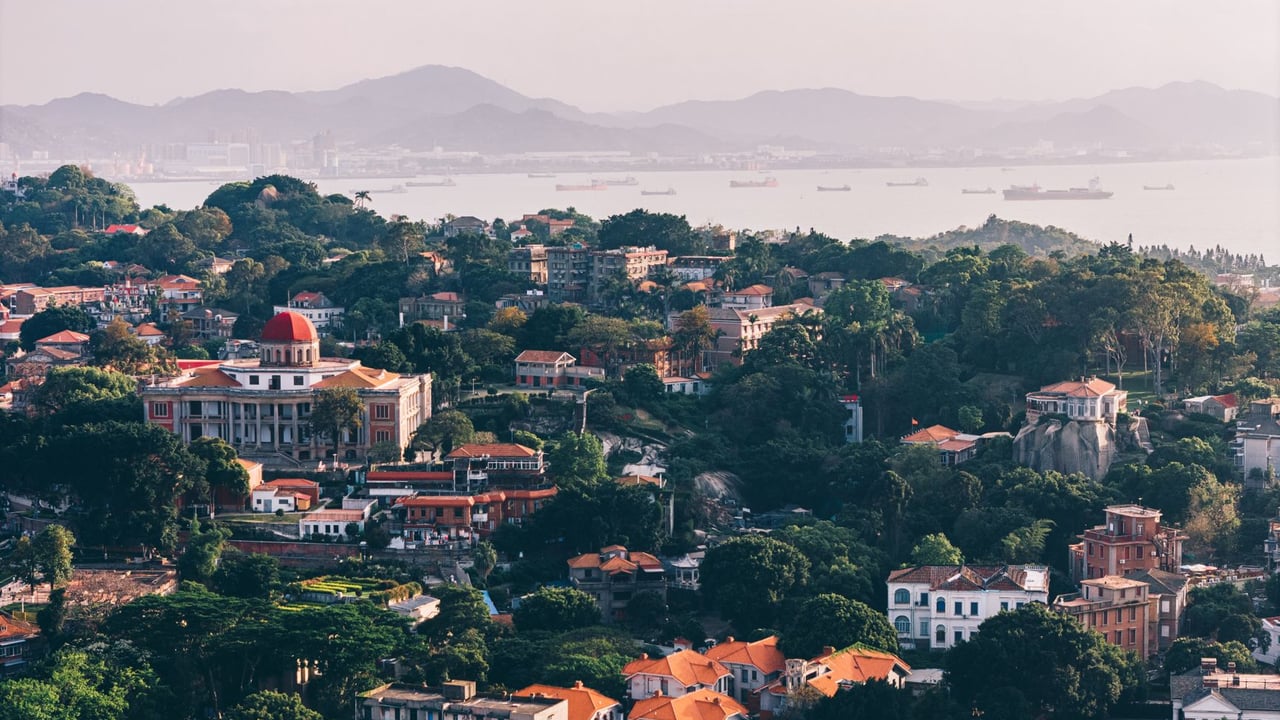
A stunning aerial view of Gulangyu Island with vibrant architecture and surrounding sea in Xiamen, China.

Key Takeaways

  • 1Xiamen continues to be the focal point for Beijing's cultural and social integration efforts toward Taiwan.
  • 2Personal narratives of elderly 'Taiwanese compatriots' are being leveraged to sustain the 'one family' narrative.
  • 3The 'family letter' (jiashu) remains a central symbol in Chinese efforts to emphasize common ancestry over political divergence.
  • 4There is an increasing disconnect between the nostalgia-based outreach and the shifting identity of younger generations in Taiwan.
  • 5Retired officials like Zhang Guizhu play a crucial role as informal ambassadors for cross-strait unity.

Editor's
Desk

Strategic Analysis

Beijing’s emphasis on 'nostalgia politics' serves as a strategic counterweight to its more aggressive military signaling. While the People’s Liberation Army conducts drills in the air and sea, the United Front Work Department operates on the level of the heart and mind, using figures like Zhang Guizhu to frame reunification as a natural, inevitable family reunion. This 'soft' approach is particularly vital in Xiamen, which is designated as a pilot zone for cross-strait integration. However, the long-term efficacy of this strategy is questionable; the 'shared memory' Beijing relies on is literally aging out. As the generation that experienced direct family separation passes away, the CCP will need more than yellowing letters to convince a skeptical Taiwanese public of the benefits of closer union.

China Daily Brief Editorial
Strategic Insight
China Daily Brief

For Zhang Guizhu, a retired cadre in the coastal hub of Xiamen, a single letter from across the Taiwan Strait is more than a relic of the past; it is the physical manifestation of a lifetime of longing. As an octogenarian and a former official at the Xiamen Federation of Taiwan Compatriots, Zhang has become a living bridge between two worlds that remain politically divided yet culturally inseparable. Her story, recently highlighted by state media, underscores the enduring power of personal history in the high-stakes arena of cross-strait relations.

Xiamen has long served as the primary laboratory for Beijing’s 'integrated development' policies, aiming to turn the city into a first-choice destination for Taiwanese residents. By elevating narratives like Zhang’s, the Chinese government seeks to pivot away from the harsh rhetoric of military drills toward a softer, more emotional appeal. The 'family letter' serves as a potent symbol of this strategy, reminding audiences on both sides of the water that bloodlines often run deeper than political borders.

However, this focus on nostalgia faces a significant demographic hurdle. While the older generation remembers a unified cultural identity, younger Taiwanese citizens increasingly identify as distinctly Taiwanese rather than Chinese. For Beijing, the challenge lies in translating the sentimental value of Zhang’s letters into a modern political reality that resonates with a generation that has no memory of the letters she describes.

Ultimately, the preservation of these cross-strait memories serves a dual purpose. For individuals like Zhang, it is an act of filial and historical duty. For the state, it is a necessary tool to maintain the narrative of 'one family,' ensuring that even as geopolitical tensions rise, the emotional ties that bind the mainland and Taiwan are not entirely severed.

Share Article

Related Articles

📰
No related articles found