
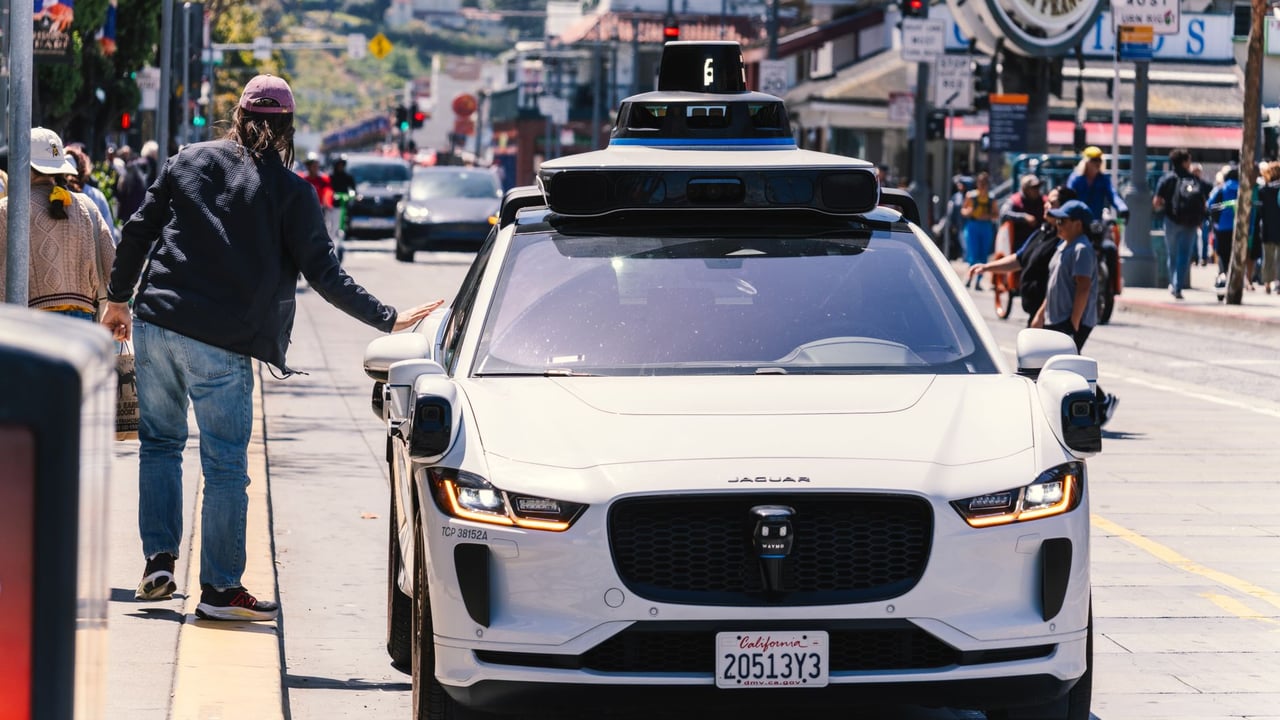

The landscape of Silicon Valley’s automotive ambitions shifted significantly this month as Waymo, the autonomous driving subsidiary of Alphabet, finalized the purchase of a sprawling 5,500-acre testing facility in Wittmann, Arizona. According to Maricopa County records, Waymo paid $220 million to acquire the site from a Delaware-based shell company linked to Apple. The transaction, completed on June 5, marks a massive expansion of Waymo's physical testing infrastructure at a time when its competitors are scaling back.
The facility is a high-tech playground for autonomous systems, featuring a 115-acre simulated urban environment, a 35-acre vehicle dynamics area, and a four-mile oval track designed for high-speed stress testing. Originally a Chrysler testing base, the site was purchased by Apple in 2021 for $125 million to serve as the clandestine headquarters for 'Project Titan,' the tech giant's multi-billion dollar attempt to build a self-driving electric vehicle. Apple’s decision to sell the land for nearly $100 million more than its purchase price suggests that while the car project failed, the infrastructure it built remains a premium asset.
For Apple, the sale represents the final liquidation of a decade-long odyssey that consumed billions of dollars and thousands of man-hours before being shuttered in early 2024. By offloading the Wittmann site, Apple is effectively closing the book on its dream of becoming a hardware manufacturer in the automotive space. The move signals a complete retreat to its core competencies in software and consumer electronics, leaving the 'software-defined vehicle' race to those with more persistent hardware strategies.
Conversely, Waymo’s acquisition highlights a strategy of consolidation and dominance. While the autonomous vehicle sector has faced a 'winter' that saw the collapse of Argo AI and the stagnation of several other startups, Waymo is doubling down on its physical R&D capabilities. This new facility will likely serve as a critical 'ground truth' environment where Waymo can simulate rare 'edge cases' and high-speed highway scenarios that are still too complex or dangerous to master on public roads without extensive private validation.