

The bustling aisles of the Caibai Department Store in Beijing’s Xicheng District serve as a high-stakes barometer for China’s retail sentiment. Following a sudden dip that saw international spot gold briefly retreat from historic highs, the store—affectionately known as the command center for 'Gold Damas'—experienced a surge in foot traffic. Even as prices climbed back to the 924 RMB per gram mark, the floors remained packed with buyers eager to capitalize on any perceived window of opportunity.
This localized frenzy reflects a broader national obsession with the precious metal as a hedge against economic uncertainty. While professional analysts warned of a 'head and shoulders' technical pattern that could signal a deeper correction, retail consumers focused on the immediate 'discount' compared to the previous week’s highs of 1,350 RMB per gram. For many, the volatility is not a deterrent but a signal to enter the market before the next inevitable climb.
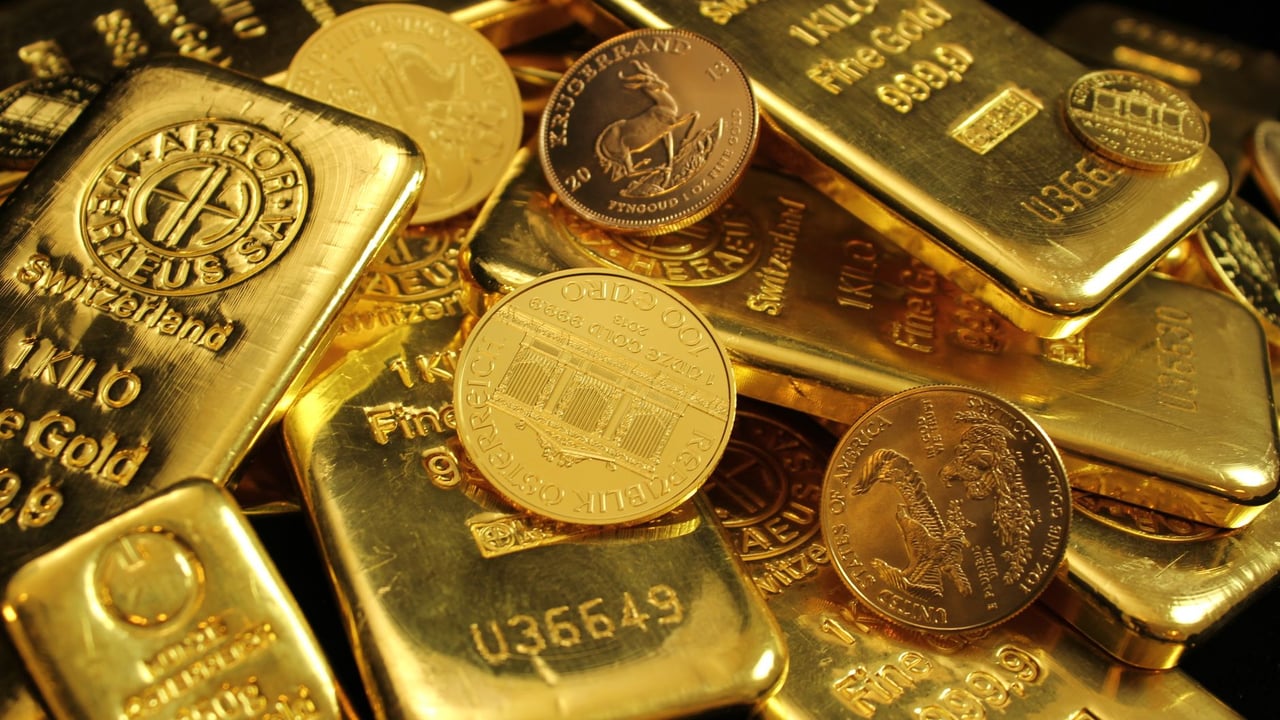
The demand is split between cultural necessity and pure speculation. In the wedding jewelry sections, older couples are seen purchasing heavy 88-gram necklaces, viewing the gold as an essential dowry and a store of family wealth rather than a liquid asset. Conversely, the fourth-floor investment counters tell a story of strategic accumulation, where small-denomination bars of 5 to 10 grams have reportedly sold out as middle-class investors seek portable 'ballast' for their portfolios.
Expert opinions remain divided on whether this 'bottom-fishing' is premature. While technical analysts point to a potential breach of the $4,000 per ounce support level as a sign of a looming bear market, academic voices highlight a more systemic shift. The trend of central banks diversifying away from the dollar suggests that gold is being repositioned from a simple inflation hedge to a foundational asset in a restructuring global monetary order.
Ultimately, the behavior at Caibai suggests that for the Chinese public, the 'emotional value' of gold remains high even when the investment logic is clouded. Whether it is a young professional 'averaging down' their costs online or a grandmother securing a wedding gift, the underlying belief remains the same: in an era of shifting sovereign debt and currency devaluation, physical gold is the only asset that truly feels permanent.