Alipay’s Intelligence Pivot: Ant Group Tests Radical AI-First Overhaul of China’s Financial Gatekeeper

Ant Group is secretly testing a 'native AI' version of its Alipay app, featuring a radical redesign that prioritizes generative AI interactions over traditional menu-based navigation. This strategic pivot aims to transform the financial super app into an intelligent agent for fund management and digital services.

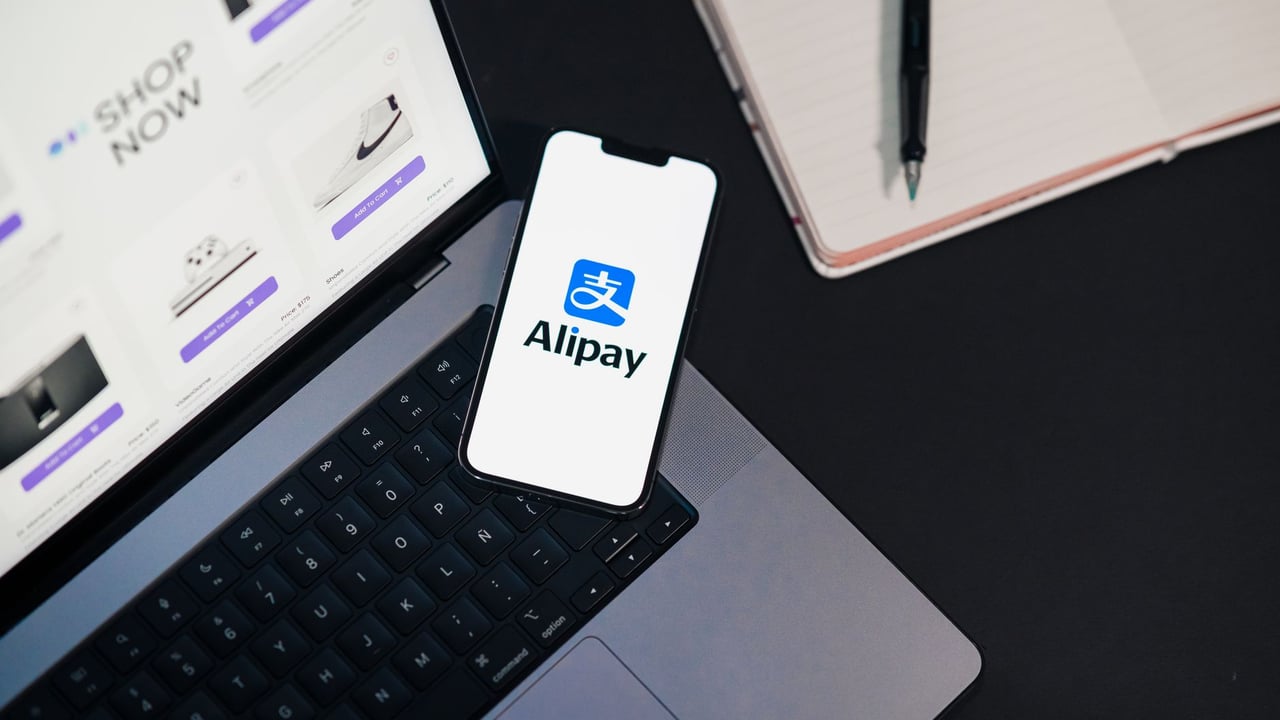
Smartphone displaying Alipay app on open laptop with online shopping site.

Key Takeaways

  • 1Ant Group is conducting internal testing of an AI-centric version of its flagship Alipay platform.
  • 2The new interface allows for a 'one-click' transition into a native AI environment, moving away from the traditional icon-based UI.
  • 3Initial focus areas for the AI version include intelligent fund management and automated service navigation.
  • 4Ant Group has officially declined to comment on the specific release date or technical specifications of the update.
  • 5The move signals a major strategic shift to keep Alipay competitive in the rapidly evolving generative AI landscape in China.

Editor's
Desk

Strategic Analysis

Ant Group’s decision to develop an 'AI-native' Alipay is a clear attempt to escape the 'utility trap' and reclaim its identity as a cutting-edge technology innovator. For years, Alipay’s success as a 'super app' led to an increasingly cluttered UI that risked alienating users; by shifting to a conversational or intent-based AI interface, Ant can simplify the user experience while collecting deeper data on user preferences. Strategically, this is about more than just convenience—it is about becoming the primary 'AI gatekeeper' for consumer finance in China. If Ant can successfully transition its 1.3 billion users from clicking buttons to conversing with an AI agent, it will set the standard for the next decade of fintech, making it nearly impossible for smaller competitors to catch up without similar LLM capabilities.

China Daily Brief Editorial
Strategic Insight
China Daily Brief

Ant Group is quietly developing a transformative version of its flagship Alipay app, signaling a fundamental shift from a service-centric ‘super app’ to an AI-driven financial ecosystem. According to industry insiders, the new version features a revolutionary user interface that allows customers to toggle into a native AI environment with a single click. This shift aims to replace the traditional grid of service icons with a generative AI interface that streamlines everything from daily payments to complex wealth management.

While the specific launch timeline remains under wraps, early indications suggest that the AI-powered Alipay focuses heavily on intelligent fund management and automated service routing. By leveraging large language models, the app intends to anticipate user needs rather than requiring manual navigation through its notoriously dense menu system. This move reflects a broader trend among Chinese tech titans to reinvent their core products as ‘AI Agents’ rather than mere platforms.

Ant Group has officially declined to comment on the development, maintaining the secrecy that often surrounds high-stakes product pivots in the Chinese tech sector. The stakes are particularly high for Ant as it seeks to redefine its value proposition in a post-restructuring era. Moving toward an AI-native interface is not merely a cosmetic update but a strategic play to maintain dominance in a market where generative AI is rapidly commoditizing traditional software functions.

This development comes as Alibaba-affiliated entities and rivals like Tencent and Baidu race to integrate large language models into the daily habits of China’s billion-plus internet users. For Alipay, which serves as a critical bridge between consumer finance and digital life, the successful integration of AI could serve as the ultimate defensive moat against emerging tech disruptors. The move suggests that the era of the ‘app as a directory’ is ending, replaced by the ‘app as an assistant.’

Share Article

Related Articles

📰
No related articles found