
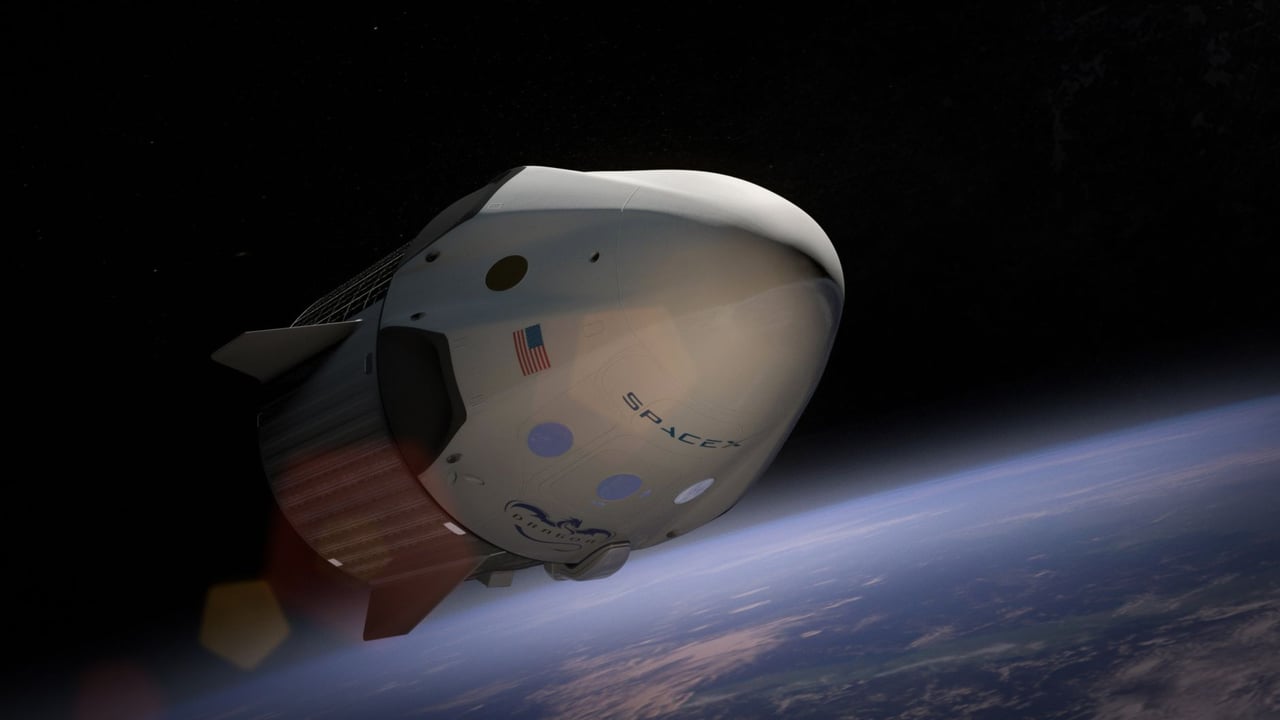

The Pentagon is signaling a radical shift in how it maintains a "god’s eye view" of the battlefield. A recent $4 billion agreement between the U.S. Air Force and SpaceX to develop a space-based tracking network suggests an aggressive pivot away from traditional airborne early warning and control (AEW&C) platforms. This move is not merely a technological upgrade; it represents a high-stakes strategic response to a growing capability gap in the Indo-Pacific.
For decades, the E-3 Sentry and E-2 Hawkeye were the undisputed masters of the sky, providing the surveillance necessary for air superiority. However, these platforms are increasingly viewed as relics of a bygone era. Critics argue that even the newer E-7 Wedgetail, while capable, may already be outmatched by the rapid pace of Chinese radar innovation, leaving the U.S. fleet in a precarious position against modern threats.
In contrast, China’s development of its "Kongjing" (KJ) series has reached a fever pitch. The emergence of the KJ-3000, reportedly equipped with next-generation digital array Gallium Nitride (GaN) radar, represents a formidable technological leap. These systems are designed to detect stealth aircraft at greater distances and orchestrate complex multi-domain operations, potentially placing Chinese sensors two generations ahead of current American airborne hardware.
The U.S. decision to invest heavily in space-based assets is a calculated attempt to bypass this atmospheric disadvantage. By placing radar sensors in orbit, the military aims to achieve persistent, 24-hour global surveillance that is less vulnerable to the long-range "carrier-killer" and anti-aircraft missiles that now threaten traditional AEW&C planes. Yet, the hurdles are immense, ranging from the massive power requirements of orbital radar to the logistical nightmare of maintaining such heavy satellites.
Ultimately, the race for information dominance is entering a new, more expensive phase. While China consolidates its lead in terrestrial and airborne radar technology, the United States is betting that the ultimate high ground—low earth orbit—will provide the decisive edge. Whether this orbital gambit can be realized before existing American capabilities are fully eclipsed remains the central question for the future of aerial warfare.