
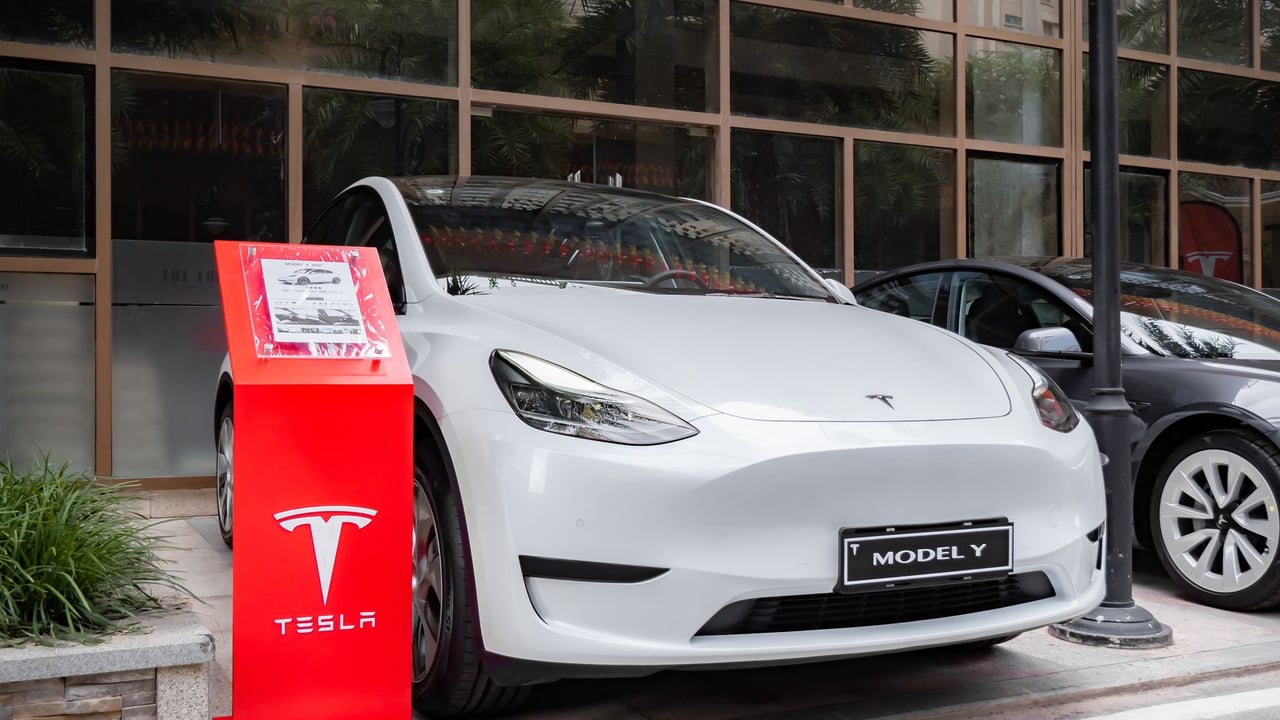

Li Auto, the Beijing-based premium electric vehicle manufacturer once known primarily for its family-centric SUVs, has signaled a bold transition into a full-stack AI powerhouse. At its 'Livis Day' event held on June 15, 2026, the company unveiled an aggressive roadmap for its Mach VLA (Vision-Language-Action) system. The stated goal is to achieve performance parity with Tesla’s FSD V14 by the fourth quarter of 2026, a move that places Li Auto at the forefront of the global autonomous driving race.
The technological centerpiece of this announcement was the Mach M100, Li Auto’s proprietary 5nm automotive-grade AI chip. Boasting a staggering 1280 TOPS (Tera Operations Per Second) of computing power and a high utilization rate of 82%, the silicon is designed to outperform high-end NVIDIA solutions currently favored by the industry. This vertical integration—designing the hardware specifically for its own neural networks—is a strategic pivot intended to reduce latency and maximize the efficiency of generative AI models within the vehicle.
Li Auto’s CEO, Li Xiang, characterized the current era of smart vehicles and smartphones as mere 'function-driven' devices rather than truly intelligent entities. By transitioning to a VLA architecture, Li Auto aims to move beyond rule-based programming toward embodied intelligence, where vehicles can perceive, reason, and act with human-like nuance. The company plans a phased rollout, beginning with an update to its AD Max models in the third quarter of 2026 before the final push for Tesla-level capability by year-end.
This shift comes at a critical juncture for the Chinese EV market, where competition has moved beyond battery range and luxury interiors toward 'Intelligence-in-the-Loop.' As Tesla prepares to deepen its FSD footprint within China, domestic champions like Li Auto are no longer content with being fast followers. By controlling the silicon, the software, and the data loop, Li Auto is betting that it can offer a localized driving experience that surpasses Western benchmarks in the complex urban environments of Tier-1 Chinese cities.