The Noodle-Slurping Billionaire: Lei Jun’s ‘Man of the People’ Branding in China’s Tech Heartland

Xiaomi founder Lei Jun combined street-side breakfast appearances with a keynote speech at the 2026 World Youth Development Forum in Wuhan to reinforce his grounded public image. The visit highlights his strategic use of personal branding to bridge the gap between high-tech ambition and local consumer culture while promoting Wuhan as a critical industrial hub.

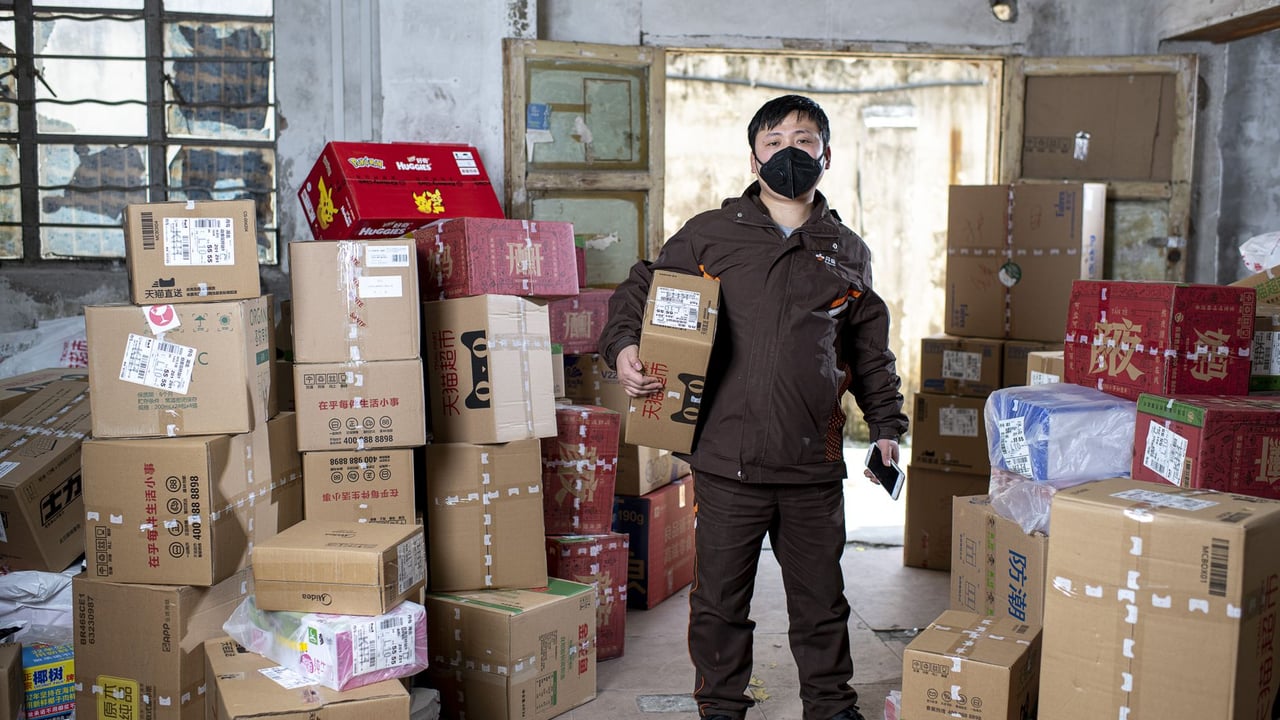
Delivery worker holding packages in a Wuhan warehouse, wearing a face mask.

Key Takeaways

  • 1Lei Jun engaged in a highly publicized 'guozao' breakfast in Wuhan, a traditional local custom used to project an accessible, 'man of the people' image.
  • 2The Xiaomi founder used his speech at the World Youth Development Forum to frame his 30-year entrepreneurial career as a model for Chinese youth and global tech ambition.
  • 3Wuhan was promoted as a 'world-class tech cluster,' signaling Xiaomi's continued reliance on the city's engineering talent and industrial infrastructure.
  • 4The visit included retail engagement and meetings with Xiaomi vehicle owners, showcasing the brand's pivot from smartphones to a holistic tech and automotive ecosystem.
  • 5Lei's personal brand serves as a strategic asset, humanizing the company amidst broader economic and regulatory pressures on the Chinese tech sector.

Editor's
Desk

Strategic Analysis

Lei Jun’s public appearances in Wuhan represent a sophisticated evolution of the ‘Founder-Influencer’ model. Unlike the more reclusive figures of China’s first tech wave, such as Tencent’s Ma Huateng or the now-quiet Jack Ma, Lei Jun has embraced a populist branding strategy that mirrors Elon Musk’s social media engagement but with a distinctly Chinese cultural flavor. By performing the ‘commoner’ ritual of eating street food while simultaneously advocating for global innovation at an international forum, he creates a narrative where massive corporate success is presented as being in harmony with, rather than at odds with, ordinary life. This 'grounded billionaire' trope is particularly effective in the current political climate, as it avoids the 'arrogant' pitfalls that led to the downfall of other tech moguls while maintaining the celebrity status needed to drive consumer loyalty for Xiaomi’s high-stakes entry into the electric vehicle market.

China Daily Brief Editorial
Strategic Insight
China Daily Brief

In the early morning hours of June 15, 2026, on a bustling street in Wuhan’s Wuchang district, a middle-aged man sat on a low plastic stool, hunched over a bowl of hot dry noodles. To the casual observer, he was just another local enjoying ‘guozao’—Wuhan’s storied breakfast ritual. To the crowds filming on their smartphones, however, he was Lei Jun, the billionaire founder of Xiaomi and the face of China’s high-tech manufacturing resurgence. This calculated display of humility is the cornerstone of Lei’s public persona, bridging the gap between elite corporate power and the common consumer.

Lei’s visit to Wuhan was more than a nostalgic food tour; it served as a high-profile keynote for the 2026 World Youth Development Forum. Speaking to an international audience, Lei recounted his thirty-year journey from a student at Wuhan University to the head of a global tech empire. His narrative, which emphasizes ‘dreaming big’ while remaining ‘grounded,’ echoes the state-sanctioned ‘Chinese Dream,’ positioning Xiaomi not just as a hardware company, but as a symbol of national upward mobility.

Beyond the forum, Lei’s presence in Wuhan highlighted the city’s evolving role as a secondary tech hub for China. By praising the city’s ‘complete industrial clusters’ and innovative atmosphere, he signaled a strategic alignment with Beijing’s push to distribute tech talent outside of the traditional Tier-1 hubs like Beijing and Shenzhen. This is particularly relevant as Xiaomi scales its automotive division, relying heavily on the sophisticated supply chains and engineering talent concentrated in the Yangtze River region.

While Western tech titans often project an image of untouchable eccentricity, Lei Jun’s ‘Uncle Lei’ branding relies on accessibility. From meeting with owners of his latest electric vehicles to engaging in street-side banter with school children, his marketing strategy humanizes a massive conglomerate. In an era where Chinese tech giants face intense regulatory and economic scrutiny, Lei’s ability to remain both a visionary leader and a relatable ‘native son’ is a masterclass in corporate survival and public relations.

Share Article

Related Articles

📰
No related articles found