
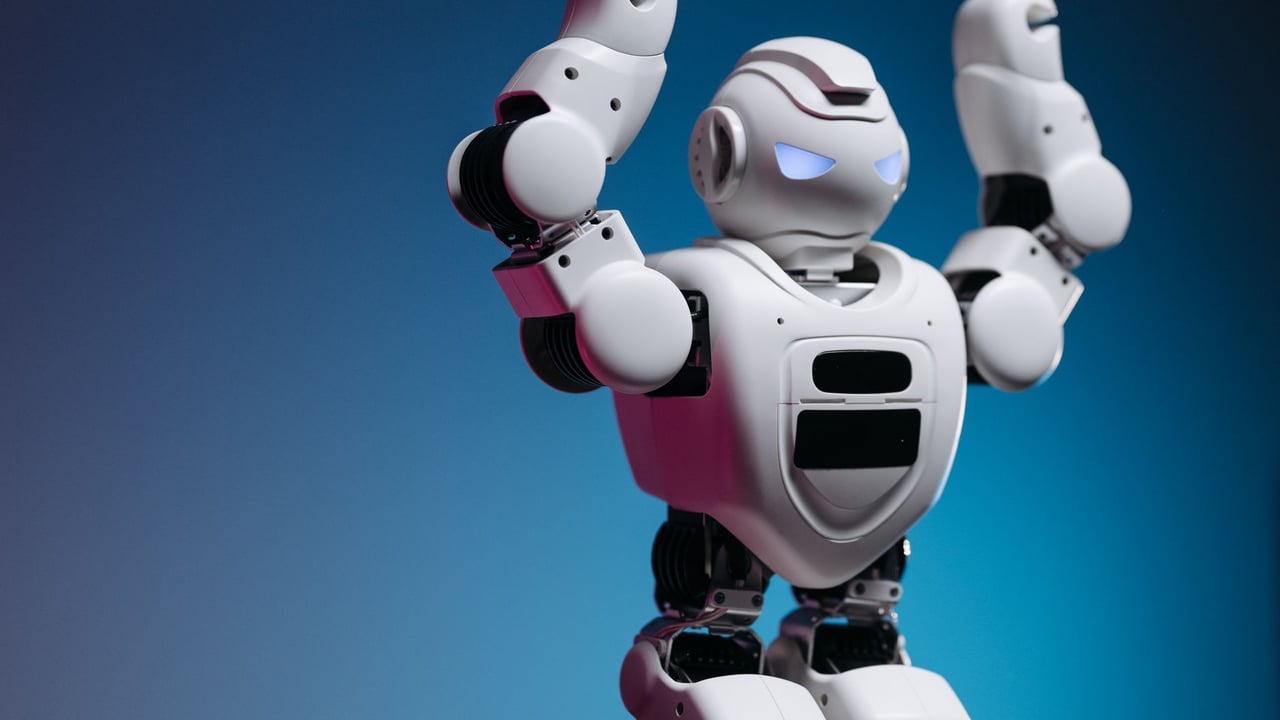

In a high-stakes demonstration of agility and autonomous processing, the Shanghai-based startup Agibot has unveiled its Yuanzheng A3 humanoid robot, marking a significant milestone in the global robotics race. On June 15, the company showcased the A3 performing unscripted, autonomous table tennis maneuvers, effectively countering balls traveling at speeds exceeding five meters per second. This feat represents the first time a full-sized bipedal robot has managed high-speed sports interaction without the aid of remote control or pre-programmed scripts.
The technical backbone of this achievement lies in the SpikePingpong algorithm, a joint development between Agibot and Peking University. By utilizing a 20kHz high-frequency pulse camera, the robot achieves millisecond-level perception, allowing it to track complex trajectories and spin variations that typically challenge human players. This level of sensory-motor integration allows the A3 to switch seamlessly between defensive blocks and offensive strikes, mimicking the fluid decision-making of a biological athlete.
While the sight of a robot playing ping-pong may seem like a novelty, the underlying implications for industrial automation are profound. Agibot has declared 2026 as the 'Year One of Deployment' for embodied intelligence, signaling a shift from experimental prototypes to scalable commercial hardware. The company reports that its cumulative shipments have already surpassed 10,000 units, with a strategic focus on integrating these machines into heavy-duty sectors such as logistics and high-precision industrial manufacturing.
This rapid iteration reflects a broader Chinese national priority to lead the third wave of AI, where digital intelligence is fused with physical movement. As international competitors like Tesla’s Optimus continue to refine their walking gaits, Agibot’s focus on high-speed reaction times suggests a push toward environments that require more than just steady movement. By mastering the micro-adjustments required for a game of table tennis, these robots are being conditioned for the chaotic and fast-paced environments of the modern smart factory.