
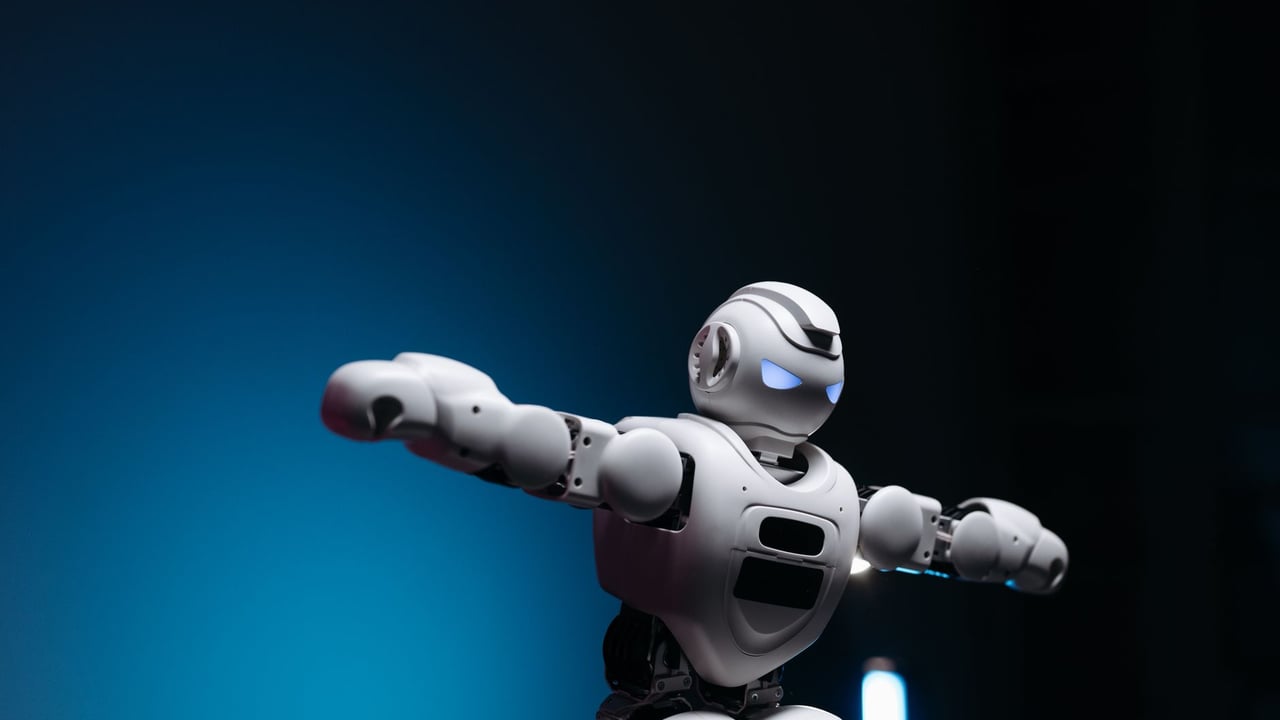

Alibaba has officially entered the race for physical intelligence with the release of the Qwen-Robot series, a comprehensive suite of AI models designed to give digital brains a physical presence. This 'trinity' of models marks the first time the Tongyi Qwen family has provided a full-stack solution for embodied AI, bridging the gap between abstract reasoning and real-world interaction.
The series is anchored by three specialized components: Qwen-RobotManip for precise manipulation, Qwen-RobotNav for complex navigation, and Qwen-RobotWorld, a 'world model' designed to help machines predict and understand physical environments. By segmenting these capabilities, Alibaba is positioning itself not just as a developer of LLMs, but as the foundational architect for the next generation of autonomous robotics.
While market reactions were mixed—with some Hong Kong-listed AI stocks surging while Alibaba’s own shares saw a slight dip—analysts view this as a pivotal move toward the commercialization of AI. The focus in the Chinese tech sector is rapidly shifting from computing infrastructure to 'AI application scenarios,' where large models are integrated into hardware to solve industrial and domestic challenges.
Investment institutions are currently tracking two primary lifelines in this sector: the hardware backbone of chips and servers, and the software-driven 'embodied' solutions that allow AI to move through the world. As technology iterations accelerate, the fusion of AI with physical hardware is expected to become the primary growth engine for China’s digital economy, potentially revitalizing the nation's manufacturing prowess through intelligent automation.