

China’s industrial engine is increasingly being fueled by renewable energy, as latest data from the National Bureau of Statistics reveals a significant acceleration in green power generation for May. Total electricity production rose 4.2% year-on-year to 784.3 billion kilowatt-hours, a growth rate that outpaced April’s performance. This uptick suggests a resilient underlying demand for power even as the country’s industrial composition undergoes a fundamental structural shift.
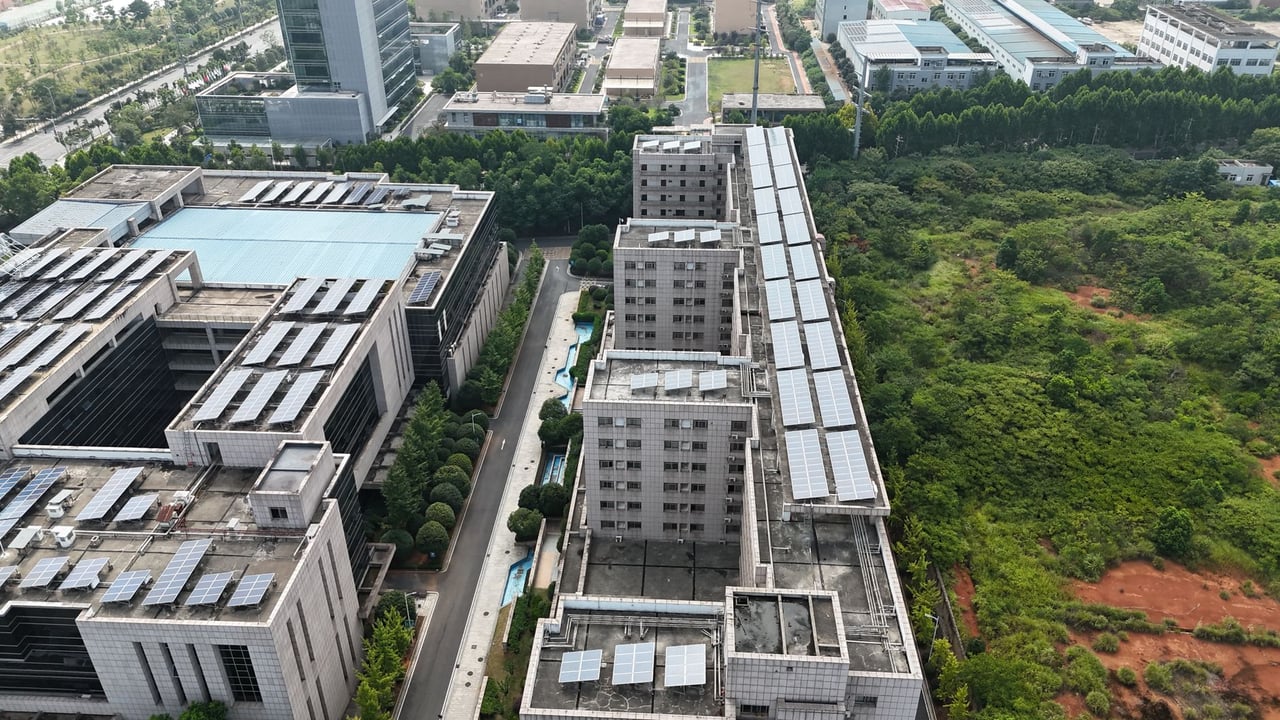
The most striking feature of the May report is the robust performance of clean energy sectors, with hydroelectric and solar power both recording double-digit growth. Hydroelectric output surged by 13.0%, while solar power generation accelerated by 12.1% compared to the previous year. Wind and nuclear power also reversed previous declines to return to positive territory, indicating that China's massive investments in non-fossil fuel infrastructure are now yielding consistent grid-scale results.
Conversely, traditional fossil fuels are showing signs of a cooling trend. Raw coal production fell by 1.7% in May, and the natural gas sector saw a 2.2% decline, a sharp reversal from its growth in the preceding month. Perhaps most tellingly, crude oil processing plummeted by 9.1% year-on-year. This contraction in refining activity points to a broader slowdown in traditional heavy industrial processing and potentially a shift in domestic fuel demand patterns.
This diverging performance between green and brown energy sources underscores the complexity of China's energy transition. While Beijing continues to prioritize energy security through high domestic coal output levels, the grid's ability to absorb record-breaking renewable capacity is clearly improving. The acceleration in total power generation despite a contraction in heavy refining suggests that the new economy—centered on high-tech manufacturing and digital infrastructure—is becoming the primary driver of electricity consumption.