
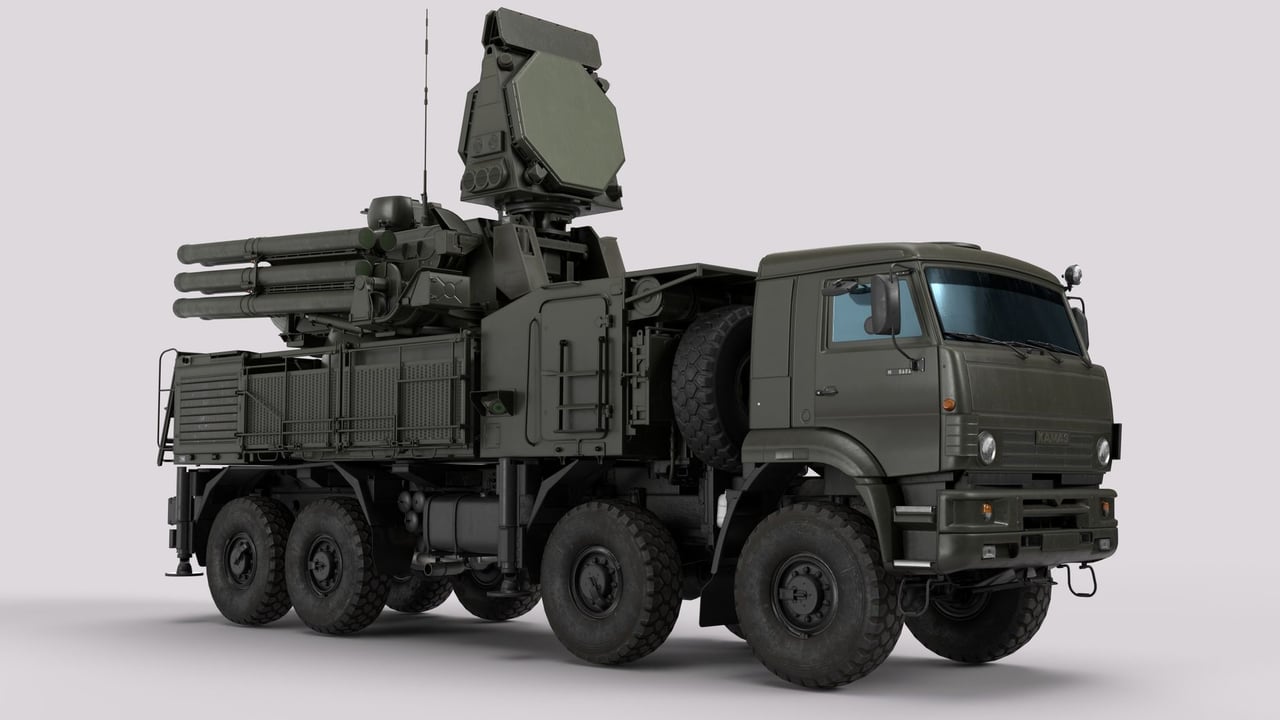

The People’s Liberation Army (PLA) Ground Force has achieved a significant tactical milestone with the successful live-fire testing of the HQ-16F surface-to-air missile system. According to military analyst Shao Yongling, this development marks the first time China’s land forces have possessed an indigenous, organic medium-to-long-range air defense and anti-missile capability. Historically, the Army relied on the Air Force for long-range protection, but this technological leap signals a shift toward greater branch autonomy and integrated theater operations.
The HQ-16 series, originally derived from Russian Buk technology, has undergone a radical transformation through successive iterations. While earlier models like the 16A and 16B served as the workhorses for point and area defense, the 'F' variant represents a sophisticated leap in range, sensor fusion, and interceptor speed. This evolution allows ground units to engage not only traditional aircraft but also high-speed cruise missiles and tactical ballistic threats that were previously outside the Army's independent reach.
This enhancement addresses a long-standing vulnerability in the PLA’s modular brigade structure. By integrating the HQ-16F into its organizational fabric, the Army can now project a defensive 'bubble' over its advancing formations without tethering its operational tempo to the availability of Air Force assets like the HQ-9 or S-400 systems. This decentralized air defense strategy is essential for surviving in the high-intensity, multi-domain environments envisioned by Beijing’s modern military doctrine.
Furthermore, the HQ-16F’s deployment suggests a maturation of China's domestic defense industry in miniaturizing advanced radar and propulsion systems. As the PLA continues to modernize, the ability to provide layered, redundant air defense across different service branches becomes a force multiplier. This move is likely to be viewed by regional neighbors and global competitors as a narrowing of the technological gap in theater-level missile defense, complicating the logic of aerial intervention in potential flashpoints.